An office filled with clutter is an office that’s never truly clean. We’ve found that many Sydney businesses focus on office cleaning sydney schedules and surface sanitisation, but overlook the single biggest obstacle to maintaining clean workspaces: unnecessary clutter. When desks are stacked with old documents, breakrooms overflow with duplicate equipment, and storage rooms become dumping grounds, even the best office deep clean can only do so much. This guide walks you through the five-zone decluttering method our team uses to help offices get genuinely clean—and stay that way.
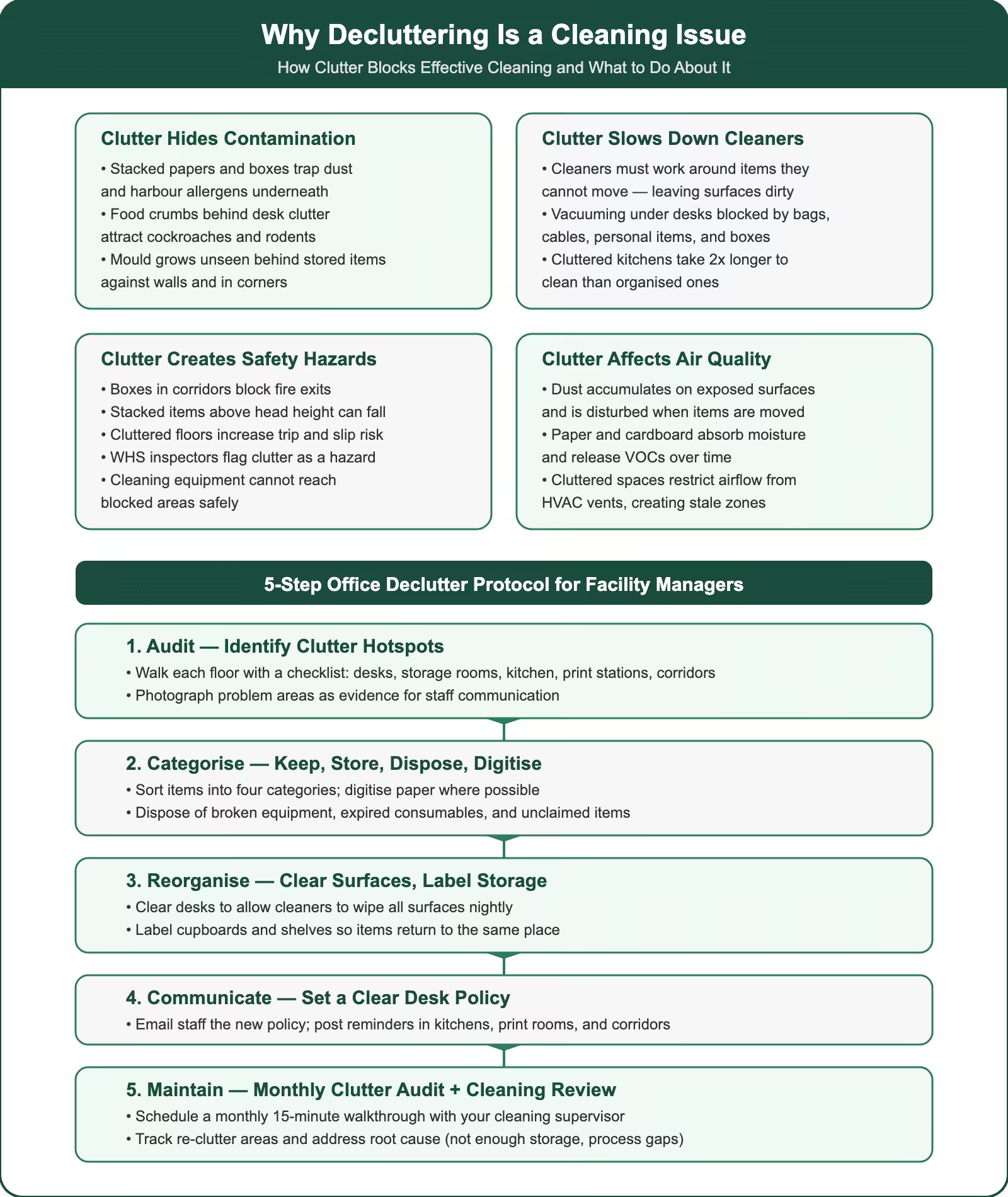
Why decluttering is a cleaning issue showing how clutter hides contamination, slows cleaners, creates safety hazards, affects air quality, and a 5-step declutter protocol
Why Decluttering Is a Cleaning Issue (Not Just an Organisational One)
Why Decluttering Is a Cleaning Issue (Not Just an Organisational One) covers specific protocols that we tailor to each facility based on its layout, traffic, and compliance requirements. Most office managers see decluttering as a task management problem. We see it differently. Clutter makes cleaning impossible.
In our experience working across Parramatta, Penrith, and the inner west, the offices with the dirtiest-looking workspaces are almost never the ones with poor cleaning standards—they’re the ones with too much stuff. A cluttered desk collects dust in places a cleaner can’t reach. A breakroom packed with old appliances and expired stock becomes a hygiene liability. Filing cabinets stacked to the ceiling create moisture traps where mould thrives. Our crews have found that removing unnecessary items often has a bigger visual impact than a standard clean.
Decluttering also directly affects cleaning frequency and cost. When there’s less to work around, our team can clean faster and more thoroughly. You’ll also need less deep cleaning overall because the space stays cleaner longer—fewer places for dust and bacteria to hide.
The 5-Zone Office Declutter Method
Our approach divides the office into five distinct zones, each with different decluttering priorities and rules. This method works because it treats each area separately, with specific cleaning and hygiene requirements.
Zone 1: Desks and Workstations
Desks are ground zero for clutter in most offices. We recommend a simple rule: nothing on the desk at end-of-day except the computer, phone, and one current project. Everything else—old files, personal items, cables, chargers, notepads, pens—goes into drawers or storage.
Why this matters for cleaning: Our crews can vacuum and wipe a clear desk in 30 seconds. A cluttered desk takes 3–5 minutes, and corners and gaps rarely get properly sanitised. Over a 50-desk office, that’s significant. We’ve found that workstations with clear surfaces report fewer pest issues and less dust accumulation between cleans.
Action steps for your team: Ask staff to clear desks each Friday afternoon. Provide filing trays for current projects. Archive documents older than 12 months (see our document disposal section below).
Zone 2: Common Areas and Breakrooms
Breakrooms are second only to kitchens as the dirtiest areas in most offices. Clutter makes them worse. Duplicate microwaves, old kettles, stacks of mugs, broken furniture, and forgotten snack boxes take up space and trap crumbs, spills, and bacteria.
In our experience, one breakroom item that gets heavy use is always cleaner than three that share the load. Fewer items mean faster sanitisation, quicker cleaning cycles, and a space that actually looks maintained. We recommend one microwave per 20 staff, one fridge per 15 staff, and one kettle per breakroom—and retiring anything unused for more than three months.
Seating and furniture should be inspected monthly. Damaged chairs and sofas trap food particles and harbour bacteria. Replace or remove them immediately.
Zone 3: Storage and Filing
Storage rooms become disaster zones when there’s no decluttering system. Boxes stacked without labels, old equipment taking up shelves, documents no one’s opened in five years—this all becomes a pest control problem.
Pests thrive in cluttered storage. Boxes block airflow and create dark spaces where insects nest. Papers provide food and shelter. Our teams have entered storage rooms so cluttered we couldn’t even access the walls for inspection.
Implement a simple system: label everything with the date it was added. Every 12 months, review each shelf. If the item hasn’t been accessed, photograph it and offer it to staff. If no one wants it, schedule it for disposal. Keep shelves at least 15cm clear from walls to prevent pest hiding spots.
Zone 4: Server Rooms and IT Equipment
Server rooms need special attention because they’re usually the most restricted access areas, which means clutter often builds up unseen. Old equipment, cables, boxes, and abandoned hardware create heat traps and collect dust that damages electronics.
We’ve found that server rooms are rarely on regular cleaning schedules because IT teams are worried about contaminating equipment. But a cluttered room actually presents more contamination risk—dust settles on inactive equipment and circulates through the room. Decluttering first means your facilities team can access and clean the space properly without disturbing IT operations.
Work with your IT team to remove decommissioned equipment quarterly. Keep proper cables labelled and coiled neatly to prevent tripping hazards and improve airflow.
Zone 5: Reception and Client-Facing Areas
Reception is your office’s first impression. Clutter here damages your brand more than any other space. Magazines from 2019, broken furniture, empty boxes, outdated signage—clients notice all of it.
In our experience, reception areas should contain only current magazines (no older than three months), one coat stand per 10 visitors, bins that are emptied daily, and plants that are maintained (wilted plants look worse than no plants). Keep everything minimal and clean.
E-Waste and Document Disposal Under NSW Regulations
When you declutter an office, you’ll face two major disposal categories: e-waste and documents. Both are regulated under NSW law, and improper disposal can land your business with significant fines. Under the WHS Act 2011 and SafeWork NSW Code of Practice for Managing the Work Environment and Facilities, employers must dispose of electronic waste and confidential documents through approved channels that protect both worker safety and data privacy.
E-Waste (Electronics): Old computers, monitors, printers, phones, and cables fall under Australia’s National Television and Computer Recycling Scheme (NTCRS). You cannot throw these in regular bins. Accredited recyclers will collect them and confirm data is securely wiped. Our crews work with approved e-waste partners across Sydney to maintain proper handling standards.
Documents and Data: If documents contain client information, staff details, financial records, or any personal data, they must be destroyed securely. This is required under the Privacy Act 1988. We recommend secure shredding services (certified by the Australian Information Security and Data Authority) rather than regular recycling. Most secure shredding companies in Sydney will collect boxes from your office and provide a certificate of destruction.
For general paper, cardboard, and office supplies, standard recycling is fine. Separate it clearly from sensitive documents to avoid mix-ups.
How Decluttering Improves Cleaning Outcomes: Before and After
How Decluttering Improves Cleaning Outcomes includes specific protocols that we tailor to each facility based on its layout, traffic, and compliance requirements. To show why decluttering matters, here’s what we typically observe when comparing cluttered versus decluttered spaces:
Metric
Cluttered Office
Decluttered Office
Time to clean a desk
5–8 minutes
1–2 minutes
Visible dust accumulation between cleans
High (3–5 days)
Low (7–10 days)
Pest activity reported
Regular (monthly)
Rare (quarterly or less)
Staff perception of cleanliness
Poor (average 2–3 out of 5)
Good (average 4–4.5 out of 5)
Cleaning cost per square metre
$15–20/m²
$8–12/m²
Mould/moisture issues
Frequent
Rare
These figures come from our experience cleaning across the Sydney CBD, Chatswood, and Wollongong. In every case, offices that committed to decluttering saw immediate improvements in all metrics.
Office Declutter Checklist
Use this monthly checklist to keep your office clutter-free:
Clear all desks of unnecessary items by Friday end-of-day
Remove old magazines from reception (keep only current month + one previous month)
Inspect breakroom equipment; retire anything unused for 30+ days
Review filing cabinets and storage shelves; archive or dispose of documents older than 7 years (unless legally required to retain)
Photograph and offer to staff any items in storage marked for removal
Empty and inspect all bins (liners may trap spills and odours)
Remove any furniture with visible damage or stains
Check server room for decommissioned equipment and arrange collection with IT
Inspect windows and sills for accumulated items; remove immediately
Schedule secure document shredding if holding sensitive papers
How We Help Sydney Offices Declutter
Our team doesn’t just clean offices—we advise on decluttering as part of a complete cleaning strategy. When we conduct initial site surveys in areas like Parramatta, the Rocks, Alexandria, and inner west suburbs, we always assess clutter levels and provide a decluttering recommendation as part of the proposal.
Many of our clients ask us to conduct a pre-deep-clean decluttering session. We’ll work with your team to remove clearly unwanted items, archive old documents, and organise storage. This preparation phase often reduces the cost of the subsequent deep clean by 20–30% because our crews spend less time working around obstacles.
We also provide ongoing decluttering audits—checking in monthly to maintain high standards and addressing any buildup before it becomes a cleaning problem.
Ready to get your office genuinely clean? The journey starts with clearing the clutter. Once your space is decluttered, we’ll help you maintain it. And when you’re ready to set clear standards for how your team maintains cleanliness, our seasonal cleaning guide is a great next step.
Frequently Asked Questions
What should I do with office furniture that’s still usable but unwanted?
Offer it first to staff via email with a deadline (usually one week). If no one claims it, contact local community organisations, schools, or charities. In Sydney, groups like SecondBite and Vinnies accept office furniture. As a last resort, contact your local council for bulk collection options. Avoid dumping items in skips without checking if they’re recyclable—many councils fine businesses for improper disposal.
How often should we do a full office declutter?
We recommend a full declutter every 12 months, with monthly spot checks using our checklist. Some offices do twice-yearly declutters if they move through items or equipment quickly. The key is consistency—small monthly efforts prevent the need for disruptive, large-scale clean-outs.
Can your team help us dispose of sensitive documents?
We don’t perform shredding directly, but we work with certified secure document destruction companies across Sydney. We can coordinate collection and provide you with a destruction certificate for compliance records. This is required if your documents contain personal information protected under the Privacy Act 1988.
Do I need to get staff approval before removing items from their desks?
Yes—we always recommend giving staff at least 48 hours’ notice before any desk declutter. Send a clear email explaining what will be cleared (usually anything left on desks after-hours on a Friday). Most staff will tidy their own spaces rather than have someone else touch their belongings. This also improves buy-in and reduces complaints.
What’s the safest way to store items temporarily during decluttering?
Use labelled boxes in a neutral area (not blocking exits or common spaces) with a clear deadline for removal—usually two weeks. Place a sign explaining the timeline. After the deadline, offer unclaimed items to staff again, then schedule disposal. This prevents items sitting in limbo indefinitely and creating new clutter.
About Clean Group
Clean Group is a leading commercial cleaning company in Sydney, providing professional cleaning services to offices, strata buildings, medical facilities, schools, gyms, and retail spaces across the greater Sydney region. With over 25 years of experience and a commitment to WHS compliance, eco-friendly practices, and consistent quality, Clean Group delivers tailored cleaning solutions backed by a 100% satisfaction guarantee.
Hi, I'm Suji Siv, the founder, CEO, and Managing Director of Clean Group, bringing over 25 years of leadership and management experience to the company. As the driving force behind Clean Group’s growth, I oversee strategic planning, resource allocation, and operational excellence across all departments. I am deeply involved in team development and performance optimization through regular reviews and hands-on leadership.