Australian offices face different contamination risks and cleaning demands depending on the season. Whether you’re managing an office in Parramatta, North Sydney, or across greater Sydney, your office cleaners strategy needs to adapt throughout the year. We’ve found that businesses that adjust their cleaning schedules seasonally see better air quality, fewer illness outbreaks among staff, and improved facility appearance year-round.
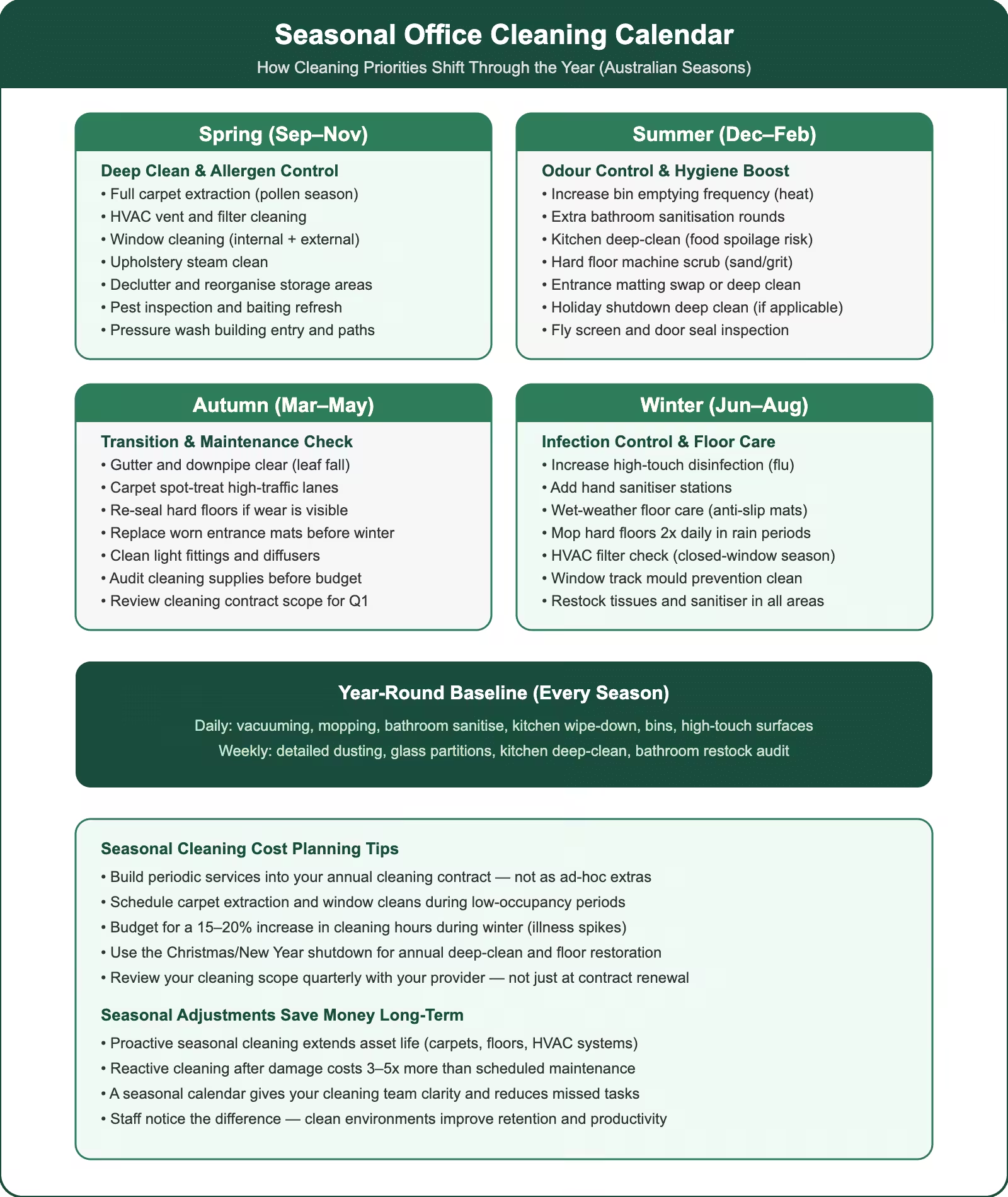
Seasonal office cleaning calendar for Australian offices showing spring deep clean, summer hygiene boost, autumn maintenance, and winter infection control priorities
Why Office Cleaning Needs Change With the Seasons
Different seasons bring different cleaning challenges. Spring introduces pollen and allergen loads that spike respiratory complaints. Summer humidity accelerates mould growth and requires enhanced moisture control. Autumn brings leaf debris and the start of flu season transmission. Winter combines reduced natural daylight with higher concentrations of people indoors, intensifying viral spread.
In our experience, offices that follow season-specific cleaning protocols report lower absenteeism rates and better employee satisfaction scores. SafeWork NSW guidance emphasises that workplaces must maintain hygiene standards appropriate to occupational hazards, which shift with the seasons. The financial impact is measurable: Australian workplaces lose billions annually to illness-related absenteeism, and strategic seasonal cleaning directly reduces this loss.
Spring Office Cleaning — September to November
Pollen and Allergen Management
Spring pollen counts reach their peak in Sydney from September through November. We’ve found that high-frequency HEPA filter changes and air duct cleaning reduce allergen-related complaints by up to 40% during this period. Windows and window frames accumulate significant pollen deposits—these require weekly or bi-weekly external cleaning to prevent pollen from being redistributed inside when windows are opened.
Carpets and soft furnishings act as pollen reservoirs. Spring is the time to schedule deep carpet cleaning with hot-water extraction methods that align with AS/NZS standards for hygiene. Entrance mats should be cleaned or replaced weekly to prevent pollen tracking into main work areas. Our team recommends HEPA-filtration vacuums rather than standard models—these capture fine pollen particles that standard vacuums recirculate into office air.
Post-Winter Deep Clean
After winter’s reduced ventilation and increased occupancy density, offices need a thorough reset. Ceiling vents, light fittings, and baseboards accumulate winter dust and debris. Our team schedules wall-to-ceiling deep cleans at the start of spring—this includes blinds cleaning, high-wall dusting, and disinfection of air conditioning vents. In our experience, spring deep cleaning removes accumulated winter grime that regular maintenance misses throughout colder months.
Spring cleaning also addresses winter moisture damage. Damp corners and potential mould spots must be identified and treated with appropriate antimicrobial products before they spread during warmer weather. The WHS Act 2011 requires workplace assessments for biological hazards—mould growth is a documented occupational hazard that spring cleaning protocols directly address.
Summer Office Cleaning — December to February
Heat and Humidity Challenges
Summer Office Cleaning — December to February requires specific protocols that we tailor to each facility based on its layout, traffic, and compliance requirements. Australian summer heat and humidity create ideal conditions for mould, mildew, and bacterial growth. Sydney offices in high-humidity zones like coastal suburbs experience accelerated biofilm formation on walls and ceilings. We’ve found that increasing cleaning frequency to twice-weekly for bathrooms and reducing HVAC temperature fluctuations significantly helps prevent moisture-related contamination. During peak summer (January), some high-humidity offices require daily bathroom disinfection.
High-touch surfaces become breeding grounds in summer heat. Door handles, light switches, and lift buttons should be sanitised at minimum daily, with best practice being twice daily during peak humidity months. Regular microcloth disinfection protocols are critical under WHS Act 2011 requirements for safe workplaces. Humidity monitoring in offices helps facilities managers understand when moisture levels pose infection risks—readings above 60% relative humidity significantly increase mould risk.
Holiday Period Deep Cleaning
Many Australian offices close or run skeleton crews during January and early February. This holiday period is ideal for time-intensive deep cleaning projects: carpet steam cleaning, floor polishing, high-wall sanitisation, and window cleaning. We schedule these projects during holiday shutdowns to avoid operational disruptions and so the work gets the focus it deserves. In our experience, holiday-period deep cleaning projects deliver superior results because crews have uninterrupted access to all office areas.
Offices reopening after extended closures need air circulation and surface refresh protocols. Stagnant air from closed offices can harbour contaminants—bacterial colonies and fungal spores accumulate on dormant surfaces. Opening windows, running HVAC systems for 2-3 hours before staff return, and completing a full surface wipe-down are critical reopening steps documented in SafeWork NSW guidelines for workplace safety.
Autumn Office Cleaning — March to May
Flu Season Preparation
Autumn Office Cleaning — March to May includes specific protocols that we tailor to each facility based on its layout, traffic, and compliance requirements. Autumn marks the beginning of respiratory illness season in the Southern Hemisphere. We begin intensified protocols in March to prepare offices for the viral transmission that peaks June through August. High-touch surfaces in communal areas—kitchen benches, door handles, photocopier buttons, lift control panels—require disinfection at least twice daily during March through May. This preparation phase prevents peak-season overwhelm.
In our experience, offices that implement autumn flu-prep cleaning see 20-30% fewer staff illness reports during winter months. This includes training cleaning staff on proper disinfection contact times (typically 10-15 minutes for quaternary ammonium products) and maintaining compliance with AS/NZS standards for pathogen reduction. Staff awareness campaigns during autumn—posters about hand hygiene and respiratory etiquette—complement cleaning protocols and create whole-facility illness prevention strategies.
Leaf Debris and Entrance Management
Autumn leaf fall, particularly in suburbs like Chatswood and the North Sydney region where street trees are prevalent, creates daily entrance contamination. We’ve found that autumn requires daily entrance mat cleaning and exterior pathway sweeping to prevent leaf debris being tracked indoors. This isn’t purely aesthetic—accumulated leaves create slip hazards, harbour pest populations, and introduce organic matter that accelerates microbial growth indoors.
Gutters and external vents accumulate leaf matter—seasonal cleaning prevents drainage blockages and pest entry. Exterior cleaning during autumn is equally important as interior work. Office courtyards and outdoor areas accumulate fallen leaves that create slip hazards and moisture traps. Regular clearing prevents pest harbouring and maintains safe walkways. Chatswood and Parramatta offices particularly benefit from dedicated autumn outdoor cleaning because street trees there shed abundantly during autumn months.
Winter Office Cleaning — June to August
Cold and Flu Hygiene Protocols
Winter Office Cleaning — June to August addresses specific protocols that we tailor to each facility based on its layout, traffic, and compliance requirements. Winter is peak flu season across Australia. High-touch communal areas require cleaning frequency increases to three times daily minimum. Lift buttons, door handles, kitchen equipment, and bathroom facilities become critical contamination vectors during winter months. We’ve found that winter protocols including frequent hand-sanitiser station restocking and antimicrobial surface treatments significantly reduce documented workplace infections. Some high-risk offices (medical centres, aged care facilities) increase disinfection to four or five times daily during July-August peaks.
Meeting rooms and hot-desking areas need enhanced disinfection between uses—this is critical because close contact and sustained occupancy amplify viral transmission. WHS Act 2011 places responsibility on employers to control biological hazards—winter disinfection protocols are a legal compliance requirement, not optional practice. All cleaning staff require training in appropriate contact times and product selection for different surface materials, and this training must be documented for compliance purposes.
Reduced Daylight Cleaning
Winter’s short daylight hours create scheduling challenges. Sydney experiences approximately 10 hours of daylight in June and July, limiting cleaning window during normal operating hours. Many offices are fully occupied during available daylight, requiring cleaning teams to work before 6 AM or after 6 PM. We’ve adapted our winter schedules to conduct deep cleaning outside business hours, focusing on high-visibility areas during business hours for quick maintenance tasks that can be completed without disrupting staff.
Lighting becomes critical during winter cleaning inspections. Well-lit areas are cleaned more thoroughly—insufficient lighting means contamination goes undetected. Winter cleaning protocols should include all fixture brightness checks to maintain adequate illumination for thorough cleaning work. Some facilities invest in portable high-output lighting for winter deep cleaning projects, recognising that poor visibility compromises cleaning quality.
Flu prep disinfection, leaf debris clearing, entrance mat cleaning, staff training programs
Twice-daily disinfection
Winter
Jun–Aug
Intensive flu protocols, after-hours deep cleaning, high-touch disinfection, ventilation checks
Three times daily or more
How We Manage Seasonal Cleaning Across Sydney Offices
Seasonal Cleaning Schedule Table targets specific protocols that we tailor to each facility based on its layout, traffic, and compliance requirements. Our team manages offices across Parramatta, North Sydney, Chatswood, Penrith, and throughout greater Sydney, each with distinct seasonal needs. Coastal offices near Cronulla and Manly face higher humidity and salt spray affecting surfaces and accelerating corrosion. Western suburbs around Penrith and Parramatta experience greater heat stress on HVAC systems and increased mould pressure. We develop customised seasonal schedules for each client location, accounting for microclimate variations across greater Sydney.
How We Manage Seasonal Cleaning Across Sydney Offices focuses on specific protocols that we tailor to each facility based on its layout, traffic, and compliance requirements. We schedule pre-season planning meetings in August, November, February, and May to adjust protocols for upcoming seasonal demands. This proactive approach means cleaning schedules are never reactive—they’re designed in advance with specific seasonal risks in mind. During these planning sessions, we review illness data from previous seasons, assess HVAC system performance, and adjust cleaning frequencies based on actual occupancy and contamination patterns.
Our training programs include seasonal protocol modules. Staff are certified in spring allergen reduction techniques, summer humidity management and mould prevention, autumn pest prevention and leaf clearing procedures, and winter infection control and enhanced disinfection protocols. All cleaning materials are selected seasonally to match environmental conditions and contamination profiles. In our experience, staff who understand why seasonal changes matter deliver better results than those following generic year-round procedures.
Before moving to your specific meeting room needs, we encourage offices to assess whether their current cleaning schedule matches their seasonal risk profile. Understanding cleaning conference rooms and meeting spaces properly requires understanding their seasonal vulnerability—summer heat affects electronics and humidity differently than winter dry air, and flu season affects meeting room protocols differently in peak months versus shoulder seasons. For detailed guidance, see our surface cleaning standards.
Frequently Asked Questions
Why does my office need different cleaning in summer versus winter?
Summer heat and humidity accelerate mould growth and bacterial reproduction. Winter concentrates staff indoors with reduced fresh air, accelerating viral transmission. Cleaning protocols must address the dominant contamination pathway for each season.
Is spring office cleaning just about pollen?
No. Spring cleaning addresses winter accumulation—dust, stagnant air, and moisture damage from months of heating. Pollen management is one component of a broader spring reset that prepares the office for warmer months.
How often should high-touch surfaces be disinfected in winter?
During peak flu season (June to August), high-touch surfaces in common areas should be disinfected three times daily at minimum. Meeting rooms and hot-desking areas should be disinfected between each use. Your specific frequency should match your occupancy density and local illness prevalence.
Can we use the same cleaning products year-round?
While core disinfectants remain consistent, seasonal adjustments are beneficial. Humidity-prone areas in summer benefit from antimicrobial products rated for mould prevention. Winter flu protocols should emphasize rapid-contact-time disinfectants. Product selection should match seasonal contamination profiles.
What’s the best time to schedule deep cleaning projects?
Holiday periods and seasonal transitions are ideal. January/February holidays suit summer deep cleaning. May transitions work for autumn scheduling. August is ideal for winter protocol implementation. Coordinating deep cleaning with natural business cycle slowdowns minimises operational disruption.
About Clean Group
Clean Group is a leading commercial cleaning company in Sydney, providing professional cleaning services to offices, strata buildings, medical facilities, schools, gyms, and retail spaces across the greater Sydney region. With over 25 years of experience and a commitment to WHS compliance, eco-friendly practices, and consistent quality, Clean Group delivers tailored cleaning solutions backed by a 100% satisfaction guarantee.
Hi, I'm Suji Siv, the founder, CEO, and Managing Director of Clean Group, bringing over 25 years of leadership and management experience to the company. As the driving force behind Clean Group’s growth, I oversee strategic planning, resource allocation, and operational excellence across all departments. I am deeply involved in team development and performance optimization through regular reviews and hands-on leadership.