Sydney deep cleaners professionals need to understand this. Workplace sanitisation isn’t just about keeping surfaces clean—it’s about protecting your team’s health and meeting legal compliance standards. At Clean Group, we’ve found that a structured approach to sanitisation makes the difference between a genuinely safe workplace and one that only appears clean. This guide walks you through everything a responsible Sydney business needs to know about workplace sanitisation, from the process itself to WHS compliance requirements. Whether you’re managing a small office or a large facility, partnering with a professional office cleaning company ensures the job is done to industry standards.
What Workplace Sanitisation Actually Involves covers specific protocols that we tailor to each facility based on its layout, traffic, and compliance requirements. Sanitisation is distinct from regular cleaning. While cleaning removes visible dirt and dust, sanitisation eliminates pathogens—bacteria, viruses, and other microorganisms that cause illness. This distinction matters because a workspace can look spotless yet harbour harmful microbes.
Effective sanitisation requires chemical treatment and contact time. Most commercial sanitisers need 10-15 minutes on a surface to kill 99.9% of pathogens. You can’t simply spray and wipe; the chemistry has to work. We’ve learned through years of Sydney office cleaning that many businesses skip this step and wonder why staff illness rates remain high.
Sanitisation covers everything: touchpoints like door handles and lift buttons, work surfaces, shared equipment, and high-risk areas like bathrooms and break rooms. It’s a systematic process, not a quick spray-down.
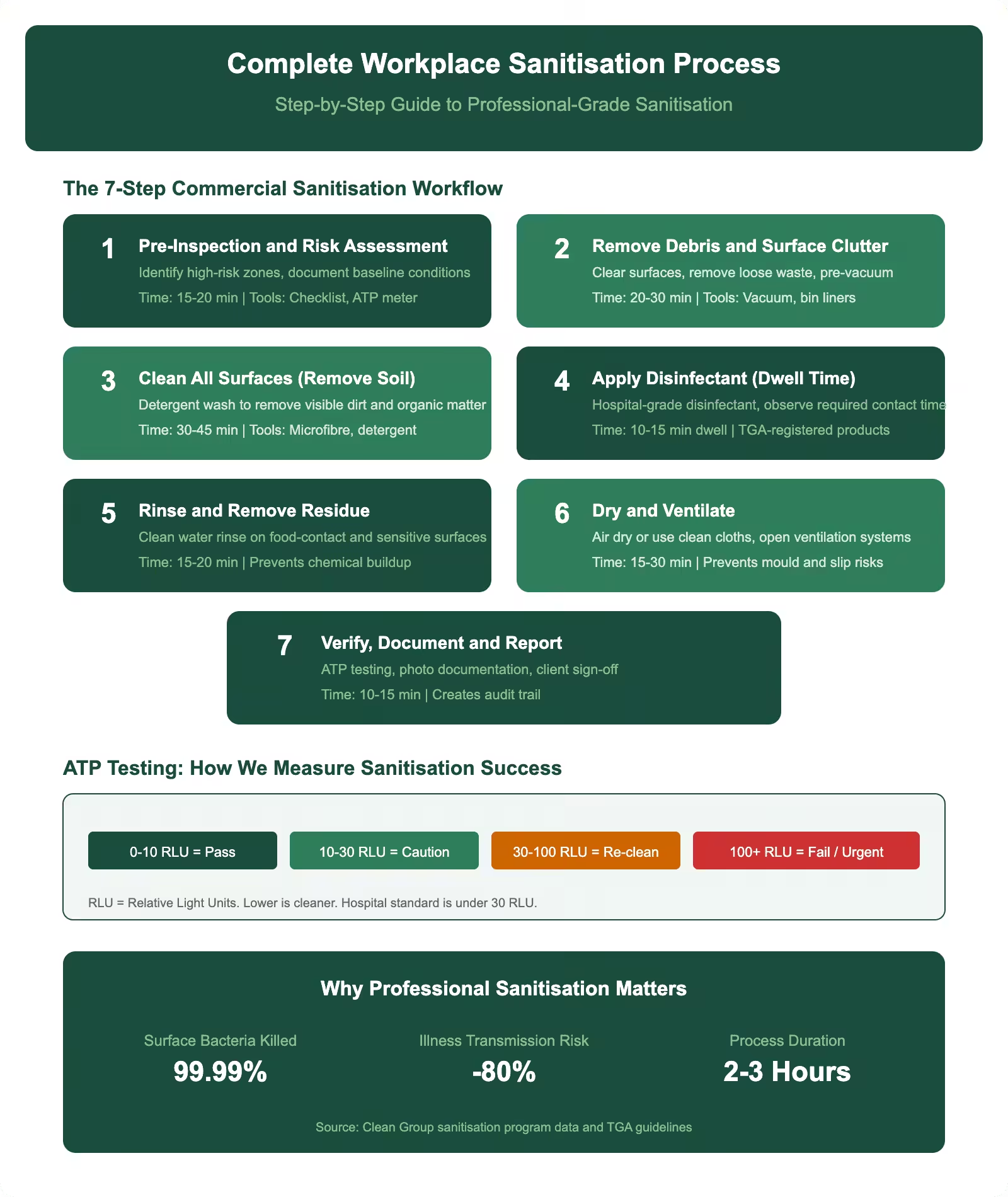
Complete workplace sanitisation process infographic showing seven step workflow from inspection to verification with ATP testing scale and bacteria reduction results
The Step-by-Step Sanitisation Process
The Step-by-Step Sanitisation Process involves specific protocols that we tailor to each facility based on its layout, traffic, and compliance requirements. Here’s how we approach workplace sanitisation at Clean Group to confirm nothing is missed:
Step 1: Preparation and Assessment We inspect the space to identify all surfaces that need attention and assess the level of contamination. This helps us determine the right products and dwell times.
Step 2: Dry Cleaning First Before any sanitiser goes down, we remove dust, cobwebs, and debris with dry cloths or vacuums with HEPA filters. Dirt particles can shield microbes from sanitiser contact.
Step 3: Surface Cleaning We clean all surfaces with appropriate detergent to remove organic matter (blood, body fluids, food residue) that can reduce sanitiser effectiveness.
Step 4: Application of Sanitiser Sanitiser is applied thoroughly to all surfaces, with special attention to high-touch areas. Contact time (typically 10-15 minutes) is observed before any wiping.
Step 5: Disinfection of High-Risk Areas Bathrooms, break rooms, and medical facilities receive stronger disinfectants and extended contact times per SafeWork NSW guidelines.
Step 6: Final Inspection We verify all areas have been treated and that no chemical residue remains that could irritate staff.
Key Areas That Require Special Attention
Key Areas That Require Special Attention requires specific protocols that we tailor to each facility based on its layout, traffic, and compliance requirements. Some workplace areas harbour pathogens more readily than others. Our experience across Sydney offices shows these zones consistently need priority:
Touchpoints and High-Contact Surfaces: Door handles, lift buttons, light switches, phone handsets, and keyboard/mouse areas. These transfer pathogens directly from hands to the next person who touches them.
Bathrooms: Toilets, sinks, soap dispensers, taps, and door handles. These areas are hotspots for bacterial and viral spread, particularly norovirus and influenza.
Break Rooms and Kitchens: Benchtops, fridges, microwave handles, coffee machines, and dining tables. Staff touch these surfaces multiple times daily whilst eating, creating ideal conditions for pathogen transfer.
Shared Equipment: Printers, photocopiers, shared tools, and office equipment. These are often overlooked but used by multiple people throughout the day.
Stairwells and Lifts: Handrails, lift floors, and lift walls. High-traffic areas where people with colds and flu pass through regularly.
Chemicals and Products We Use
Not all cleaning products are created equal. We select sanitisers based on the surface type, the pathogen threat, and safety for staff working in the space.
Hospital-Grade Disinfectants: These kill a broad spectrum of bacteria and viruses, including norovirus and tuberculosis. They’re necessary for medical facilities and high-risk areas. Contact time is typically 10 minutes.
Quaternary Ammonium Compounds (Quats): Effective against many bacteria and enveloped viruses, quats are less corrosive than bleach-based products and safe for most workplace surfaces. They’re our go-to for regular office sanitisation.
Bleach-Based Products (Sodium Hypochlorite): Powerful against a wide range of pathogens, but corrosive and often requires higher contact time. We use these selectively in bathrooms and after confirmed illness outbreaks.
Alcohol-Based Sanitisers: Effective against enveloped viruses (like coronavirus and influenza) but less effective against non-enveloped viruses and some bacterial spores. Suitable for quick touch-up sanitisation of high-contact points.
We always verify all products meet Australian safety standards and follow SDS (Safety Data Sheets) requirements. Staff in the workspace must be informed of any products being used, particularly those with strong odours or fumes.
How Often Should You Sanitise?
How Often Should You Sanitise? addresses specific protocols that we tailor to each facility based on its layout, traffic, and compliance requirements. Sanitisation frequency depends on several factors: the industry type, number of staff, foot traffic, and current health risks.
Workplace Type
Recommended Frequency
High-Touch Areas
Standard Office
Weekly or fortnightly
Daily
Medical/Dental
Daily
After each patient
School/Childcare
Daily
Multiple times daily
Food Preparation
Daily (multiple times)
Continuous
Call Centre/Shared Desk
Weekly
Daily
Industrial Facility
Fortnightly
Weekly
During flu season or when staff illness is reported, increase frequency. During outbreaks of specific pathogens (gastroenteritis, COVID-19), daily sanitisation of high-risk areas becomes required.
WHS Compliance and Your Legal Obligations
WHS Compliance and Your Legal Obligations targets specific protocols that we tailor to each facility based on its layout, traffic, and compliance requirements. Under the Work Health and Safety Act 2011 (NSW), employers must provide a workplace that is, as far as reasonably practicable, safe and without risks to health. This includes maintaining hygienic facilities and preventing the spread of infectious diseases.
SafeWork NSW specifically recommends regular cleaning and sanitisation as part of infection control measures. If your workplace experiences a communicable disease outbreak, you’re legally obligated to increase cleaning and sanitisation. Failing to do so could result in enforcement notices or penalties if an illness outbreak is traced to inadequate workplace hygiene.
Documentation is important. Keep records of sanitisation schedules, which products were used, dates and times of service, and any outbreak-related increases in cleaning. These records demonstrate due diligence if a health and safety incident occurs.
We maintain detailed service records for all our clients, providing documentation that supports your WHS compliance obligations. This is particularly important for regulated industries like healthcare, aged care, and food handling.
The Real Benefits of Professional Workplace Sanitisation
Beyond regulatory compliance, proper sanitisation delivers measurable business benefits. Reduced staff illness means fewer unplanned absences and improved productivity. In Sydney workplaces where we’ve implemented thorough sanitisation programs, clients report a 20-30% reduction in staff sick days during peak illness seasons.
Professional sanitisation also protects your business reputation. If a workplace is linked to an outbreak, clients and staff take notice. By maintaining rigorous sanitisation standards, you demonstrate that you care about health and safety. This is especially important for client-facing businesses and facilities like medical practices.
There’s also the insurance angle. Many workplace liability policies expect documented hygiene protocols. Regular professional sanitisation with service records strengthens your insurance position and demonstrates reasonable care.
Staff morale improves when people feel their workplace is genuinely clean and safe. This is particularly true after staff awareness of recent illness outbreaks. Professional sanitisation, visibly carried out and communicated, reassures your team.
Choosing the Right Sanitisation Partner
Choosing the Right Sanitisation Partner covers specific protocols that we tailor to each facility based on its layout, traffic, and compliance requirements. Not all cleaning companies understand workplace sanitisation properly. Some simply spray rooms with fragrant products and leave. At Clean Group, our teams are trained in the chemistry of sanitisation, the contact times required for different pathogens, and the WHS compliance expectations for Sydney businesses.
We work with you to assess your specific risks, recommend appropriate sanitisation frequency, and adapt our approach based on seasonal illness trends and any reported outbreaks. Our flexible scheduling means we can increase sanitisation during high-risk periods without disrupting your operations.
If you’re concerned about your workplace’s current hygiene standards or if you’ve experienced an outbreak, getting professional advice is worth considering. Our sanitisation service includes an initial assessment of your facility and recommendations tailored to your business type and risk profile. Understanding workplace cleaning costs can help you budget for complete sanitisation services that truly protect your team.
Frequently Asked Questions
Is sanitisation really necessary if we clean regularly?
Yes. Cleaning removes visible dirt; sanitisation kills pathogens. Regular cleaning is important, but without sanitisation, harmful bacteria and viruses remain. This is why bathrooms and break rooms need both cleaning and sanitisation, particularly on high-touch surfaces.
What’s the difference between sanitising and disinfecting?
Sanitising reduces pathogens to safe levels (99.9%). Disinfecting kills a broader range of pathogens more thoroughly, particularly resistant organisms like spores. Medical facilities and high-risk areas typically require disinfection; general offices usually benefit from regular sanitisation.
Are the chemicals used in sanitisation safe for staff?
When applied correctly and per manufacturer instructions, yes. We use products approved for workplace use, make sure proper ventilation, and allow drying time before staff return. Products with strong fumes are typically applied outside business hours. Safety Data Sheets are always available to staff.
How much does workplace sanitisation cost?
Costs vary by facility size, surface types, and sanitisation frequency. A small office might cost $150-300 for a single service, whilst a large facility could cost $1,000+. Regular contracts are usually more cost-effective per visit than one-off services. We provide quotes based on your specific needs.
Should we increase sanitisation if staff are sick?
Absolutely. If multiple staff have the same illness (particularly gastroenteritis or flu), increase sanitisation frequency immediately, especially in bathrooms and shared areas. This helps contain the spread and demonstrates duty of care under WHS legislation.
About Clean Group
Clean Group is a leading commercial cleaning company in Sydney, serving offices, strata properties, medical centres, schools, and industrial facilities across the greater Sydney region. With over 25 years of experience and a team of fully trained, insured cleaners, we deliver consistent results backed by a 100% satisfaction guarantee. Our services are tailored to your schedule, your budget, and your industry’s compliance requirements.
Hi, I'm Suji Siv, the founder, CEO, and Managing Director of Clean Group, bringing over 25 years of leadership and management experience to the company. As the driving force behind Clean Group’s growth, I oversee strategic planning, resource allocation, and operational excellence across all departments. I am deeply involved in team development and performance optimization through regular reviews and hands-on leadership.