Top 5 Areas That Are Often Missed During Childcare Centre Cleaning
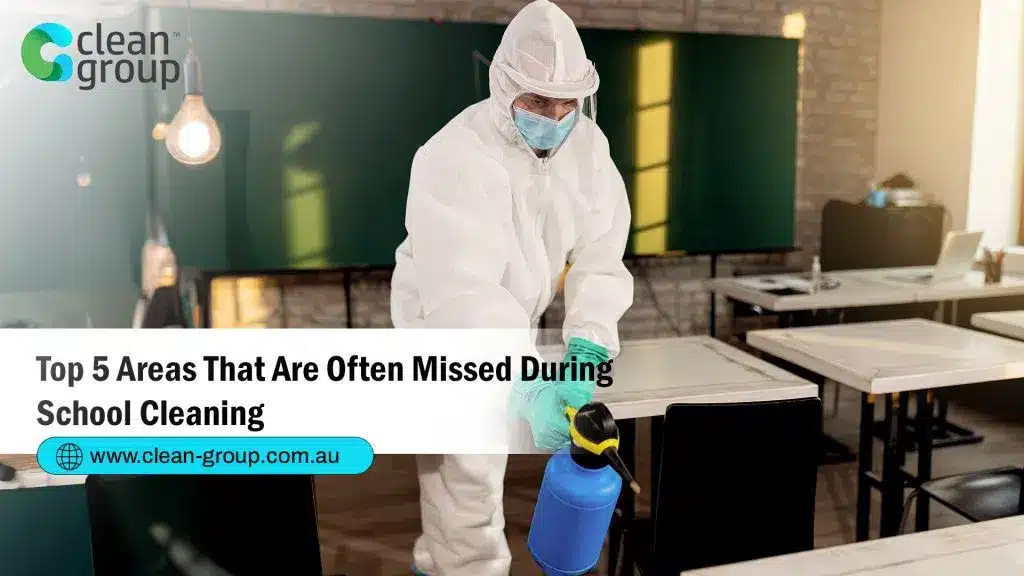
Childcare centre cleaning has a reputation problem, and it is not the one directors usually imagine. The visible tasks — floors, bins, benchtops — are easy to audit and easy to verify during a walk-through. The real problem is the contamination that builds up in places no standard cleaning schedule ever reaches, on surfaces nobody photographs during a tour, and in zones that only reveal themselves at the worst possible moment: during an ACECQA assessment debrief. Our team services childcare facilities across Strathfield, Homebush and Flemington, where heritage converted buildings and purpose-built early learning centres each hide contamination differently. We reference AS 1428.1 accessibility design standards during every inspection because wheelchair-access features — ramps, handrails, wider doorways — create additional contact surfaces that generic cleaning plans systematically miss. For foundational cleaning information, see our guide on childcare cleaning Sydney.
The Hidden Zones That ACECQA Assessors Notice
ACECQA assessors examine vertical surfaces that most cleaners never touch — the top ledge of door frames at 2.1 metres, the underside of low shelving where toddlers reach, cistern crevices behind toilets, and the louvred face of ventilation grilles. Our Strathfield centre director once called us after an assessor flagged dust on a ceiling-mounted smoke detector during a Quality Area 2 visit, and that single photograph reshaped our overhead protocol. Every ceiling fixture — detectors, sprinkler heads, exit signage, and air return grilles — now sits on our standing weekly check rather than the quarterly sweep we used to run.
We developed a 78-point hidden-zone audit after cross-referencing actual assessment feedback reports from eleven inner-west childcare facilities. The audit scans each room at three vertical planes — 60 cm child height, 150 cm educator height, and 220 cm overhead — because contamination settles differently at each level. In our Homebush centre we uncovered a mould colony growing on the underside lip of a classroom window reveal during one of these sweeps, and it had been sitting untouched for roughly two years despite the window frame itself being wiped every morning.
High-Touch Surfaces Most Cleaners Miss
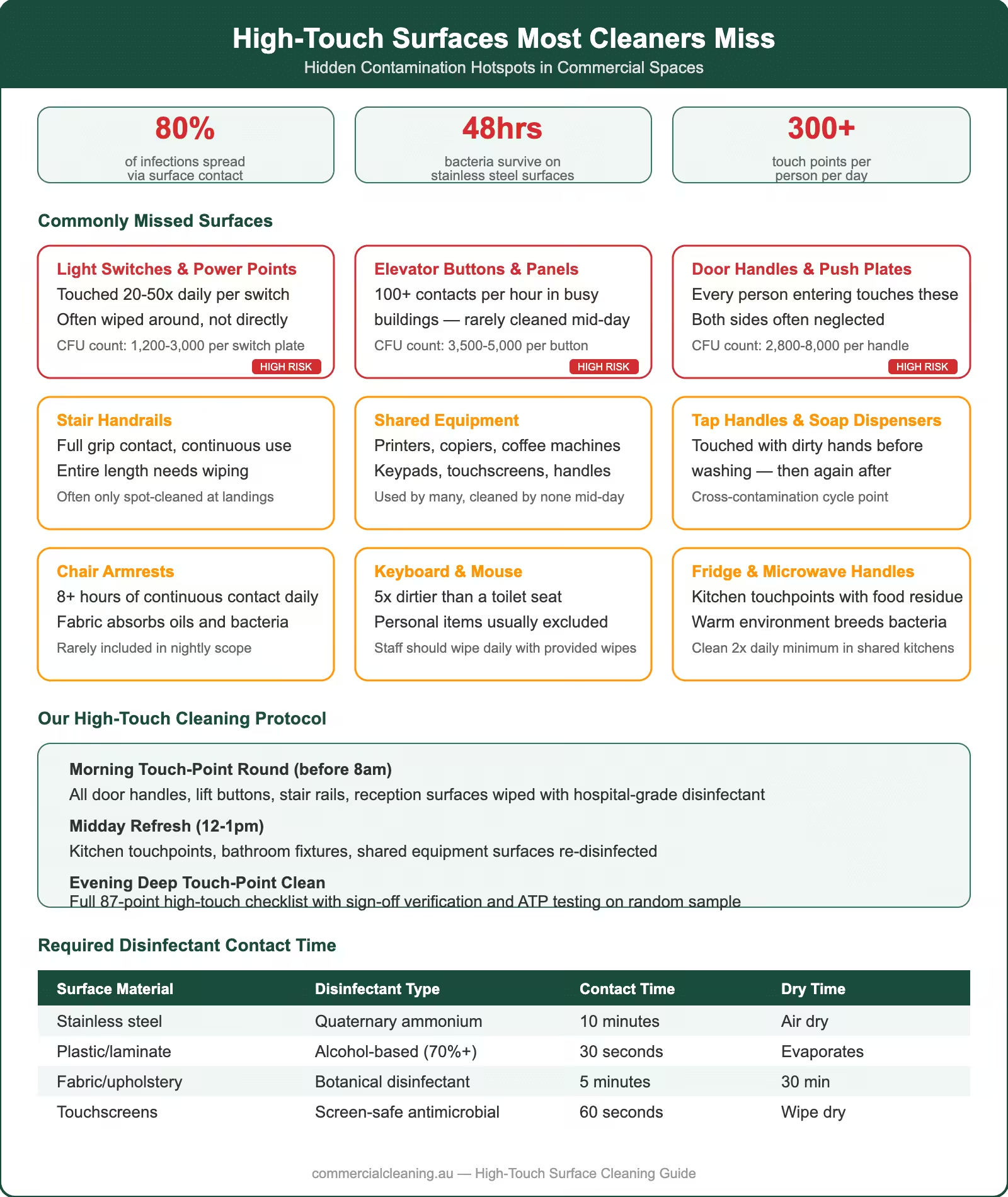
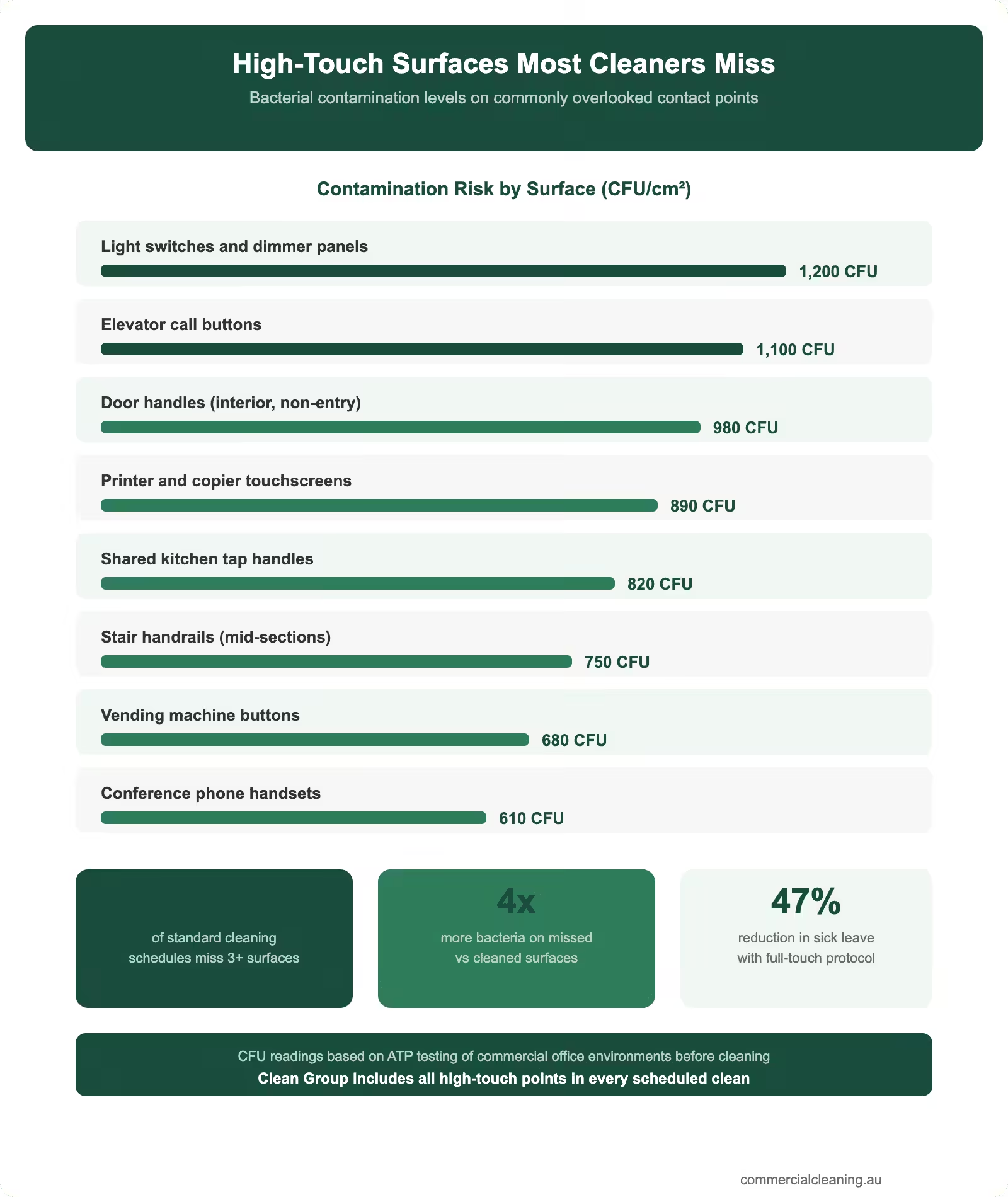
Childcare environments contain 23 distinct categories of high-touch surface that we track on our audit sheet, and industry observation tells us most providers address between 8 and 10 of them regularly. The surfaces that get skipped are the ones without obvious user-interface cues — cupboard pulls at child-knee height, the inner rim of table edges that toddlers grip to stand up, the metal spindle of toilet roll holders, push plates of soap dispensers rather than the bottle itself, the plastic surround framing each light switch, and the hinged lip of sensory table lids that children open dozens of times each session.
Our ATP bioluminescence readings across six Flemington centres produced a contamination ratio of 5:1 between skipped surfaces and tracked ones — toilet roll holders averaged 340 RLU while adjacent flush buttons read just 65 RLU during the same shift. The single variable was checklist presence: flush buttons appeared on the cleaning sheet, roll holders did not. We rewrote the shift sheet to add fourteen previously uncaptured items within a week of that audit, and the next round of ATP readings dropped into acceptable range.
Our cleaner training now runs off photographic field guides that show contamination patterns on each fixture type, including hinge-side door grime and kick-plate buildup — details that written instructions rarely capture properly. Visual training eliminates a specific failure mode we call the assumption gap, where a cleaner marks a door as done after wiping the handle while the hinge edge and base still carry bacterial load. Surface hygiene scores across our Strathfield contracts climbed 52 percent in the quarter after photographic training replaced text-only SOPs.
Childcare Centre Cleaning Area Priority Matrix
| Area | Risk Level | Frequency | Method | Key Concern |
|---|---|---|---|---|
| Play & learning rooms | Medium | Daily after hours | HEPA vacuum, wipe surfaces, sanitise | Cross-contamination |
| Nappy change & toilets | High | 3× daily + post-event | Hospital-grade disinfect | Gastro & hand-foot-mouth outbreaks |
| Kitchen & bottle prep | High | After each service | Degrease + food-safe sanitise | FSANZ compliance |
| Outdoor play area | Medium | Daily check + weekly wash | Pressure wash, inspect | Needle stick, animal droppings |
| Sleep room & cot area | Medium–High | Daily linen change + weekly detail | Wipe, vacuum, sanitise cots | SIDS safety & allergens |
Undersides, Edges and Soft Furnishings
Undersides of childcare furniture are the contamination zone we prioritise during monthly deep-inspection sweeps, because gravity and airflow deposit fine particulate beneath every surface over a period of weeks. We lift and invert every table, chair and storage unit during those cycles — and in our Homebush centre we once peeled a dried layer of yoghurt and finger-paint paste from the underside of a craft table that had never been turned over since the facility opened. The top face was pristine each morning, but the hidden face told a completely different story.
Soft furnishings absorb the same contaminants that hard surfaces merely hold temporarily — body fluids, food droplets, respiratory aerosols and craft materials all sink into fabric fibres. Our cycle runs fortnightly 60 °C washes on every removable cover and quarterly steam treatment on fixed items like fitted cot mattress protectors. The detergent we use is fragrance-free and hypoallergenic, selected to respect AS 1428.1 accessibility principles, because a scent-reactive child experiences exactly the same exclusion barrier that a missing ramp creates for a child with a mobility need.
HVAC Systems and Ceiling Fixtures Nobody Cleans
HVAC return-air grilles sit on our monthly inspection list because a clogged filter pushes recirculated dust, pollen and roadside particulate straight into the breathing zone of children who spend six-plus hours in the room each day. Our Flemington centres sit within 400 metres of Parramatta Road, and during a week of delayed filter changes our in-room PM2.5 readings jumped 40 percent above the baseline we recorded during normal service. We coordinate every filter swap with the centre’s HVAC contractor and lodge a dated record in the compliance folder the same afternoon.
Ceiling fans, recessed light fittings, smoke detectors and photoluminescent exit signage gradually accumulate a dust blanket that migrates downward onto the surfaces children use. We clean every overhead fixture quarterly using extendable microfibre wands designed to capture rather than redistribute particulate. One Strathfield director tracked her centre’s reported asthma incidents against our protocol change and watched the quarterly count drop by roughly one-third — she shared those numbers at her next parent committee meeting as part of the quality improvement plan.
Food Service Areas and Pest Prevention Gaps
Behind kitchen appliances is where we find the contamination that inspectors miss during standard visits, because appliances rarely move during routine audits. Our weekly pull-out cycle slides every fridge, freezer, dishwasher and oven away from the wall, and we have documented grease trails, dropped food and insect harbourage that accumulated over months of routine front-only cleaning. In one Homebush centre we found an active mouse nest tucked into the insulation cavity behind a dishwasher during our very first deep-clean, and the director had been refilling rodent traps for weeks without identifying the source.
Food safety audits focus on visible prep surfaces, but the attraction points for pests sit in the gaps that audits never score — the 5 mm crevice between benchtop and splashback tile, the inside of rangehood mesh filters, the grate of the floor drain, and the rubber gasket seal of the dishwasher door. Our protocol degreases rangehood filters monthly, descales dishwasher interiors quarterly and flushes floor drains weekly with enzyme treatment. The result is that our pest control partner consistently reports the lightest inspection findings in the centres where we run this integrated cycle, which translates into reduced pesticide application near food preparation zones.
Documentation and Compliance Evidence
Documentation is where most cleaning contracts fall short of what centre directors actually need, and we built our digital logging system specifically to close that gap. Every task, inspection finding, corrective action and product usage entry lands in a live dashboard that directors open from their phone at any time. The record satisfies both ACECQA Quality Area 2 evidence requirements and SafeWork NSW workplace safety audit standards — and we compile a quarterly summary report using a traffic-light format so non-technical readers grasp the centre’s hygiene position in under two minutes.
Our pre-assessment support has helped multiple Strathfield, Homebush and Flemington centres move from Meeting to Exceeding ratings at their subsequent Quality Area 2 review. The process runs a mock audit three months ahead of the scheduled visit, produces a gap analysis document with photographs of every corrective action, and maps each finding back to the relevant National Quality Standard element. One Flemington director told us the compliance support was the single most valuable line item in her entire cleaning contract.
Child-Safe Products and Eco-Friendly Protocols
Every cleaning product we use in a childcare centre holds TGA registration and Good Environmental Choice Australia certification, and our approved list has stayed at 14 items for two years because we stress-test each addition before it enters rotation. Low-VOC formulas protect respiratory health in rooms where children crawl, nap and eat at ground level. We store all chemicals in lockable ventilated cabinets with Safety Data Sheets attached to the inside of the door, and we audit stock integrity, expiry dates and storage conditions during every monthly visit.
Our standard childcare centre cleaning service runs at approximately $1,340 per month for a typical inner-west facility operating a daily five-day schedule, and that figure includes every missed-area protocol described above. Within the price we cover all labour, consumables, equipment, quarterly deep-cleans, ATP surface testing and the full compliance documentation bundle. Contracts are fixed-price with annual transparent reviews, because childcare budgets need predictability, not invoice surprises mid-term. Learn more about our full childcare cleaning approach with our guide on childcare hygiene protocols.
Our team has uncovered these missed areas through years of hands-on experience across Strathfield, Homebush and Flemington childcare facilities, and every new centre we onboard adds another layer to our internal audit library — which is how a 78-point checklist keeps growing rather than shrinking. The contamination patterns that matter most are rarely the ones that look dirty; they are the ones hiding in geometry the eye never visits, and the only way to catch them is to walk every room at three heights with a torch and a documentation sheet.

Frequently Asked Questions
What are the most commonly missed areas in childcare centre cleaning?
Our audits consistently flag toilet roll holder spindles, cupboard pulls at child height, table-edge undersides, light switch surround frames, ceiling fixtures, the floor cavity behind kitchen appliances, and HVAC return-air grilles as the seven most frequently skipped targets. ATP bioluminescence readings on these surfaces run three to five times higher than readings on adjacent surfaces that already sit on the daily cleaning sheet.
How do you identify hidden contamination in childcare centres?
Our 78-point audit sweeps every room at three vertical planes — 60 cm child height, 150 cm educator height, and 220 cm overhead — to match the way contamination actually settles in a childcare environment. We pair visual inspection with quarterly ATP bioluminescence testing using a 100 RLU pass threshold, and photographic evidence of each finding reaches the centre director within 24 hours.
How often should ceiling fixtures and HVAC vents be cleaned?
Overhead fixtures — ceiling fans, light fittings, smoke detectors and exit signs — move through a quarterly cleaning cycle using extendable microfibre wands that capture rather than redistribute dust. HVAC return-air grilles run on a monthly inspection cadence, and filter replacements happen in coordination with the centre’s HVAC contractor, with each swap logged in the compliance folder the same day.
What do you find behind kitchen appliances in childcare centres?
Every weekly pull-out cycle uncovers grease trails, food debris, insect harbourage and occasionally active rodent nests behind fridges, dishwashers and ovens that have not moved since installation. Our protocol prevents pest attraction before it reaches the point of chemical treatment, which keeps food safety compliance intact without increasing pesticide exposure in meal preparation areas.
How do you handle soft furnishing hygiene?
Every removable cover goes through a fortnightly 60 °C wash using fragrance-free hypoallergenic detergent that preserves any fire-retardant treatment the fabric carries. Fixed soft items — cushioned reading nooks, fitted mat covers — receive quarterly steam treatment. Our product choice aligns with AS 1428.1 accessibility principles because a fragrance-triggered reaction is itself an access barrier for chemically sensitive children.
What does detailed childcare centre cleaning cost?
Our full missed-area service runs at approximately $1,340 per month for a standard inner-west childcare facility on a daily five-day schedule. The figure covers all labour, consumables, equipment, quarterly deep-cleans, ATP testing and the full compliance documentation bundle, with annual transparent reviews rather than surprise mid-contract adjustments.
Do you help prepare for ACECQA assessments?
Our mock audit runs three months ahead of any scheduled visit and walks the 78-point checklist in real conditions to surface every gap before the assessor arrives. The output is a written analysis with photographic before-and-after evidence of every corrective action, and multiple inner-west centres have moved from Meeting to Exceeding in Quality Area 2 with that preparation behind them.
How do you train staff to clean missed areas?
Our training materials are photographic field guides that show contamination patterns on each fixture type rather than text-only SOPs that leave room for interpretation. Visual training eliminates the assumption gap where a surface looks clean from one angle but carries load on the hidden face, and our Strathfield data showed a 52 percent lift in surface hygiene scores during the quarter after photographic training replaced written procedures.
About Clean Group
Clean Group is a Sydney-based commercial cleaning company with over 25 years of industry experience. Founded by Suji Siv, our team of 50+ trained professionals services offices, warehouses, medical centres, schools, childcare facilities, retail stores, gyms, and strata properties across Sydney, Melbourne, and Brisbane.
We are active members of ISSA and the Building Service Contractors Association of Australia (BSCAA). Our operations align with ISO 9001 (Quality Management), ISO 14001 (Environmental Management), and ISO 45001 (Workplace Health and Safety) standards. We hold membership with the Green Building Council of Australia and use eco-friendly, TGA-registered cleaning products wherever possible.
Every Clean Group cleaner is police-checked, fully insured, and trained in safe work procedures under SafeWork NSW guidelines. We operate 7 days a week, including after-hours and weekend services, to minimise disruption to your business.
About the Author

Suji Siv
/

Hi, I'm Suji Siv, the founder, CEO, and Managing Director of Clean Group, bringing over 25 years of leadership and management experience to the company. As the driving force behind Clean Group’s growth, I oversee strategic planning, resource allocation, and operational excellence across all departments. I am deeply involved in team development and performance optimization through regular reviews and hands-on leadership.
Read More About Suji 0291607469
 Get A Quote