How to Remove Ink Stains from Office Carpet
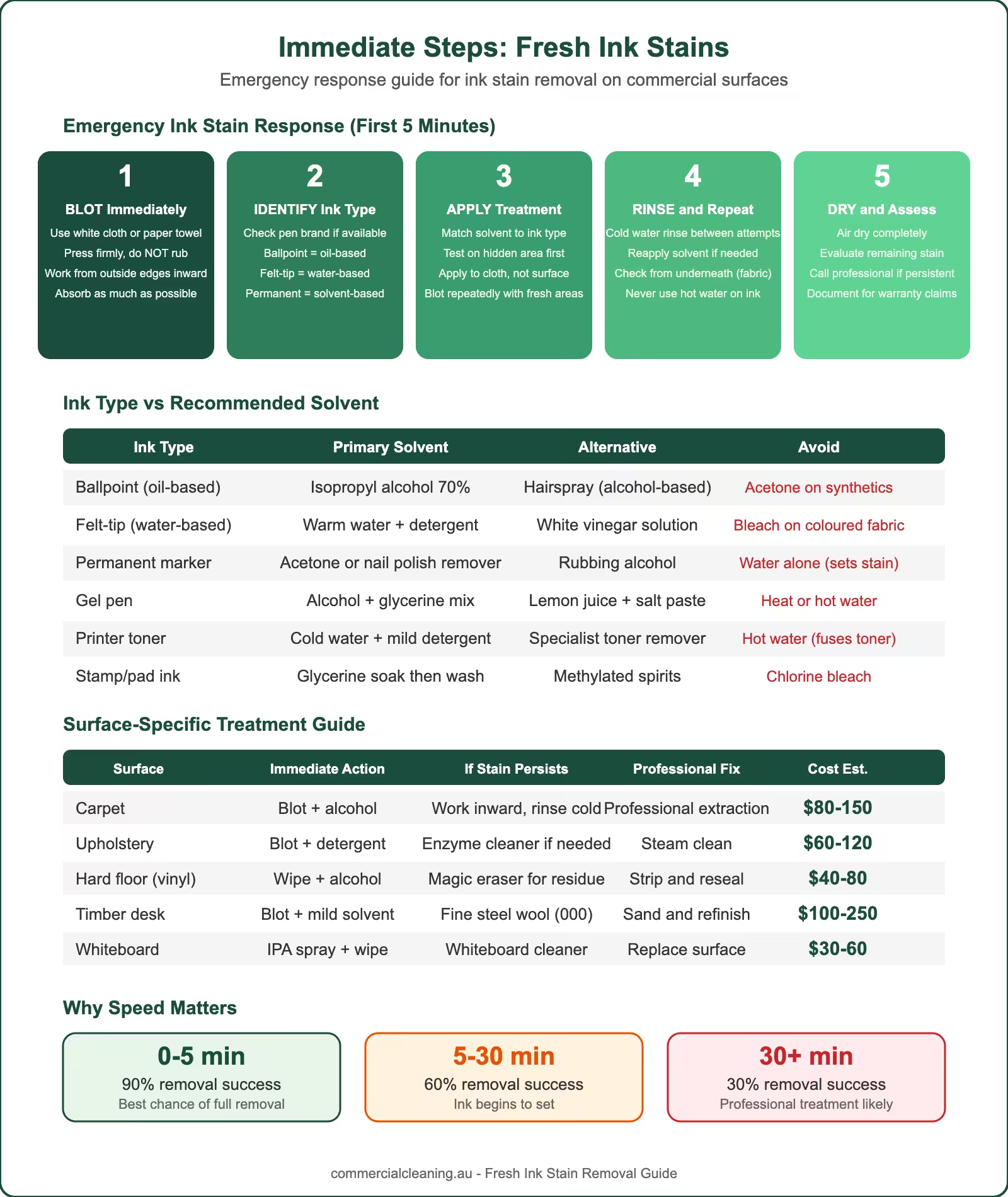
We get called out to ink stain emergencies on Sydney office carpets more often than any other spot job, and our team has built up a clear playbook for what works and what makes the situation worse. A pen leak under a desk in a Surry Hills creative agency, a printer cartridge rupture in a North Sydney accounting firm, a permanent marker mishap during a Parramatta whiteboard session — we have handled all of them. Our office carpet cleaning crews approach every ink job the same way: identify the ink chemistry first, choose the matching solvent second, and never reach for water on an oil-based stain. This guide shares the exact protocols we run on commercial sites so facility managers know what to do in the first ten minutes and when to stop and call us.
Understanding Ink Stain Types
We treat ink identification as the most important step in the whole process because using the wrong solvent on the wrong ink type permanently sets the stain. Our crews keep a small reference card in every spot-treatment kit covering the four ink families we encounter on commercial sites, and we never start treatment until we have confirmed which one we are dealing with.
- Ballpoint pen ink: Oil-based, dries quickly, and penetrates deeply into carpet fibres
- Fountain pen ink: Water-based and often easier to treat if caught early
- Printer ink: Can be oil or water-based depending on cartridge type; spreads rapidly across fibres
- Permanent marker: Extremely stubborn and requires professional-grade solvents
We have learned the hard way that oil-based ballpoint ink is harder to remove than every other type combined, and we have also learned that the age of the stain matters more than almost anything else. A fresh ballpoint stain on Sydney CBD nylon broadloom is roughly an eighty percent removal job for our team. The same stain after forty-eight hours drops to closer to fifty percent. Our team has tracked these numbers across three years of spot reports because we believe facility managers deserve realistic expectations rather than marketing optimism.
Immediate Steps: Fresh Ink Stains
We tell every client the same thing when they call about a fresh ink spill — the first ten minutes are worth more than the next ten hours. Our team has built a two-track emergency response based on whether the ink is water-based or oil-based, and the worst thing anyone can do is treat them the same way.
For water-based inks (fountain pen, some printers):
- Blot immediately with white paper towels—do not rub, as this spreads the stain
- Apply cold water to the stained area, continuing to blot
- Use a carpet extraction machine if available in your office
- Repeat the blot-and-extract process until no more colour transfers
For oil-based inks (ballpoint pen):
- Blot with paper towels to remove excess ink
- Do not add water—this will not help oil-based stains
- Gently dab with a cloth barely dampened in methylated spirits (rubbing alcohol)
- Work from the outside of the stain toward the centre
- Repeat until the stain stops transferring to your cloth
Our crews have arrived at jobs where well-meaning office staff have flooded a ballpoint stain with water because that is what they would do for a coffee spill, and the result is always a much larger stain that has spread through the pile and into the backing. We would rather a client do nothing and call us than apply the wrong treatment and double the size of the affected area.
Professional Removal Techniques
We escalate to professional methods whenever a client describes a stain older than six hours, larger than a fifty-cent coin, or already worsened by a DIY attempt. Our team brings four distinct techniques to a commercial ink job and we choose between them based on ink chemistry, carpet fibre, and how much of the original colour we are trying to preserve.
Solvent-Based Extraction
We apply specialty carpet solvents specifically formulated for different ink types, then use hot water extraction to lift the dissolved ink. This method is our default for both oil-based and water-based stains, and we calibrate the solvent dwell time to between three and five minutes depending on how deeply the ink has penetrated the pile.
Enzymatic Treatment
Enzymatic cleaners break down organic components in ink, making them particularly effective on fresh stains. We allow the enzyme to work for around fifteen minutes before extraction because we have measured the difference and shorter dwell times consistently leave residual pigment behind.
Oxidising Agents
For permanent marker and highly resistant inks, our team applies controlled mild oxidisers to break down the pigment structure. This is the technique we save for last because it carries the highest risk of damaging the carpet itself if the operator gets the dilution or dwell time wrong, and we only let our most experienced technicians run it.
Spot Dyeing (Last Resort)
If the stain cannot be removed through extraction or solvent methods, we apply matched carpet dye to blend the affected area into the surrounding pile. We treat this as a cosmetic rescue rather than a real removal, but our facility management clients in Sydney CBD have repeatedly told us they prefer an invisible patch to a permanent dark mark in the middle of a high-visibility floor.
What Works: Methods Comparison
| Ink Type | Best Method | Success Rate | Time to Clear |
|---|---|---|---|
| Water-based fountain pen | Cold water + blotting | 95%+ if fresh | 5–15 minutes |
| Ballpoint pen | Methylated spirits + solvent extraction | 80% if fresh, 50%+ if set | 30–60 minutes |
| Laser printer ink | Hot water extraction | 90%+ if fresh | 15–30 minutes |
| Inkjet cartridge | Cold water + enzymatic treatment | 85% if fresh | 20–45 minutes |
| Permanent marker | Professional solvent + oxidising agent | 30–60% | 60+ minutes |
Preventing Future Ink Stains in Your Office
We work with a few legal firms in Martin Place that used to call us for an ink stain emergency every month, and after the third visit we sat down with the office manager and rebuilt the pen storage protocol around the desks. The frequency dropped to roughly one call per quarter. Prevention is not glamorous but it saves clients far more than they spend on a quarterly carpet visit.
Our team typically recommends that high pen-usage offices in Sydney — legal practices, architectural studios, design agencies, accounting firms — set up dedicated writing zones with wipeable desk pads, store fountain pens upright in sealed cups, keep ballpoint pens capped in drawer organisers rather than loose on desks, and place absorbent mats under printer cartridge bays. These five small changes have measurably cut our emergency call-out volume across the dozens of clients we have advised.
When Professional Cleaning Is Necessary
We give our clients clear thresholds for when to stop the DIY response and call us. Our crews have rescued plenty of stains that were salvageable on arrival but would have been impossible by the next day, and the trigger points below come from years of pattern recognition on what is and is not realistic for in-house staff to handle.
- The stain has been set for more than a few hours
- Your DIY attempt has made the stain worse or broader
- You have identified permanent marker or industrial ink
- The stain covers an area larger than a few centimetres across
- The carpet is wool, silk, or antique (these require specialised care)
- You want to preserve warranty or insurance coverage
We have successfully removed ink stains from offices across Sydney CBD, eastern suburbs law firms in Bondi Junction and Double Bay, Parramatta corporate buildings, and the design studios that cluster around Surry Hills. Our team brings the equipment, the chemistry, and the experience to know when to push harder and when to stop before we damage the pile.
Ink Stain Removal and Carpet Lifespan
We have seen too many commercial carpets ruined by aggressive DIY ink treatment, and the damage is usually invisible until months later when the affected area starts pilling, fading, or wearing through faster than the surrounding pile. Bleach-based household cleaners, undiluted solvents, and over-scrubbing all break down the fibre structure even after the visible stain is gone. Our methods use controlled solvent dilutions and calibrated extraction pressures that lift the ink without compromising the carpet.
We track carpet replacement timelines across our commercial client base and the data is consistent — properly maintained commercial carpet lasts five to seven years in a typical office environment, and carpet that has been damaged by aggressive spot treatment drops to three or four. The cost difference over a five-year cycle far exceeds whatever a client might save by attempting a difficult ink job in-house.
Once your ink stains are cleared, maintaining your carpet with regular professional cleaning and our facility management services ensures your office maintains a professional appearance year-round. We coordinate stain removal with your regular maintenance schedule, and for guidance on broader cleaning strategies, consult our guide on extraction vs encapsulation that supports your facility.
Frequently Asked Questions
How quickly do I need to act on a fresh ink stain?
We tell clients the first ten minutes matter more than the next ten hours. A fresh ballpoint stain treated immediately is roughly an eighty percent removal job for our team — the same stain after forty-eight hours drops to closer to fifty percent. Blot first, identify the ink type second, and call us if you are not sure which solvent to reach for.
Will rubbing alcohol damage my office carpet?
Methylated spirits is safe on most commercial nylon and polypropylene fibres if used sparingly and dabbed rather than scrubbed. Our team avoids it on wool and silk because the alcohol can lift dyes and dry out the fibres. Test on an inconspicuous patch first if you are unsure of the fibre type.
Why did water make my ballpoint stain bigger?
Ballpoint ink is oil-based, and water spreads oil through the pile rather than dissolving it. We have arrived at jobs where staff have flooded a small ballpoint mark with water and turned a fifty-cent coin stain into a dinner plate. The correct first step on oil-based ink is dry blotting followed by methylated spirits — never water.
Can permanent marker actually be removed from carpet?
Sometimes — our success rate sits between thirty and sixty percent depending on age, fibre type, and whether anyone has already attempted DIY treatment. We use controlled oxidising agents on the worst cases, and where full removal is impossible we offer spot dyeing to blend the area into the surrounding pile.
How much does professional ink stain removal cost?
Our minimum spot-treatment call-out across Sydney is around $180 for a single stain on accessible commercial carpet. Larger or older stains, oxidiser treatments, and spot dyeing add to the cost. We provide a written quote on arrival before starting any work so there are no surprises.
Do you handle ink stains on wool and antique carpets?
Yes, but we follow a much gentler protocol. Wool fibres cannot tolerate alkaline solvents or aggressive oxidisers, so we use neutral-pH chemistry, lower extraction pressures, and longer dwell times. Our team performs a fibre check before starting any treatment on heritage or natural-fibre carpets.
What should I do if the stain has been there for weeks?
Call us before you try anything else. Old ink stains are not impossible but they need a specific staged approach — solvent loosening, controlled oxidation if needed, extraction, and a finishing pass. DIY attempts on old stains almost always make the eventual professional removal harder and more expensive.
How do I prevent ink stains in a high pen-usage office?
We recommend dedicated writing zones with wipeable desk pads, capped pen storage in drawer organisers, upright fountain pen cups, and absorbent mats under printer cartridge bays. We worked with a Martin Place legal firm on these five changes and their emergency call-out volume dropped from monthly to quarterly.
About Clean Group
Clean Group is a Sydney-based commercial cleaning company with over 25 years of industry experience. Founded by Suji Siv, our team of 50+ trained professionals services offices, warehouses, medical centres, schools, childcare facilities, retail stores, gyms, and strata properties across Sydney, Melbourne, and Brisbane.
We are active members of ISSA and the Building Service Contractors Association of Australia (BSCAA). Our operations align with ISO 9001 (Quality Management), ISO 14001 (Environmental Management), and ISO 45001 (Workplace Health and Safety) standards. We hold membership with the Green Building Council of Australia and use eco-friendly, TGA-registered cleaning products wherever possible.
Every Clean Group cleaner is police-checked, fully insured, and trained in safe work procedures under SafeWork NSW guidelines. We operate 7 days a week, including after-hours and weekend services, to minimise disruption to your business.
About the Author

Suji Siv
/

Hi, I'm Suji Siv, the founder, CEO, and Managing Director of Clean Group, bringing over 25 years of leadership and management experience to the company. As the driving force behind Clean Group’s growth, I oversee strategic planning, resource allocation, and operational excellence across all departments. I am deeply involved in team development and performance optimization through regular reviews and hands-on leadership.
Read More About Suji 0291607469
 Get A Quote