Complete Guide to Upholstery Cleaning Lounge Furniture by Material Type
We clean commercial lounges across Sydney every week, and the question we hear most often from building managers is whether their tired-looking reception or breakout lounges can actually be restored or if replacement is the only option. Our upholstery cleaning specialists in Sydney save clients thousands of dollars by restoring lounge furniture that appears beyond help, and we have built a reputation for honest assessment — if a piece genuinely cannot be restored, we say so upfront rather than taking the money for a clean that will not deliver results. We developed our lounge-specific cleaning protocols after years of working across commercial reception areas, medical waiting rooms, and corporate breakout spaces in Randwick, Coogee, and Clovelly where the lounge furniture takes a beating from high-traffic public use that far exceeds what domestic furniture ever encounters.
Assessing Lounge Condition Before We Start — The Tests That Matter
We never start cleaning a commercial lounge without conducting three diagnostic tests that determine our approach and set realistic expectations. First, we perform a colourfastness test referencing AS 2001.4.15 textile testing standards — we apply our cleaning solution to a concealed area and blot with a white cloth to check for dye transfer. If the fabric bleeds colour, we switch to a dry-cleaning solvent method rather than wet extraction. Second, we assess fabric integrity by gently pulling fibres at wear points — if the weave separates under light tension, the fabric is structurally compromised and aggressive cleaning will cause visible damage. Third, we check foam resilience by pressing the cushion and timing its recovery — foam that takes more than three seconds to return to shape has lost its cellular structure and cleaning will not restore comfort or appearance. These three tests take our team less than five minutes but they prevent the kind of damage that gives the upholstery cleaning industry a bad reputation. We documented these protocols after ruining a set of reception lounges in Coogee by wet-extracting a fabric that tested positive for dye instability — a mistake that cost us the replacement value and taught our entire crew to test before they touch.
Wet Extraction Versus Dry Cleaning — Choosing the Right Method for Each Lounge
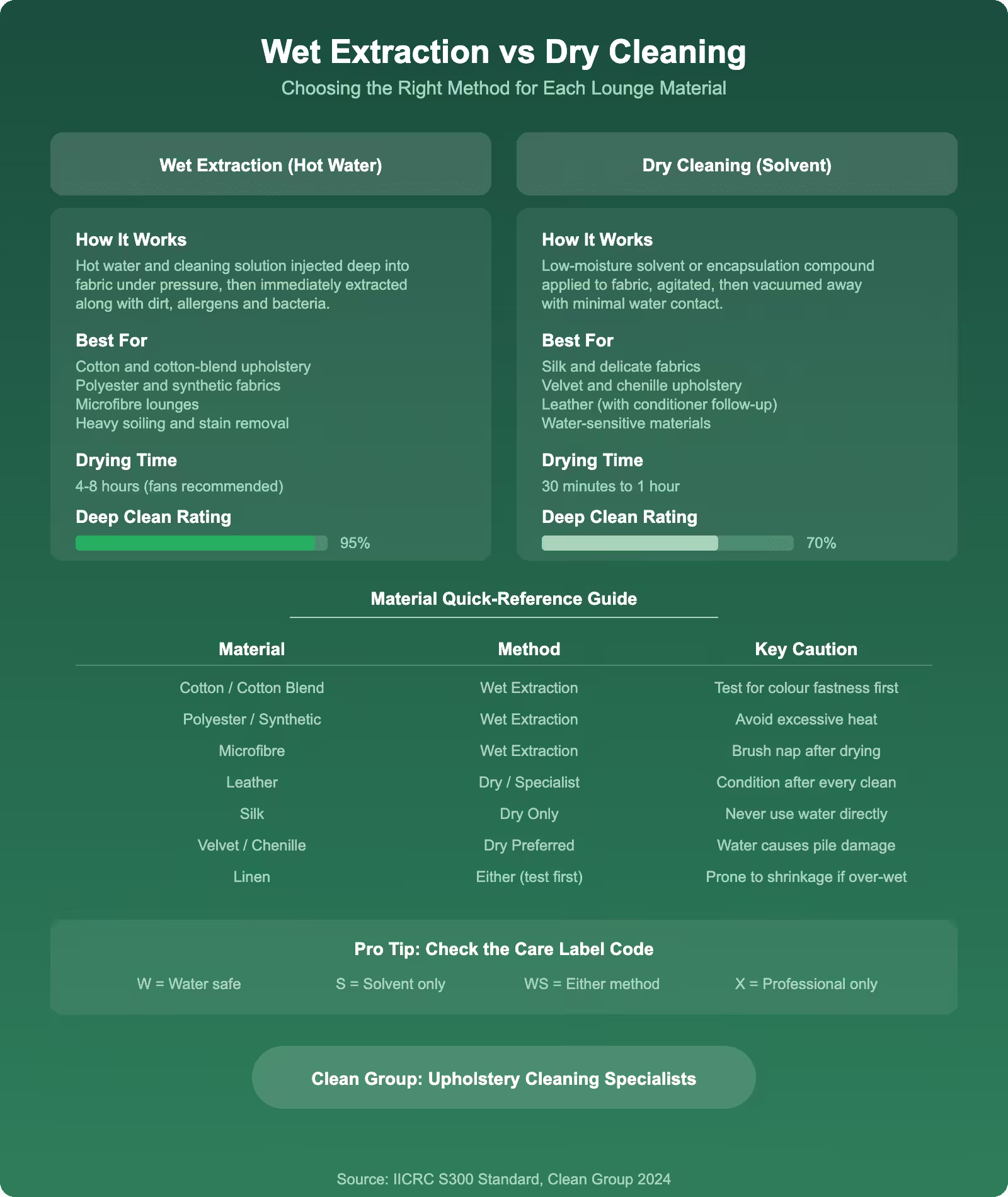
We carry equipment for both wet extraction and dry-compound cleaning because the fabric type and condition dictate which method will deliver the best result without causing damage. Wet extraction — sometimes called hot water extraction or steam cleaning — works by injecting heated cleaning solution into the fabric under controlled pressure and immediately extracting it along with dissolved contamination. This method excels on synthetic fabrics like polyester, nylon, and olefin that tolerate moisture well, and it achieves the deepest clean by flushing contaminants out of the fabric structure rather than just lifting them off the surface. Dry-compound cleaning uses an absorbent powder impregnated with cleaning solvents that is brushed into the fabric, allowed to encapsulate soil particles, and then vacuumed out. We use this method on natural fibres like cotton, linen, and silk blends that shrink or distort when wet, and on any fabric that fails our AS 2001.4.15 colourfastness test. Our team in Randwick has cleaned identical lounge models side by side using both methods to demonstrate the difference to sceptical building managers — the wet-extracted piece came out marginally cleaner on ATP testing, but the dry-cleaned piece was ready for use immediately while the wet piece needed three hours to dry.
Upholstery Fabric Cleaning Method Guide
| Fabric Type | Method | Drying Time | Risk Level | Cost per Seat |
|---|---|---|---|---|
| Synthetic (Polyester) | Hot water extraction | 4–6 hrs | Low | $25–$45 |
| Natural (Cotton/Linen) | Low-moisture foam | 2–4 hrs | Medium (shrinkage) | $35–$60 |
| Leather | pH-neutral wipe + condition | 1 hr | High (discolouration) | $40–$75 |
| Velvet/Chenille | Dry clean / low-moisture | 3–5 hrs | High (crush marks) | $45–$80 |
| Microfibre | Solvent-based spot clean | 1–2 hrs | Low | $20–$40 |
Stain Treatment Strategies for Common Commercial Lounge Contamination
Upholstery Fabric Cleaning Method Guide requires specific protocols that we tailor to each facility based on its layout, traffic, and compliance requirements. We encounter a predictable set of stains on commercial lounges and we carry pre-mixed spotting solutions for each category so our team can treat them efficiently without experimenting on the client’s furniture. Coffee and tea stains respond to an oxidising agent — we use a stabilised hydrogen peroxide gel that breaks down tannin compounds without bleaching most commercial fabrics. Ink from pens and markers requires a solvent-based spotter that dissolves the dye carrier without spreading the pigment deeper into the fabric. Food grease and oil stains need an alkaline emulsifier applied before the main cleaning pass to break the lipid bonds that anchor them to fabric fibres. Blood and other protein-based stains get an enzymatic pre-treatment at cool temperature because heat denatures proteins and permanently fixes them into the weave. We treated a reception lounge in Clovelly that had accumulated over two years of untreated coffee spills — the building manager had assumed the dark patches were permanent wear marks until our team demonstrated that targeted tannin treatment could lift them entirely. That single demonstration converted a sceptical client into one of our longest-running maintenance accounts.
Odour Elimination — Going Beyond Masking to Genuine Neutralisation
Odour Elimination — Going Beyond Masking to Genuine Neutralisation addresses specific protocols that we tailor to each facility based on its layout, traffic, and compliance requirements. We deal with lounge odour complaints more frequently than stain complaints in commercial settings, and the source is almost always biological decomposition in the foam padding rather than surface contamination. Body oils, perspiration, and food residue migrate through the fabric into the foam over time, and the warm, dark interior of a cushion provides ideal conditions for bacterial growth that produces volatile organic compounds — the musty or sour smell that building managers describe. Our approach targets the source rather than masking it: we inject an enzymatic deodoriser directly into the foam through the fabric using a specialised needle applicator, then extract the loosened contamination during our wet cleaning pass. For severe odour cases in Randwick commercial lounges, we follow up with an ozone treatment using a portable generator that oxidises residual odour molecules at the molecular level. We never use fragrance-based deodorisers because they simply overlay a perfume scent over the underlying problem, and when the fragrance fades the original odour returns. Our clients appreciate this honest approach because it solves the problem permanently rather than creating a dependency on repeated masking treatments.
Commercial Lounge Cleaning Costs and Value Proposition
Commercial Lounge Cleaning Costs and Value Proposition targets specific protocols that we tailor to each facility based on its layout, traffic, and compliance requirements. We price lounge cleaning based on the number of seating positions and the cleaning method required, and we always provide a firm quote after our diagnostic assessment so there are no surprises. Our standard commercial lounge cleaning programme for a reception or breakout area in the Randwick, Coogee, or Clovelly corridor typically runs around $3,070 for a session covering six to eight lounge pieces including diagnostic testing, stain pre-treatment, full extraction or dry cleaning, and deodorising where needed. The value proposition becomes clear when you compare this cost to furniture replacement — a quality three-seater commercial lounge runs between five and eight thousand dollars, and our cleaning programme can maintain it in presentable condition for seven to ten years. We have clients in the eastern suburbs who have been on quarterly lounge maintenance with us for over six years and their original furniture still presents well enough for front-of-house reception use. Our team provides condition photography at each visit so building managers can track the gradual improvement and maintain a documented history that supports their asset management decisions.
For a deeper understanding of the professional techniques our team uses across all fabric types, we have documented our complete methodology in our guide on how to professionally clean upholstery in commercial environments.
Frequently Asked Questions
Can a heavily stained commercial lounge actually be restored?
We restore lounges that building managers have written off as beyond help in the majority of cases. Our diagnostic assessment determines whether restoration is viable — we test colourfastness, fabric integrity, and foam resilience before starting. If a piece genuinely cannot be restored, we tell the client upfront rather than charging for a clean that will not deliver results.
How do you test fabric before cleaning a lounge?
We perform three tests: colourfastness testing per AS 2001.4.15 to check for dye transfer, fabric integrity assessment by gently pulling fibres at wear points, and foam resilience testing by timing cushion recovery. These tests take under five minutes and determine whether we use wet extraction or dry-compound cleaning to avoid damage.
How much does commercial lounge cleaning cost?
Our standard programme for a reception or breakout area in the Randwick, Coogee, or Clovelly corridor typically runs around $3,070 per session covering six to eight lounge pieces. This includes diagnostic testing, stain pre-treatment, full extraction or dry cleaning, and deodorising. The cost is a fraction of furniture replacement which runs five to eight thousand per piece.
What is the difference between wet extraction and dry cleaning for lounges?
Wet extraction injects heated solution and immediately extracts it with dissolved contamination — best for synthetic fabrics that tolerate moisture. Dry-compound cleaning uses absorbent powder with solvents that encapsulate soil and vacuum out — ideal for natural fibres or fabrics that fail colourfastness testing. We carry both systems and choose based on fabric assessment.
How do you remove odours from commercial lounge furniture?
We inject enzymatic deodoriser directly into the foam padding through the fabric using a needle applicator, then extract loosened contamination during wet cleaning. For severe cases, we follow with ozone treatment that oxidises odour molecules at the chemical level. We never use fragrance-based masking products because they create temporary cover without solving the problem.
How often should commercial lounges be professionally cleaned?
We recommend quarterly cleaning for high-traffic reception and waiting area lounges, and biannual cleaning for lower-use breakout and meeting room furniture. Our clients on quarterly schedules have maintained original furniture in front-of-house condition for over six years, avoiding expensive replacement cycles.
Can you remove coffee stains from commercial upholstery?
Coffee and tea stains are tannin-based and respond well to our stabilised hydrogen peroxide gel treatment. We have removed coffee stains that accumulated over two years and were assumed to be permanent wear marks. Early treatment is always easier, but even aged tannin stains can often be fully lifted with the right chemistry and technique.
Will the lounge be usable on the same day after cleaning?
Dry-cleaned lounges are ready for use immediately after treatment. Wet-extracted lounges typically need three hours drying time with our air mover protocol. We schedule commercial lounge cleaning to allow adequate drying before the next business day, and we position air movers to accelerate the process without risk of over-drying the fabric.
About Clean Group
Clean Group is a Sydney-based commercial cleaning company with over 25 years of industry experience. Founded by Suji Siv, our team of 50+ trained professionals services offices, warehouses, medical centres, schools, childcare facilities, retail stores, gyms, and strata properties across Sydney, Melbourne, and Brisbane.
We are active members of ISSA and the Building Service Contractors Association of Australia (BSCAA). Our operations align with ISO 9001 (Quality Management), ISO 14001 (Environmental Management), and ISO 45001 (Workplace Health and Safety) standards. We hold membership with the Green Building Council of Australia and use eco-friendly, TGA-registered cleaning products wherever possible.
Every Clean Group cleaner is police-checked, fully insured, and trained in safe work procedures under SafeWork NSW guidelines. We operate 7 days a week, including after-hours and weekend services, to minimise disruption to your business.
About the Author

Beau Sleeman
Hi, I’m Beau, a full-time accountant and part-time writer at Clean Group. With over ten years of industry experience managing company accounts and records, I’m responsible for keeping everything organised. I have worked with multiple cleaning companies to help successfully manage their businesses and generate profits while ensuring the best value for money for their customers. I also actively engage in the process of creating personalised cleaning packages based on customers’ needs and designed to be affordable for them.
Read More About Beau
