Pop-Up Shop and Event Space Cleaning: Turnover Protocols for Temporary Retail
Temporary retail spaces and pop-up shops are booming across Sydney. From ICC Sydney to Barangaroo, venues host rapid-turnover retailers needing fast, compliant cleaning between events. We understand the unique demands of retail cleaning Sydney—especially when you’re working against tight schedules and complex venue requirements.
Pop-up stores generate dust, footfall marks, adhesive residue, and wear patterns that permanent shops don’t. The pressure is higher because the space may flip from one brand to another in 24 hours. Our team has cleaned hundreds of temporary fit-outs across Royal Randwick, Sydney Olympic Park, and The Rocks Markets. We know that skipping even one step can cost you your security deposit or breach your Retail Leases Act 1994 NSW make-good obligations.
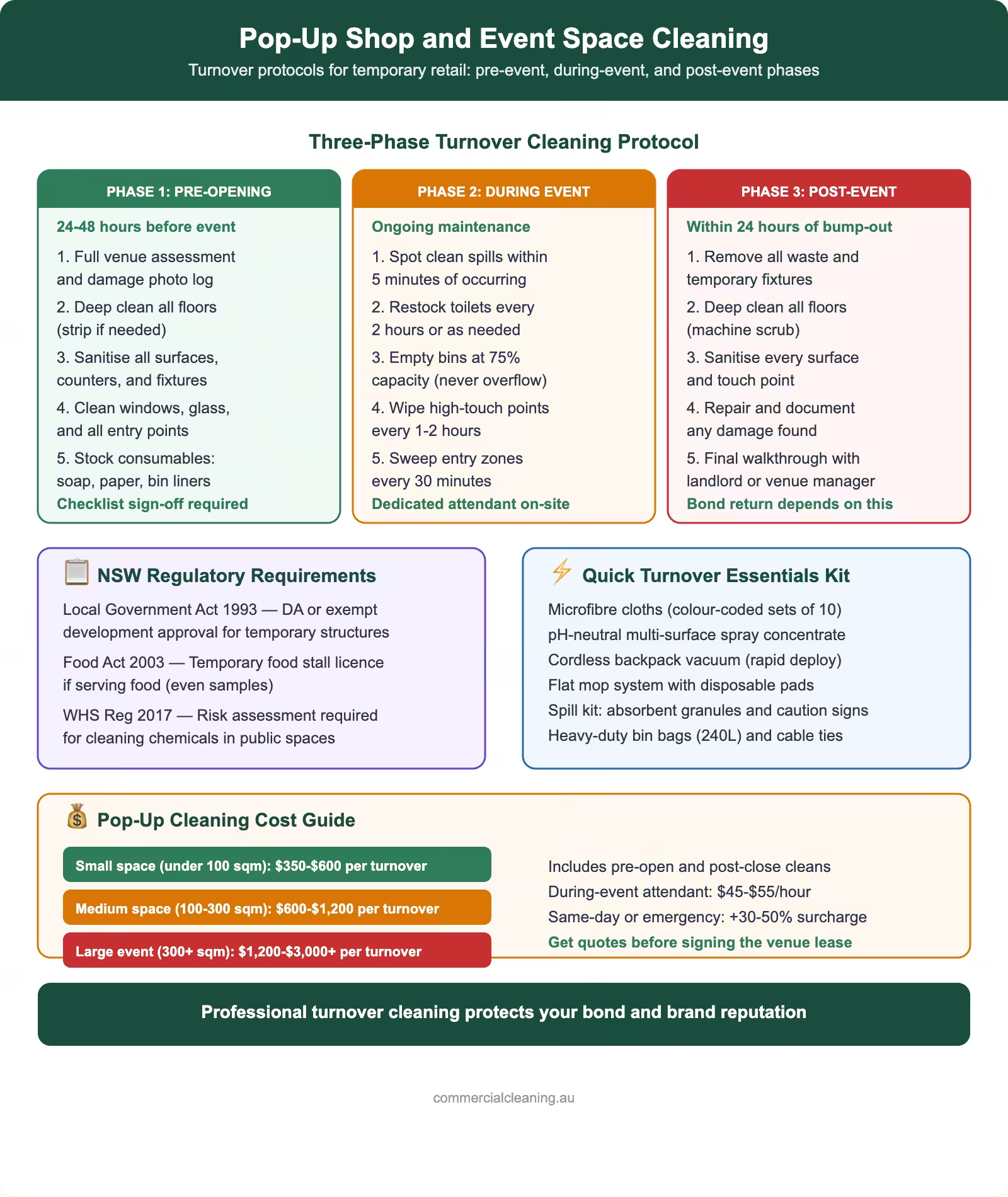
Pop-up shop and event space cleaning guide showing three-phase turnover protocol, regulatory requirements, essential cleaning kit, and cost guide
Understanding Pop-Up and Event Space Turnover Cleaning
Pop-up and event space cleaning isn’t just about wiping surfaces. It’s a staged process governed by venue contracts, local council Development Applications (DAs), and WHS Act 2011 compliance. Each pop-up has a pre-opening brief, a during-event maintenance window, and a post-event strip phase. Missing any of these means liability, damage charges, or penalties.
Turnover cleaning for temporary retail involves removing all branding (vinyl wraps, modular wall systems, signage), eliminating adhesive residue, deep-cleaning flooring (polished concrete, epoxy, or carpet), and restoring the venue to its agreed baseline state. SafeWork NSW SWMS documentation becomes critical when using electrostatic sprayers or chemical cleaners in occupied spaces.
We’ve worked on everything from 48-hour market takeovers at Carriageworks to multi-week seasonal installations at Darling Harbour. The common thread: speed, precision, and zero tolerance for shortcuts. Venues like ICC Sydney and Barangaroo have strict make-good checklists. Our protocols align with those expectations every time.
Regulatory Requirements for Temporary Retail in NSW
New South Wales has three layers of regulation affecting pop-up cleaning: the Retail Leases Act 1994 NSW (which defines “make-good” obligations), WHS Act 2011 (worker safety when handling chemicals or working at height), and EPA NSW guidelines on waste tracking and hazardous material disposal.
When you occupy a temporary space, you inherit a duty of care. If your event leaves behind damage—scuffed polished concrete, adhesive on vinyl wrap, or carpet staining—you’re liable. The Retail Leases Act 1994 NSW places responsibility on the tenant to return the space in good condition. SafeWork NSW SWMS documentation is required if your cleaning involves more than standard wet-mopping or dusting.
Regulation
Impact on Pop-Up Cleaning
Our Approach
Retail Leases Act 1994 NSW
Make-good clauses define acceptable condition; failure = security deposit loss
Worker safety; chemical use, height work, hazard exposure must be documented
SafeWork NSW SWMS for all chemical cleaning; toolbox talks on-site
EPA NSW Waste Tracking
Disposal of adhesive solvents, epoxy residue, and modular materials must be documented
Waste manifests, licensed disposal, chain-of-custody for hazardous waste
Council DAs (Development Applications)
Some temporary structures require DA approval; cleaning must not breach conditions
Review DA before cleaning begins; confirm scope with venue management
EPA NSW waste tracking applies when you dispose of adhesive solvents (isopropyl alcohol, Goo Gone, orange-based products) or hazardous residue. We maintain waste manifests for every job and work with licensed disposal partners to verify EPA NSW compliance.
Pre-Opening Clean: Making the Space Event-Ready
The pre-opening clean sets the tone for your entire event. It’s the last chance to catch structural issues, stains, or pest activity before customers arrive. A rough venue—dusty corners, scuffed walls, or sticky flooring—undermines your brand before anyone sees your product.
Our pre-opening protocol starts with a walk-through using the venue’s make-good checklist as baseline. We photograph the condition of all surfaces: polished concrete, epoxy flooring, carpet, walls. This creates accountability for both parties. Next, we tackle the space systematically: dust overhead structures, wipe down all fixed surfaces, vacuum and extract carpet (if applicable, using AS/NZS 3733 standards), and mop floors with rapid-dry cleaning agents to avoid slip hazards under AS 4586.
For modular wall systems and temporary fit-outs, we inspect for loose panels, gaps, or sharp edges that could damage stock or create WHS risks. Adhesive residue from previous installations gets addressed with appropriate solvents—isopropyl alcohol for light marks, Goo Gone for medium buildup, or orange-based solvents for stubborn vinyl wrap adhesive.
At Surry Hills pop-ups and Newtown market spaces, the pre-opening window is often tight (4–6 hours before doors open). We’ve learned to batch tasks: team one handles flooring while team two tackles walls and fixtures. By coordinating with SafeWork NSW protocols, we avoid bottlenecks and deliver a showroom-ready space on time.
During-Event Maintenance Protocols
During-Event Maintenance Protocols includes specific protocols that we tailor to each facility based on its layout, traffic, and compliance requirements. Pop-up events aren’t static. Foot traffic, spills, and surface wear happen over hours or days. Our maintenance protocols keep the space looking fresh without disrupting trading. This is where rapid-dry cleaning agents and spot-cleaning frequencies make the difference.
We schedule maintenance visits based on event footfall and venue contract terms. A high-traffic market at Barangaroo might need hourly floor spot-checks and perimeter wipe-downs every 2–3 hours. A slower Paddington gallery pop-up might need daily mid-point tidying and nightly floor checks.
Electrostatic sprayers are game-changers for event spaces: they coat high-touch areas (counters, railings, door handles) with disinfectant without leaving wet residue or slip hazards. SafeWork NSW SWMS governs their use—training, ventilation, and PPE are non-negotiable. We train operators on-site and document all sessions.
Event Duration
Maintenance Frequency
Focus Areas
Full-day (8–12 hrs)
Hourly floor checks, 2-hourly counter wipes
Flooring, point-of-sale, mirrors, windows
Multi-day (3–7 days)
Mid-point deep-clean, nightly spot-cleans
Flooring, walls, HVAC filters, restrooms
Extended (2+ weeks)
Weekly deep-clean, daily spot-maintenance
All surfaces, waste management, air quality
At venues like ICC Sydney and Royal Randwick Racecourse, multiple events run back-to-back. Coordination with venue staff ensures our teams don’t interfere with setups or breakdowns. We work around event logistics and communicate via SafeWork NSW incident reporting protocols if any hazards emerge during maintenance.
Post-Event Strip and Make-Good Obligations
The post-event strip is where pop-up cleaning becomes a true technical service. You must remove all trace of your occupancy: vinyl wraps, adhesive, modular walls, temporary flooring, and branding. The Retail Leases Act 1994 NSW make-good clauses are specific—failure costs security deposits and risks legal action.
Our post-event protocol begins the moment your event closes. We photograph the space again (documenting condition at handover) and begin systematic removal. Vinyl wraps come off using heat guns and plastic scrapers to avoid floor damage. Adhesive residue is treated with isopropyl alcohol or Goo Gone depending on substrate and buildup severity. Modular wall systems are dismantled and removed by our crew or coordinated removal partners.
Polished concrete requires careful attention: we use pH-neutral cleaners to avoid etching and micro-abrasive pads if scuffing has occurred. Epoxy flooring gets spot repairs where traffic has worn the finish. Carpet extraction follows AS/NZS 3733 standards, with low-moisture or hot-water methods depending on soil type and venue specifications.
By the end of the strip phase, the space should match or exceed its pre-occupancy baseline. We conduct a final walk-through with venue management, photographically document compliance, and provide a signed make-good certificate. This protects you if disputes arise over deposits or damage charges under the Retail Leases Act 1994 NSW.
We’ve handled post-event strips at Carriageworks, Sydney Olympic Park, and The Rocks Markets. Each venue has unique specifications for polished concrete finishes, epoxy durability expectations, and modular wall reset. Our experience across these high-profile Sydney locations means no surprises.
Surface-Specific Cleaning for Temporary Fit-Outs
Surface-Specific Cleaning for Temporary Fit-Outs targets specific protocols that we tailor to each facility based on its layout, traffic, and compliance requirements. Temporary retail spaces vary dramatically in materials. One venue might have polished concrete, another epoxy flooring, a third plywood/MDF temporary structures. Each requires different techniques to avoid damage while meeting cleanliness standards.
Polished Concrete: Sealed polished concrete is sensitive to acidic cleaners and abrasive scrubbing. We use pH-neutral detergents and soft microfibre pads. If scuffing has occurred, light burnishing with low-speed floor pads restores finish without aggressive grinding. Moisture control is critical—polished concrete can etch if water sits too long.
Epoxy Flooring: Epoxy is durable but can yellow under UV or darken if stained. We use epoxy-safe cleaners (typically alkaline rather than acidic) and avoid harsh solvents that can soften the coating. Spillage during events (food, beverages, oils) needs immediate attention to prevent permanent discolouration. In our experience at Barangaroo’s event spaces, we’ve found that rapid response to food and beverage spills within the first 2 hours makes the difference between a complete recovery and permanent staining.
Carpet (AS/NZS 3733 Extraction Standards): Temporary installations often use rental carpet over existing floors. We follow AS/NZS 3733 standards for extraction: low-moisture methods preferred (120°C hot water), residual moisture under 20% to avoid mildew. Stain treatment varies by type—organic (food, blood) versus synthetic (ink, paint). We test solvents on inconspicuous areas first.
Plywood/MDF Temporary Structures: These materials are porous and moisture-sensitive. Wet cleaning is minimal—primarily dry-dust and spot-wipe with barely damp cloths. Adhesive removal is the priority: isopropyl alcohol for light residue, Goo Gone for heavy buildup, but always test on hidden areas first to avoid finish damage.
Vinyl Wrap Removal: Adhesive left behind can be stubborn. Heat guns applied at low-medium temperature soften adhesive without damaging underlying surfaces. Once wrap is removed, residue gets treated with orange-based solvents or specialised adhesive removers. Final wipe-down uses isopropyl alcohol to eliminate oily residue.
Working with Major Sydney Venues: ICC Sydney, Royal Randwick and Beyond
Working with Major Sydney Venues focuses on specific protocols that we tailor to each facility based on its layout, traffic, and compliance requirements. Sydney’s premier venues have specific cleaning protocols. ICC Sydney, Royal Randwick Racecourse, Sydney Olympic Park, Barangaroo, and Darling Harbour each have detailed make-good specifications and access restrictions. We’ve built relationships with venue management across all of them, which saves time and prevents compliance breaches.
ICC Sydney hosts conferences, product launches, and trade shows. Access is restricted: we coordinate cleaning during setup windows (typically early morning or late evening). Flooring is polished concrete requiring pH-neutral care. Modular wall systems must be dismantled without damaging fixed structures. Post-event, we work around concurrent event breakdowns—timing is precision work.
Royal Randwick Racecourse uses a mix of polished concrete and epoxy in event spaces. Racing events generate high foot traffic and specific staining (mud, grass, spill residue). Our protocols address turf management spillover into indoor spaces. Venue staff coordinate access, and we maintain WHS compliance around racing operations.
Sydney Olympic Park encompasses multiple venues with different flooring: some polished concrete, some epoxy, some sealed hardwood. Temporary structures are common (modular walls, prefab stages). We’ve developed separate protocols for each zone. Make-good checklists are detailed—missing a single scuff mark can flag a non-compliance.
Barangaroo and Darling Harbour are high-traffic precincts with mixed-use venues. Temporary pop-ups share spaces with permanent retail. Waste management is strict (EPA NSW tracking required). We coordinate waste collection with venue partners and maintain manifests for all hazardous disposal.
The Rocks Markets and Carriageworks are heritage-listed, which adds constraints. Adhesive solvents must be low-VOC or biodegradable to meet environmental standards. Temporary structures can’t damage original timber or stonework. Our team understands these restrictions and plans accordingly.
Surry Hills, Newtown, Paddington, Pyrmont, Alexandria, and Marrickville host growing numbers of pop-up retail spaces. Venues vary widely—some are heritage buildings, others modern industrial spaces. We’ve cleaned in all of them and understand local council DA requirements and building restrictions for each suburb.
Frequently Asked Questions
How long does a post-event make-good clean usually take?
Duration depends on space size, occupancy length, and surface types. A small pop-up (100–200 m²) with light use: 4–6 hours. A multi-week installation with adhesive buildup and modular structures: 2–3 days. We provide time estimates during initial site assessment and break work into phases if needed.
What if adhesive residue won’t come off with standard solvents?
Stubborn residue (aged vinyl adhesive, multilayer buildup) may require stronger solvents or specialised tools. We trial isopropyl alcohol, Goo Gone, and orange-based products in sequence. For extreme cases, we use low-speed abraders with soft pads on polished concrete or epoxy—but this is rare. Prevention (careful vinyl application, rapid removal post-event) is always better than aggressive remediation.
Are you certified for chemical cleaning under SafeWork NSW?
Yes. Our team holds current SafeWork NSW SWMS training for chemical application, electrostatic spraying, and hazardous waste handling. We maintain training records and conduct on-site toolbox talks before any high-risk cleaning. WHS Act 2011 compliance is built into every job.
What happens if the venue’s make-good checklist is unclear or contradictory?
We ask for clarification in writing before work begins. If specifications are vague, we photograph the baseline condition and agree on acceptance criteria with venue management. This avoids disputes later. If conflicts arise post-cleaning, photographic evidence and signed-off checklists protect both parties.
Do you handle waste disposal for cleaning residue and removed materials?
Yes. We manage EPA NSW waste tracking for adhesive solvents, chemical residue, and removed modular materials. Licensed disposal partners handle hazardous waste. You receive waste manifests confirming proper disposal. This ensures EPA NSW compliance and protects you from liability.
Working with shopping centre cleaning contracts tendering requires the same precision we bring to pop-up retail. Temporary spaces demand flexibility and rapid response. We’ve proven ourselves across ICC Sydney, Royal Randwick, Barangaroo, and dozens of Sydney venues. If you’re planning a pop-up or managing a temporary retail event, contact us early—planning beats last-minute panic every time.
About Clean Group
Clean Group is a leading commercial cleaning company in Sydney, providing professional cleaning services to offices, strata buildings, medical facilities, schools, gyms, and retail spaces across the greater Sydney region. With over 25 years of experience and a commitment to WHS compliance, eco-friendly practices, and consistent quality, Clean Group delivers tailored cleaning solutions backed by a 100% satisfaction guarantee.
Hi, I'm Suji Siv, the founder, CEO, and Managing Director of Clean Group, bringing over 25 years of leadership and management experience to the company. As the driving force behind Clean Group’s growth, I oversee strategic planning, resource allocation, and operational excellence across all departments. I am deeply involved in team development and performance optimization through regular reviews and hands-on leadership.