Workplace hygiene standards have become significantly more important as Australian organisations recognise the link between a clean office environment and employee health, productivity, and engagement. Whether you manage a small office or a large commercial building, maintaining proper hygiene standards reflects on your organisation’s professionalism and demonstrates a genuine commitment to staff wellbeing. As specialists in commercial office cleaning company services, we’ve developed a thorough workplace hygiene checklist for facility managers, business owners, and HR professionals across Sydney and beyond.
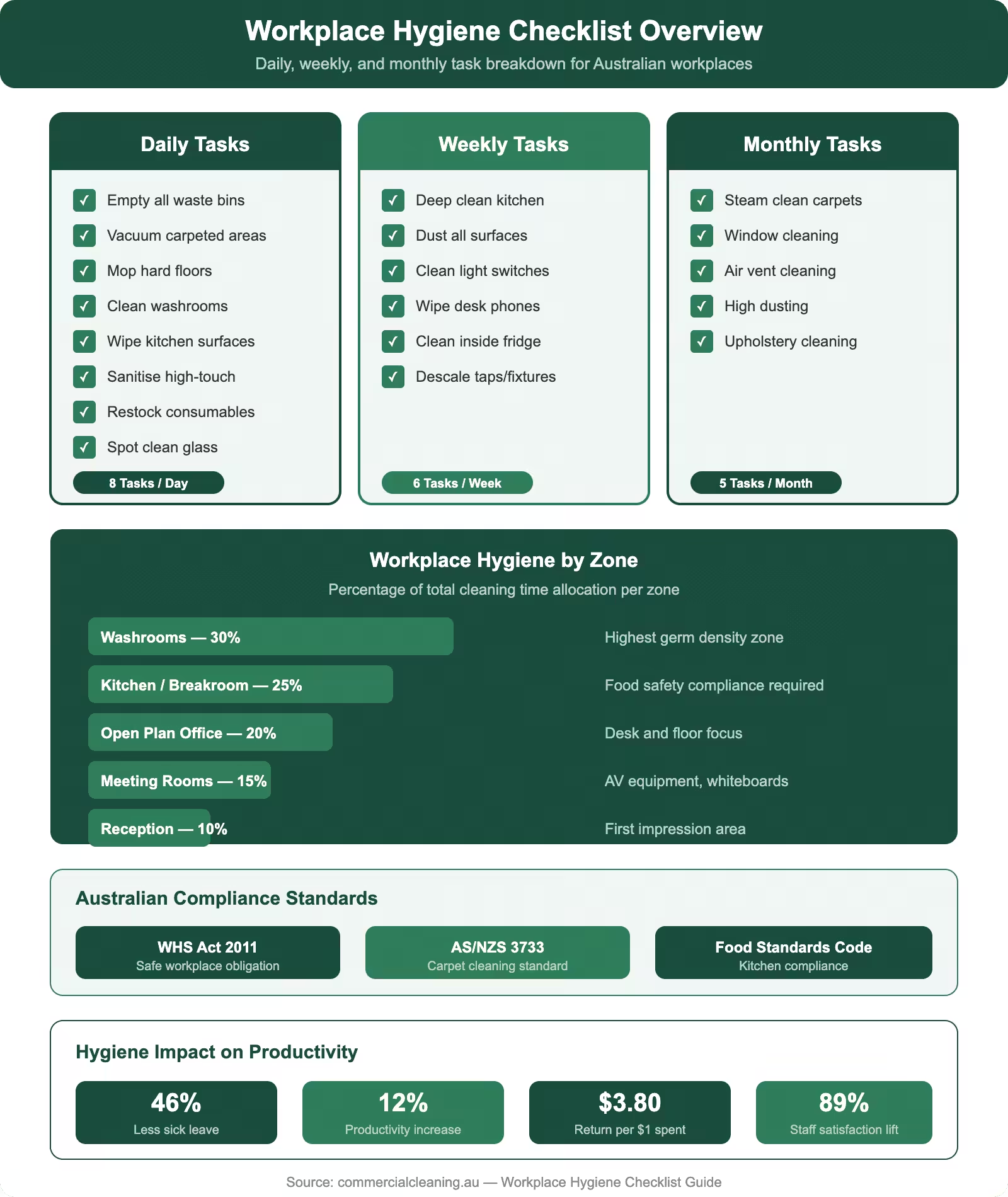
Workplace hygiene checklist showing daily, weekly, and monthly tasks with zone-based cleaning time allocation and Australian compliance standards
Why Workplace Hygiene Matters
Why Workplace Hygiene Matters covers specific protocols that we tailor to each facility based on its layout, traffic, and compliance requirements. A clean, well-maintained office environment directly impacts employee health, morale, and productivity. The Health and Safety at Work Act 2011 (NSW) places responsibility on employers to provide safe and healthy workplaces. This includes maintaining clean facilities, proper ventilation, and sanitation standards. Beyond legal compliance, a hygienic workplace reduces sick leave, supports employee retention, and strengthens your organisation’s reputation.
Poor workplace hygiene contributes to illness transmission, respiratory issues, fatigue, and eye strain. Dust accumulation on equipment, inadequate keyboard and mouse sanitisation, poor air quality, and insufficient lighting can spread bacterial and viral infections and undermine employee wellbeing. The cost of increased sick leave and reduced productivity far exceeds the investment in regular, thorough cleaning.
Daily Cleaning Tasks
Establish a daily cleaning routine that maintains baseline hygiene across your workplace:
Download Your Workplace Hygiene Checklist (PDF) Use this printable checklist covering daily, weekly, and monthly cleaning tasks for Australian offices.
Download PDF Checklist
Empty waste bins: remove paper scraps, food waste, and other rubbish from all areas. Daily removal prevents odours, pest attraction, and clutter accumulation
Sanitise high-touch surfaces: keyboards, mice, monitor edges, desks, door handles, lift buttons, stair railings, and shared equipment. Use hospital-grade disinfectant on common areas to reduce infection transmission
Clear desk areas: tidy communal spaces and encourage staff to secure personal items. This prevents overnight clutter and creates a fresh start each morning
Quick floor sweep or vacuum: focus on high-traffic areas, under desks, kitchen areas, and reception. Remove dust, debris, and food residue
Monitor for spills: address any spills immediately to prevent staining, bacterial growth, and slip hazards
Restock hygiene supplies: confirm hand wash dispensers, paper towels, and sanitiser are available in all areas
Daily tasks establish baseline standards that prevent hygiene deterioration and reduce the workload of deeper weekly cleaning.
Weekly Deep-Cleaning Checklist
Once weekly, conduct more thorough cleaning across office areas:
Task
Frequency
Method
Time Required
Clean all monitors and screens
Weekly
Microfibre cloth, optional screen cleaner (avoid water and harsh chemicals)
15 min
Sanitise keyboards and mice
Weekly
Hospital-grade disinfectant wipes; allow to dry completely
15 min
Dust all desk surfaces
Weekly
Microfibre cloth, dusting spray if needed
20 min
Clean shared kitchen areas
Weekly
Wipe benches, sink, appliances, handles, and tap with appropriate cleaner
30 min
Sanitise door handles, railings, lifts
Weekly
Hospital-grade disinfectant; pay attention to high-touch points
20 min
Vacuum carpets and sweep hard floors
Weekly
Commercial-grade vacuum (carpet); broom and mop (hard floors) throughout office
45 min
Clean light fixtures and switches
Weekly
Wipe light switches, ceiling fixtures, and wall-mounted items
15 min
Empty and sanitise waste bins
Weekly
Remove, wash, and disinfect all bins; line with fresh liners
20 min
Clean windows and sills
Weekly
Interior windows, sills, and glass surfaces in reception and main areas
20 min
Check air quality and ventilation
Weekly
Inspect HVAC intake vents, grilles, and air diffusers for blockages or dust
10 min
Monthly Deep-Cleaning Tasks
Once monthly, allocate dedicated time for intensive cleaning across your premises:
Deep clean computer equipment: disassemble keyboards if possible, clean between keys and under keycaps using compressed air. Clean mouse feet, underside, and sensor. Remove dust from monitor vents and cable management systems
Wipe down walls, baseboards, and skirting boards: use appropriate cleaner for wall type. Baseboards accumulate dust, hair, and debris and should be cleaned thoroughly
Clean air vents and HVAC systems: remove dust from return air grilles, intake vents, and visible ductwork. Poor air circulation impacts air quality and spreads contaminants
Deep clean flooring: shampoo carpets if they show signs of soiling, or use commercial-grade floor cleaner on hard floors. Strip and rewax hard floors if your maintenance schedule requires it
Move furniture and equipment: clean behind desks, under chairs, and shelves. This removes accumulated dust and debris that daily cleaning misses
Clean and sanitise shared equipment: printers, photocopiers, phone handsets, and video conference equipment. These are high-touch areas that accumulate bacteria
Check for pest activity: inspect for signs of pest infestation—droppings, damage to wiring or structure, odours. Address immediately if detected
Workplace Ergonomics and Hygiene Standards
Workplace Ergonomics and Hygiene Standards addresses specific protocols that we tailor to each facility based on its layout, traffic, and compliance requirements. Physical comfort and ergonomics directly impact employee health and absenteeism. Proper desk height, chair support, and monitor positioning reduce fatigue, eye strain, and repetitive strain injuries. A clean, organised workspace also supports mental clarity and reduces stress.
We recommend conducting quarterly ergonomic assessments. Check that monitors are at eye level, chairs provide proper lumbar support, keyboards are at comfortable heights, and lighting minimises glare and shadows. The SafeWork NSW website provides detailed guidance on workstation setup and ergonomics. Poor ergonomics compound the effects of a dusty or poorly-maintained environment and may increase workers compensation claims.
Air Quality and Ventilation
Indoor air quality directly affects employee health, productivity, and absenteeism. Poor ventilation, dust accumulation, and stale air can cause fatigue, headaches, and respiratory irritation. Commercial buildings require active air management through HVAC systems, but many offices neglect filter maintenance and duct cleaning.
Improve air quality through several strategies: maintain HVAC systems on a regular schedule (filter replacement, duct inspection, coil cleaning). Open windows when weather permits to introduce fresh air. Keep intake vents and return air grilles clear of obstruction. Minimise dust through consistent cleaning routines. If your building has air quality monitoring systems, check readings regularly. Consider air purifiers with HEPA filtration in high-traffic areas or for staff with respiratory sensitivities.
Lighting and Eye Health
Poor lighting contributes to eye strain, headaches, fatigue, and reduced productivity. Employees typically spend 8+ hours daily in front of screens, making quality lighting non-negotiable. Inadequate lighting forces eyes to work harder, and glare from direct sunlight or improper artificial lighting adds stress and reduces visual acuity.
Use a combination of ambient (general room) lighting and task lighting (directed at work areas). Position monitor screens to avoid glare from windows or overhead lights. Use adjustable desk lamps to suit different times of day and seasons. Maintain monitors at arm’s length and at or slightly below eye level to reduce neck and eye strain. Position window blinds to reduce direct glare. Keep all lighting fixtures clean—dust on fixtures reduces brightness by up to 20 percent. Regular cleaning of screens and surfaces also improves visual clarity.
Pest and Food Waste Management
Food scraps and drink residue in offices attract pests and create odours. Establish clear guidelines: no food storage at workstations, immediate removal of food waste, and daily sanitisation of shared kitchen areas and break rooms.
Keep desk waste bins small and empty daily. Verify all food waste goes into sealed containers or is removed to designated areas. Clean and disinfect shared kitchen appliances, benchtops, and dining tables daily. Address spills immediately to prevent bacterial growth and pest attraction. Regular pest inspections (quarterly or as needed) help identify issues before they become problems. If you notice signs of pest activity—droppings, odours, damaged wiring—contact a licensed pest controller immediately.
Meeting Rooms and Shared Spaces
Meeting rooms and shared spaces require heightened attention because multiple staff use them throughout the day, increasing contamination risk. High-touch surfaces in these areas—table edges, chair arms, door handles, light switches, video conference equipment—should be sanitised multiple times daily.
Clean tables and chairs after each meeting. Wipe down whiteboards, glass surfaces, and technology interfaces. Make sure adequate ventilation between meetings (open windows or run HVAC systems). Stock sanitiser dispensers and encourage staff to clean shared equipment before and after use. Consider reserving meeting rooms to allow adequate break time for cleaning. Video conference equipment (cameras, microphones, screens) should be sanitised weekly with appropriate, non-damaging solutions.
Furniture and Upholstery Care
Furniture and Upholstery Care requires specific protocols that we tailor to each facility based on its layout, traffic, and compliance requirements. Office furniture (chairs, desks, shelving, soft furnishings) accumulates dust and requires regular maintenance. Chair upholstery should be vacuumed monthly using upholstery attachments to remove dust, food crumbs, and hair. Wooden furniture should be dusted weekly and polished monthly if appropriate for the finish. Metal components (desk legs, chair bases, shelf brackets) should be wiped to prevent rust and maintain appearance.
Proper furniture care extends lifespan and maintains hygiene standards. Neglected upholstery harbours dust mites, allergens, and bacteria that aggravate respiratory issues and increase sick leave. Consider professional upholstery cleaning annually or biannually depending on usage and traffic.
Frequently Asked Questions
What workplace hygiene standards does the Health and Safety at Work Act require?
The Health and Safety at Work Act 2011 (NSW) requires employers to check that, so far as reasonably practicable, the safety, health, and welfare of workers at work. This includes maintaining clean facilities, providing safe systems of work, and managing hazards. SafeWork NSW provides detailed guidance on workplace hygiene, ventilation, ergonomics, and other standards. We recommend reviewing SafeWork NSW resources regularly and conducting workplace safety audits.
How often should high-touch surfaces be sanitised in commercial offices?
Daily at minimum, and multiple times daily in high-traffic areas or during illness outbreaks. High-touch surfaces include door handles, lift buttons, stair railings, keyboards, mice, phone handsets, and meeting room equipment. Use hospital-grade disinfectant and allow surfaces to dry completely. In shared spaces like meeting rooms and break areas, sanitise after each use if possible. This significantly reduces infection transmission.
What’s the best approach to manage air quality in a commercial office?
Maintain your HVAC system on a regular schedule: replace filters monthly or quarterly depending on air quality, have ducts inspected annually, and confirm coils are clean. Open windows when weather permits to introduce fresh air. Keep intake vents and return air grilles clear of obstruction. Minimise dust through regular cleaning. Monitor indoor air quality if you have monitoring systems available. Consider portable air purifiers with HEPA filtration in high-traffic areas or for staff with respiratory sensitivities. Poor air quality impacts productivity and increases sick leave significantly.
How do we prevent pest infestations in commercial workspaces?
Prevent pest infestations through consistent food waste management, daily bin emptying, regular deep cleaning, and professional pest inspections. Remove all food scraps immediately. Store food in sealed containers. Clean and disinfect kitchen areas daily. Conduct quarterly pest inspections or more frequently if you have concerns. Keep all areas free of clutter and debris. Seal cracks, gaps, and potential entry points. If you notice signs of pest activity—droppings, odours, damaged wiring, or pest sightings—contact a licensed pest controller immediately.
What’s the impact of poor workplace hygiene on employee productivity and health?
Poor workplace hygiene increases sick leave, reduces productivity, and lowers employee morale. Dust accumulation, inadequate ventilation, and poor sanitation spread bacterial and viral infections. Eye strain from poor lighting reduces focus and causes headaches. Unpleasant odours and visible dirt create stress and discomfort. Conversely, clean, well-maintained workplaces support employee health, engagement, and retention. The investment in regular cleaning and facility maintenance returns dividends through reduced absenteeism, higher productivity, and improved workplace culture.
Maintaining proper workplace hygiene doesn’t require intensive effort—it requires consistent procedures and accountability. Daily desk and surface clearing, weekly deep cleaning, and monthly intensive maintenance keep commercial workspaces functional, professional, and healthy. The investment pays dividends in employee health, productivity, retention, and compliance with workplace safety obligations under the Health and Safety at Work Act 2011. If you’re managing multiple properties or need professional assessment of your cleaning standards and compliance, our team can provide tailored cleaning programs and consultation. For broader insights into commercial office cleaning standards, explore our cleaning KPIs guide for commercial properties.
About Clean Group
Clean Group is a leading commercial cleaning company in Sydney, serving offices, strata properties, medical centres, schools, and industrial facilities across the greater Sydney region. With over 25 years of experience and a team of fully trained, insured cleaners, we deliver consistent results backed by a 100% satisfaction guarantee. Our services are tailored to your schedule, your budget, and your industry’s compliance requirements.
Hi, I'm Suji Siv, the founder, CEO, and Managing Director of Clean Group, bringing over 25 years of leadership and management experience to the company. As the driving force behind Clean Group’s growth, I oversee strategic planning, resource allocation, and operational excellence across all departments. I am deeply involved in team development and performance optimization through regular reviews and hands-on leadership.