Vinyl flooring is ubiquitous in Sydney commercial spaces because it’s affordable, durable, and attractive. But like all floor coverings, vinyl requires proper maintenance to extend its lifespan and keep your facility looking professional. Improper cleaning can actually damage vinyl, causing discolouration, warping, and premature degradation. Our office cleaning services include specialised vinyl floor care that protects your investment while keeping surfaces pristine. Let’s explore what makes vinyl different and how to maintain it correctly.
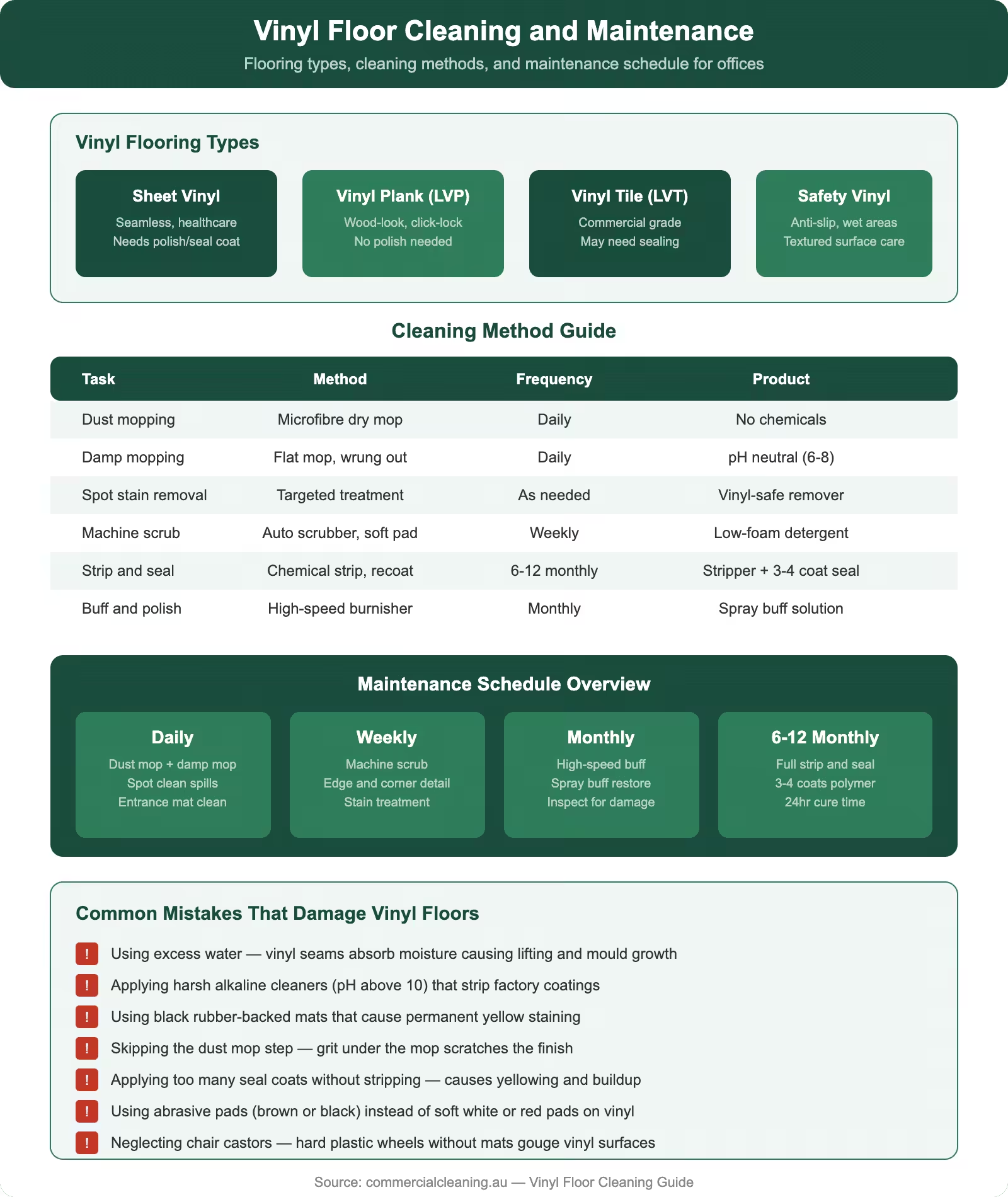
Vinyl floor care and maintenance guide showing types, cleaning schedule and damage prevention tipsVinyl floor cleaning and maintenance guide showing flooring types, cleaning methods, maintenance schedule, and common mistakes to avoid
Understanding Vinyl Flooring Types
Understanding Vinyl Flooring Types covers specific protocols that we tailor to each facility based on its layout, traffic, and compliance requirements. Vinyl isn’t a single product. Different vinyl types require slightly different care approaches, and using the wrong method can damage your floors.
Luxury Vinyl Plank (LVP)
LVP mimics wood grain and has a realistic appearance. It’s popular in offices wanting a warmer aesthetic than traditional commercial vinyl. LVP is durable but can be sensitive to moisture and requires careful sealing at edges and seams.
Vinyl Sheet Flooring
Continuous vinyl sheets with minimal seams make maintenance easier and are common in kitchens, medical facilities, and high-moisture areas. Seams require regular inspection to prevent water ingress.
Vinyl Composition Tile (VCT)
Traditional commercial VCT is cost-effective and easy to replace in sections. It typically requires more frequent polishing and buffing than modern alternatives, but remains popular in budget-conscious facilities.
Regardless of type, vinyl shares common care principles that protect the surface and extend lifespan.
Why Vinyl Floors Need Specialist Care
Why Vinyl Floors Need Specialist Care involves specific protocols that we tailor to each facility based on its layout, traffic, and compliance requirements. Vinyl is more delicate than concrete or polished stone. Common commercial cleaning mistakes can permanently damage vinyl:
Excessive water: Over-wetting vinyl, especially sheet flooring and LVP, can cause warping and allow moisture beneath the surface
Acidic cleaners: Harsh acids (like tile cleaner concentrate) etch vinyl and cause discolouration
Abrasive pads: Rough scrubbing or aggressive equipment removes the protective wear layer
Neglected spills: Sticky residue, oil, and organic material harden into vinyl’s texture and require specialist removal
We’ve found that the majority of vinyl damage in Sydney offices stems from using standard hard-floor cleaning methods without understanding vinyl’s specific requirements. Specialist care prevents this damage and maintains your floor’s appearance for its full lifespan.
Daily and Weekly Vinyl Floor Maintenance
Daily and Weekly Vinyl Floor Maintenance requires specific protocols that we tailor to each facility based on its layout, traffic, and compliance requirements. Consistent routine maintenance prevents dirt accumulation and reduces the need for aggressive deep cleaning.
Daily: Sweep or vacuum with a soft-brush head. Loose debris prevents scratching when you later mop.
Daily spot-cleaning: Address spills immediately. For sticky residue, use a damp cloth with pH-neutral cleaner. Never pour liquid directly onto vinyl.
Weekly: Damp mop with vinyl-specific cleaner diluted in warm water. Use minimal moisture—the mop should be damp, not wet. Wring it out thoroughly.
Weekly in high-traffic areas: Some facilities need twice-weekly damp mopping in entry areas or corridors with heavy footfall.
The key is moisture control. Unlike tile or concrete, vinyl flooring cannot tolerate standing water or excessive dampness. A well-wrung mop prevents water seeping into seams and causing swelling or mould growth beneath the surface.
Deep Cleaning Vinyl Floors: Professional Methods
Deep Cleaning Vinyl Floors includes specific protocols that we tailor to each facility based on its layout, traffic, and compliance requirements. Monthly or quarterly deep cleaning removes embedded dirt and restores appearance. Unlike routine mopping, deep cleaning requires specialist knowledge to avoid damage.
Low-Moisture Extraction
Our preferred method uses specialised machines that apply minimal water combined with powerful suction, extracting dirt without saturating the vinyl. This is safe for all vinyl types, including LVP and sheet flooring.
Vinyl-Safe Chemical Treatments
We apply only pH-neutral, vinyl-specific cleaners that dissolve dirt without etching or discolouring the surface. Never use general-purpose acid cleaners, bleach, or alkaline products on vinyl.
Seam and Edge Inspection
Professional deep cleaning includes inspection of seams and edges for water infiltration risk. We’ll identify compromised sealant and recommend resealing before problems develop.
Vinyl Floor Maintenance Comparison addresses specific protocols that we tailor to each facility based on its layout, traffic, and compliance requirements. Vinyl in bathrooms, kitchens, and medical facilities faces elevated moisture exposure. Preventive measures protect your investment.
Seam sealing: Professional sealing of all seams with vinyl-compatible sealant prevents water infiltration. This should be done at installation and refreshed annually in high-moisture zones.
Ventilation: Confirm your facility’s HVAC system maintains proper humidity levels (30-50% relative humidity). High humidity can cause vinyl swelling and promote mould beneath the surface.
Moisture barriers: In new installations or renovations, verify proper subfloor moisture barriers are installed. This prevents rising damp from affecting vinyl.
Regular inspection: Check for signs of moisture intrusion: soft spots, discolouration, or seam separation. Address these immediately.
Protecting Vinyl in High-Moisture Areas targets specific protocols that we tailor to each facility based on its layout, traffic, and compliance requirements. Our team has managed vinyl flooring in challenging environments across Sydney. Eastern Suburbs medical clinics, CBD office kitchens, and Parramatta facilities with humidity challenges have all benefited from our specialist moisture-management approach.
Common Vinyl Damage and Solutions
Common Vinyl Damage and Solutions focuses on specific protocols that we tailor to each facility based on its layout, traffic, and compliance requirements. Discolouration or dullness: Often caused by buildup of cleaning residue or improper product use. Deep cleaning with vinyl-safe chemicals typically restores appearance. For stubborn discolouration, professional refinishing may be required.
Scratches or gouges: Minor surface scratches are cosmetic and can be disguised with vinyl-safe polish. Deep gouges that expose the substrate may require section replacement if the damage is extensive.
Curling edges (especially LVP): Usually indicates moisture ingress from below. Address humidity, inspect seams, and make sure subfloor moisture barriers are intact. Professional refinishing or replacement may be necessary if curling is severe.
Mould or mildew: A sign of excessive moisture. Increase ventilation, address seam integrity, and use antifungal treatments during deep cleaning. Professional remediation is important to address the underlying moisture issue, not just symptoms.
Vinyl Floor Lifespan and Maintenance ROI
Commercial vinyl flooring typically lasts 10-25 years depending on traffic and maintenance. Luxury vinyl plank at the premium end, traditional VCT at the budget end. Proper maintenance routines add years to this lifespan while reducing overall cost of ownership.
In our experience, facilities investing in regular professional maintenance spend significantly less on repairs and replacements over the facility’s lifetime. Preventing moisture damage, sealing seams proactively, and using specialist cleaning methods are all cost-effective strategies.
Our vinyl floor maintenance services integrate with your broader facility strategy. We coordinate deep cleaning with your periodical maintenance schedule, ensuring your investment stays protected. We also help facilities transition between vinyl types or to alternative flooring, and provide specialist cleaning for cleaning specifications that vary across different facility areas.
Frequently Asked Questions
Can I use vinegar and water to clean vinyl?
No. Vinegar is acidic and will etch vinyl surfaces. Use pH-neutral cleaners specifically formulated for vinyl. If you must use a homemade solution, test it first on an inconspicuous area.
Is steam cleaning safe for vinyl?
Steam cleaning is risky for vinyl. High heat and moisture can cause warping, especially for LVP and sheet flooring. Stick to low-moisture extraction and pH-neutral chemical treatments.
How often should vinyl be professionally cleaned?
Standard commercial spaces benefit from monthly or quarterly deep cleaning. High-traffic areas may need more frequent attention. We assess your facility’s needs and recommend an appropriate schedule.
What’s the best vinyl cleaner?
Look for cleaners specifically labelled as vinyl-safe or pH-neutral. Avoid products with ammonia, bleach, or harsh solvents. We use professional-grade vinyl cleaners that are safe and effective.
Can damaged vinyl be repaired or does it need replacement?
Minor surface damage can often be repaired with polishing, refinishing, or spot repairs. Major damage typically requires section or full replacement. We can assess damage and advise on the most cost-effective solution.
About Clean Group
Clean Group is a leading commercial cleaning company in Sydney, serving offices, strata properties, medical centres, schools, and industrial facilities across the greater Sydney region. With over 25 years of experience and a team of fully trained, insured cleaners, we deliver consistent results backed by a 100% satisfaction guarantee. Our services are tailored to your schedule, your budget, and your industry’s compliance requirements.
Hi, I'm Suji Siv, the founder, CEO, and Managing Director of Clean Group, bringing over 25 years of leadership and management experience to the company. As the driving force behind Clean Group’s growth, I oversee strategic planning, resource allocation, and operational excellence across all departments. I am deeply involved in team development and performance optimization through regular reviews and hands-on leadership.