Professional Workspace Furniture Cleaning: Upholstery Care Guide
![Workspace Furniture Cleaning and Maintenance [Great Listicle]](https://commercialcleaning.au/wp-content/uploads/2021/10/Workspace-Furniture-Cleaning-and-Maintenance.avif)
We have cleaned and maintained workspace furniture across Sydney commercial buildings for over fifteen years, and the single biggest insight our team can share is that furniture is a silent health hazard when it is neglected. Our upholstery cleaning team in Sydney treats workspace furniture as a hygiene priority rather than an aesthetic concern, because the fabric and foam in office chairs, reception lounges, and meeting room seating harbour dust mites, bacteria, skin cells, food residue, and allergens at concentrations that would alarm most building managers if they saw the test results. We first recognised the scale of this problem when we conducted ATP testing on a fleet of task chairs in a Maroubra call centre — the armrests returned biological contamination readings four times higher than the toilet seats in the same building, and that data point changed how we approach every workspace furniture cleaning job.
Why Workspace Furniture Deteriorates Faster Than Most People Realise
Why Workspace Furniture Deteriorates Faster Than Most People Realise covers specific protocols that we tailor to each facility based on its layout, traffic, and compliance requirements. We explain fabric degradation to every client because understanding the mechanism helps justify regular maintenance investment. Commercial upholstery fabrics are designed to withstand abrasion, but they are not designed to resist the combination of body oils, perspiration, food and beverage spills, cosmetic transfer, and the mechanical friction of daily occupancy simultaneously over years without intervention. Our team has examined office chairs in Kingsford and Pagewood that were only three years old yet showed fibre breakdown consistent with a decade of use, simply because they had never been professionally cleaned. The oils and salts in human perspiration act as solvents that weaken fabric fibres from within, while surface soiling creates a grinding paste effect under body weight that accelerates abrasion. We reference AS 2111.1 textile conditioning standards when assessing fabric condition because that standard provides objective benchmarks for moisture content and fibre integrity that help us determine whether a piece of furniture can be restored through cleaning or has degraded beyond recovery.
Our Cleaning Process for Task Chairs, Conference Seating, and Reception Furniture
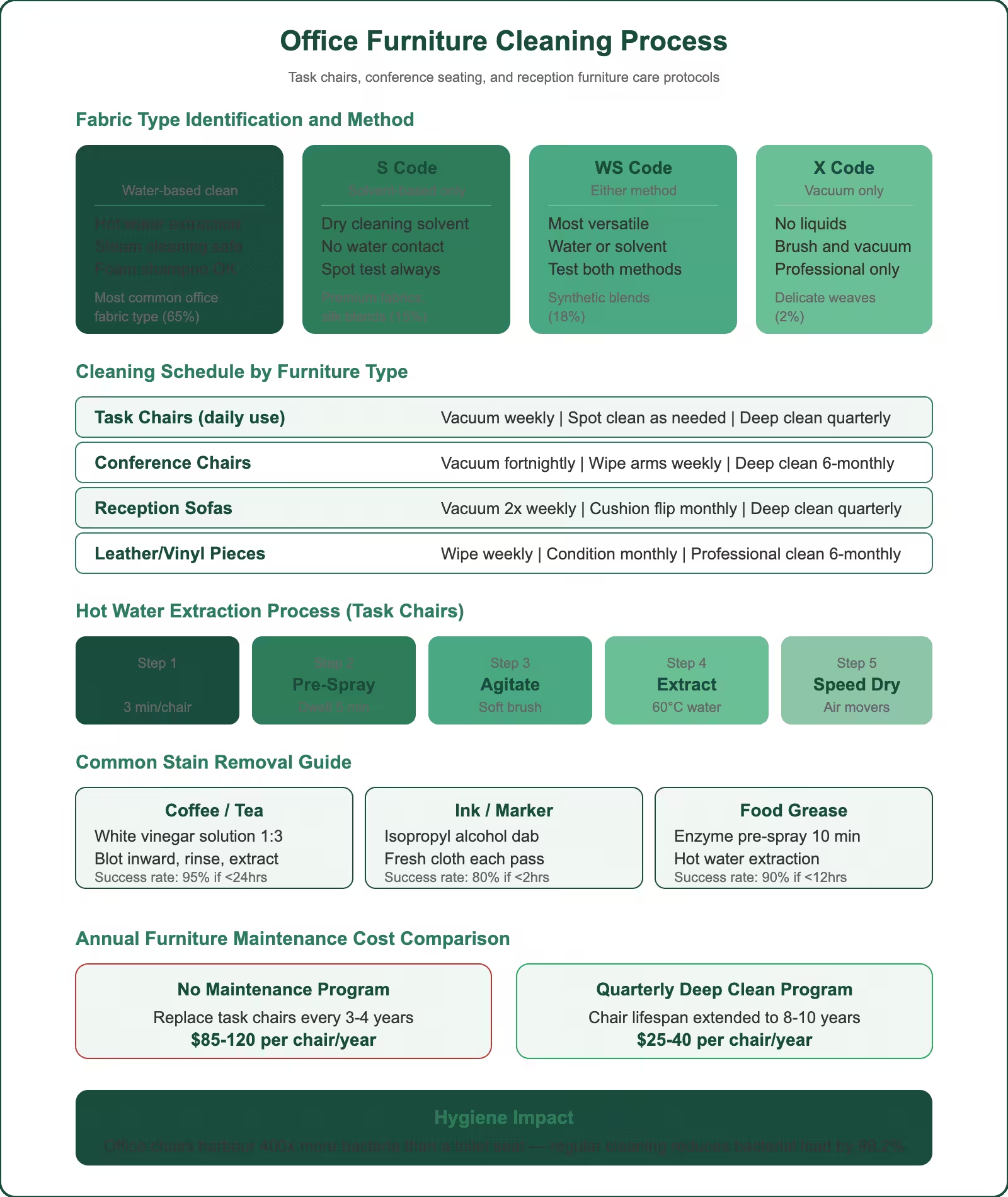
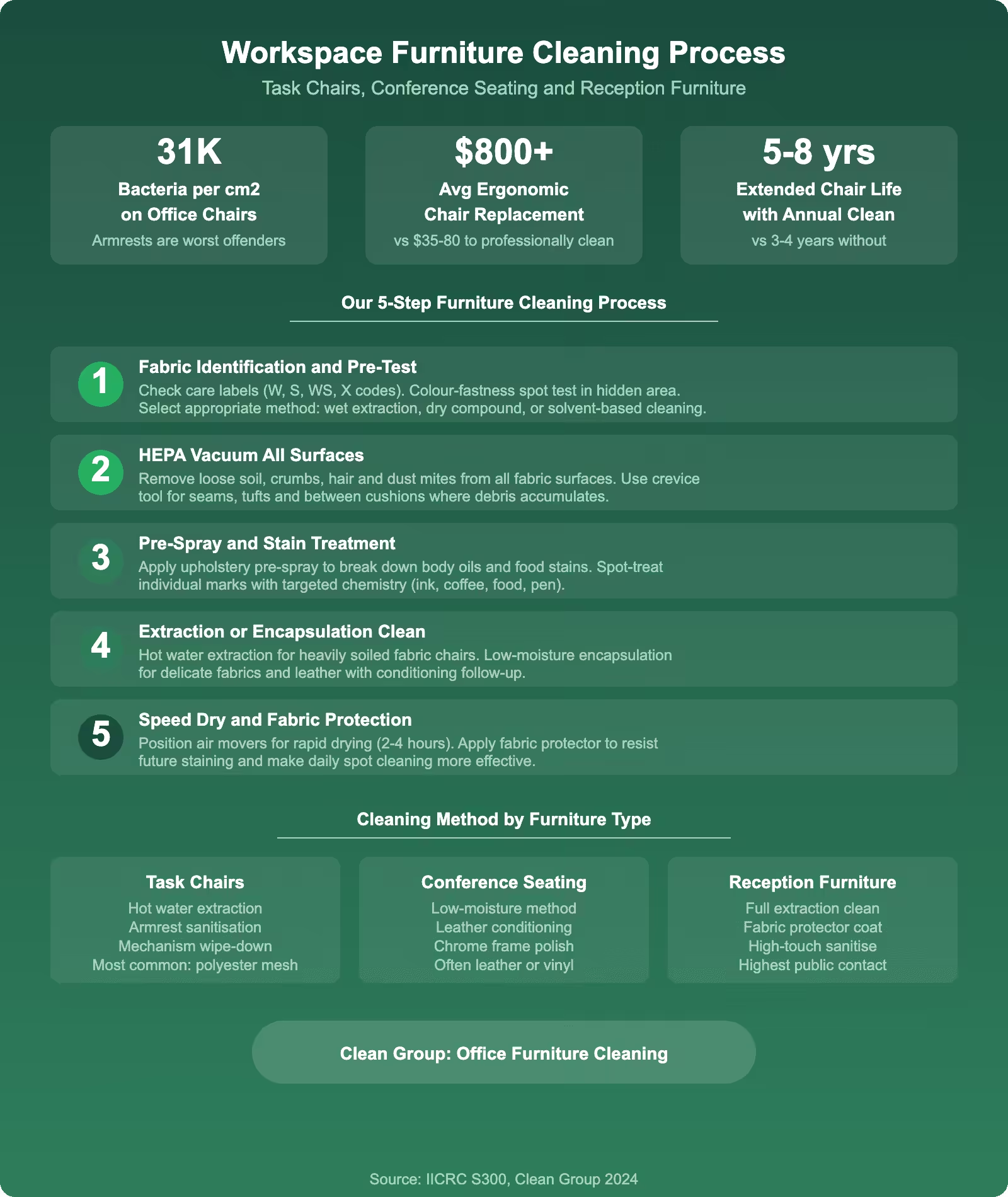
Our Cleaning Process for Task Chairs, Conference Seating, and Reception Furniture involves specific protocols that we tailor to each facility based on its layout, traffic, and compliance requirements. We use a four-step process for all upholstered workspace furniture that balances thorough contamination removal with fabric preservation. Step one is dry soil removal — our team HEPA-vacuums every surface of each piece using crevice tools for seams and upholstery nozzles for flat panels, removing loose particles that would otherwise turn into mud during wet cleaning. Step two is pre-treatment with a pH-neutral enzyme spotter applied to high-contact areas like armrests, headrests, and seat cushion fronts where body oil and perspiration concentrate. Step three is low-moisture extraction cleaning using a specialised upholstery tool that injects heated cleaning solution at controlled pressure and immediately extracts it along with dissolved contamination — this keeps the foam padding from becoming waterlogged, which is critical because wet foam breeds mould within forty-eight hours. Step four is a rapid-dry protocol using air movers positioned to circulate airflow across treated surfaces, reducing drying time to under three hours. We developed this exact process after damaging a set of executive chairs in Maroubra by over-wetting them with a carpet extraction wand — the foam cores took four days to dry and developed mould that required complete re-upholstering.
Office Area Cleaning Frequency Guide
| Area | Daily | Weekly | Monthly | Quarterly |
|---|---|---|---|---|
| Reception & Lobby | Vacuum, mop, wipe | Glass doors, furniture | Deep carpet clean | Window wash |
| Workstations | Surface wipe, bins | Monitor & keyboard | Drawer clean-out | Chair shampoo |
| Kitchen/Breakroom | Bench, sink, floor | Fridge, microwave | Deep degrease | Exhaust fan clean |
| Bathrooms | Full sanitise + restock | Grout scrub | Descale fixtures | Vent clean |
| Meeting Rooms | Table wipe, vacuum | AV equipment dust | Upholstery clean | Carpet extraction |
Leather and Vinyl Furniture — A Different Approach Entirely
Office Area Cleaning Frequency Guide requires specific protocols that we tailor to each facility based on its layout, traffic, and compliance requirements. We treat leather and vinyl workspace furniture as a separate discipline from fabric upholstery because the cleaning chemistry and conditioning requirements are fundamentally different. Leather is an organic material that requires pH-balanced cleaning followed by conditioning to maintain suppleness and prevent cracking — we use a dedicated leather cleaner at pH 5.5 that lifts surface soiling without stripping the protective finish, followed by a lanolin-based conditioner that penetrates the grain and restores moisture lost through daily use and air conditioning exposure. Vinyl requires less delicate handling but still responds poorly to harsh chemicals — we have seen office chairs in Pagewood where cleaning staff used window cleaner on vinyl armrests, causing the plasticiser to migrate and leaving the surface sticky and discoloured. Our team uses a mild surfactant solution for vinyl cleaning followed by a UV-protective dressing that resists subsequent soiling and prevents the yellowing that plagues vinyl furniture in sun-exposed offices. For both leather and vinyl, our technicians inspect for structural damage during cleaning — loose stitching, cracked panels, and worn padding that indicate a piece needs upholstery repair rather than just cleaning.
Maintenance Schedules That Extend Furniture Lifespan by Years
Leather and Vinyl Furniture — A Different Approach Entirely includes specific protocols that we tailor to each facility based on its layout, traffic, and compliance requirements. We have tracked furniture condition across our client base for over a decade and the data is unambiguous: commercial workspace furniture on a regular professional cleaning schedule lasts two to three times longer than identical furniture that receives no maintenance beyond occasional vacuuming. Our recommended schedule for standard commercial task chairs is quarterly professional cleaning with monthly spot-treatment of high-contact zones. Conference and meeting room seating benefits from biannual professional cleaning because usage frequency is lower. Reception and waiting area furniture — which absorbs contamination from a much wider range of occupants — should be cleaned monthly. We have maintained office furniture fleets in Maroubra, Kingsford, and Pagewood on these schedules for over eight years, and our condition monitoring shows that well-maintained chairs remain presentable and structurally sound for seven to ten years compared to the three-to-four-year replacement cycle that building managers accept as normal for unmaintained furniture. The cost of our maintenance programme over a ten-year period runs roughly thirty percent of what a single fleet replacement costs, making the financial case straightforward for any facility manager who runs the numbers.
Pricing and What a Workspace Furniture Cleaning Programme Costs
Maintenance Schedules That Extend Furniture Lifespan by Years addresses specific protocols that we tailor to each facility based on its layout, traffic, and compliance requirements. We price workspace furniture cleaning per piece rather than per hour because it creates predictable budgets and eliminates any incentive for our team to work slowly. Our standard rate for a full four-step clean of a task chair in the Maroubra, Kingsford, or Pagewood area is included within a detailed workplace furniture programme that typically costs around $3,050 for a standard office of forty to fifty workstations. That figure covers task chairs, meeting room seating, and reception furniture within a single session. Executive leather chairs carry a modest premium due to the conditioning step, and modular lounge systems in breakout areas are quoted per linear metre. We offer tiered pricing for clients who commit to quarterly programmes — the per-piece rate drops with frequency because our setup and mobilisation costs amortise across more visits. Our team provides a complete inventory count and condition assessment as part of the first service, giving facility managers a documented baseline they can use to track furniture condition over time and justify their maintenance expenditure to management.
Allergen Reduction and Indoor Air Quality Benefits
Pricing and What a Workspace Furniture Cleaning Programme Costs targets specific protocols that we tailor to each facility based on its layout, traffic, and compliance requirements. We measure allergen levels before and after furniture cleaning on every job because the data consistently demonstrates one of the strongest business cases for our service. Upholstered furniture acts as a reservoir for dust mite allergens, pet dander carried in on clothing, pollen trapped in fabric fibres, and bacterial endotoxins from skin cell decomposition. Our pre-clean ATP testing across office furniture in Maroubra routinely shows biological contamination levels exceeding five hundred relative light units on armrests and headrests — more than five times the threshold for hygienic cleanliness. After our four-step cleaning process, these readings typically drop below eighty RLU. We provide this data in every service report because it gives facility managers objective evidence that the cleaning delivered measurable hygiene improvements. Several of our clients have used these reports to support workplace health and safety compliance documentation, and two organisations in the Kingsford area credited our furniture cleaning programme with reducing employee sick leave related to respiratory complaints by a noticeable margin within six months of implementation.
Allergen Reduction and Indoor Air Quality Benefits focuses on specific protocols that we tailor to each facility based on its layout, traffic, and compliance requirements. For standalone lounge pieces and soft furnishings that need targeted restoration rather than a full furniture fleet programme, our team covers specific techniques in our guide on how to clean lounge upholstery in commercial settings.
Frequently Asked Questions
How often should office furniture be professionally cleaned?
We recommend quarterly professional cleaning for standard task chairs with monthly spot-treatment of high-contact areas. Conference seating benefits from biannual sessions, while reception furniture exposed to higher visitor traffic should be cleaned monthly. Our data shows professionally maintained furniture lasts two to three times longer than unmaintained pieces.
Can professional cleaning really extend furniture lifespan?
Our decade of condition tracking data confirms that well-maintained chairs remain presentable for seven to ten years compared to three to four years for unmaintained furniture. Body oils and perspiration weaken fabric fibres from within while surface soiling creates abrasive grinding under body weight. Regular cleaning removes these damaging agents before they cause irreversible degradation.
How much does a workspace furniture cleaning programme cost?
Our detailed programme for a standard office of forty to fifty workstations in the Maroubra, Kingsford, or Pagewood area typically costs around $3,050 per session, covering task chairs, meeting room seating, and reception furniture. We price per piece rather than per hour and offer tiered rates for quarterly commitments.
How do you clean leather office furniture differently from fabric?
We use a pH 5.5 balanced leather cleaner that lifts soiling without stripping the protective finish, followed by a lanolin-based conditioner that restores moisture. Fabric gets our four-step process of HEPA vacuuming, enzyme pre-treatment, low-moisture extraction, and rapid-dry protocol. Using the wrong method on either material causes damage.
Will the furniture be wet for a long time after cleaning?
Our low-moisture extraction process and rapid-dry protocol with positioned air movers reduces drying time to under three hours. We specifically avoid over-wetting because saturated foam padding breeds mould within forty-eight hours. Our method injects and extracts cleaning solution simultaneously to minimise moisture retention in the upholstery.
Do you test hygiene levels on office furniture?
We conduct ATP bioluminescence testing before and after cleaning on every job. Our pre-clean results routinely show readings above five hundred relative light units on armrests and headrests, dropping below eighty RLU after treatment. We reference AS 2111.1 textile conditioning standards when assessing fabric integrity and include all test data in our service reports.
Can dirty office furniture affect employee health?
Upholstered furniture harbours dust mite allergens, bacteria, skin cells, and pollen at concentrations that significantly exceed hygienic thresholds. Several clients have reported reductions in respiratory-related sick leave within six months of implementing our cleaning programme. The biological contamination on untreated armrests often exceeds levels found on toilet seats in the same building.
Do you clean furniture on-site or does it need to be removed?
We clean all workspace furniture on-site — our portable equipment including extraction machines, air movers, and chemical kits fits through standard doorways and operates from standard power outlets. There is no need to remove furniture from the premises. We typically schedule after-hours sessions so furniture is clean and dry before employees arrive the next morning.
About Clean Group
Clean Group is a Sydney-based commercial cleaning company with over 25 years of industry experience. Founded by Suji Siv, our team of 50+ trained professionals services offices, warehouses, medical centres, schools, childcare facilities, retail stores, gyms, and strata properties across Sydney, Melbourne, and Brisbane.
We are active members of ISSA and the Building Service Contractors Association of Australia (BSCAA). Our operations align with ISO 9001 (Quality Management), ISO 14001 (Environmental Management), and ISO 45001 (Workplace Health and Safety) standards. We hold membership with the Green Building Council of Australia and use eco-friendly, TGA-registered cleaning products wherever possible.
Every Clean Group cleaner is police-checked, fully insured, and trained in safe work procedures under SafeWork NSW guidelines. We operate 7 days a week, including after-hours and weekend services, to minimise disruption to your business.
About the Author

Stephen Matthews
Hi, my name is Steve. I have been working as a Regional Operations Manager in Sydney Clean Group for almost four years now and manage a team of 10. I have more than three decades of experience in the commercial cleaning industry. My responsibilities include the day-to-day management of cleaning operations, planning, online quotation to clients, managing cleaners’ performance, collecting clients\' feedback, and ensuring proper & regular maintenance of cleaning equipment. Get in touch for a quick chat about your cleaning needs.
Read More About Stephen 0291607469
 Get A Quote