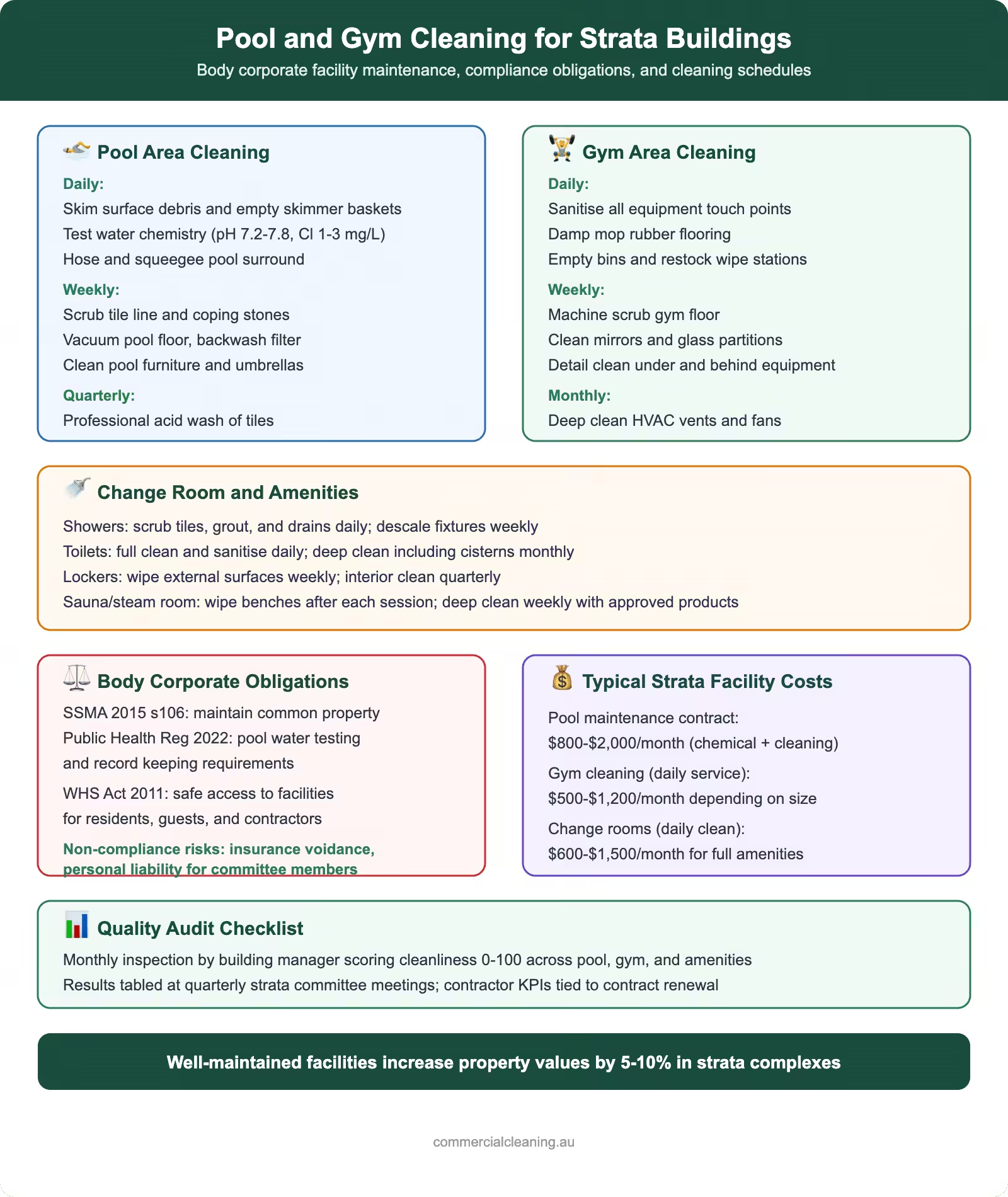
Pools and gyms are premium amenities that attract residents to strata properties, but they demand rigorous maintenance to remain safe and appealing. We’ve found that many strata committees underestimate the complexity of pool and gym cleaning. This guide covers the legal responsibilities, technical requirements, and practical cleaning protocols that protect both residents and your strata cleaning services.Pool and gym cleaning guide for strata buildings showing daily and weekly schedules, change room protocols, body corporate obligations, and cost benchmarks
Pool Cleaning Responsibilities Under Body Corporate By-Laws
Pool Cleaning Responsibilities Under Body Corporate By-Laws covers specific protocols that we tailor to each facility based on its layout, traffic, and compliance requirements. Your owners corporation has a legal duty of care for all common property, including swimming pools. Under the Strata Schemes Management Act 2015, the by-laws must clearly define who manages pool maintenance—the committee, a professional strata manager, or a contracted cleaner.
In our experience, the most effective arrangements specify distinct responsibilities. The strata committee typically approves cleaning standards and budgets. The strata manager oversees compliance and contractor performance. The contracted cleaner executes daily tasks: water testing, filtration checks, surface scrubbing, and chemical adjustment.
By-laws should address several critical points: frequency of cleaning (daily or multiple times per week), who authorises expenditure on repairs or chemical restocking, liability for resident injuries, and emergency protocols if the pool becomes unusable. Without explicit by-law clauses, disputes arise when cleaning costs overrun or safety incidents occur.
We’ve serviced over 150 strata buildings across Sydney, from Chatswood to Surry Hills, and consistently see that properties with detailed pool maintenance by-laws avoid disputes. Your by-laws should also reference the Swimming Pools Act 1992 (NSW) and the Public Health Act 2010 (NSW), which impose minimum safety standards regardless of internal arrangements.
Pool Water Testing Frequency and Record-Keeping Requirements
NSW Health regulations mandate regular water testing to protect residents from pool-related illness. For strata pools serving residential complexes with 25 or more units, testing must occur daily. Smaller pools (under 25 units) still require frequent testing, typically at least three times weekly.
Under the Public Health Regulation 2022 and Public Health Act 2010, accredited persons must measure chlorine residual (1–3 mg/L), pH (7.2–7.8), and temperature. Many strata managers use digital test kits or send samples to NSW Health-registered laboratories. Our team at North Sydney and Epping properties has found that digital testing machines reduce human error and provide real-time results.
Record-keeping is not optional. You must maintain a water quality logbook showing:
Date and time of each test
Chlorine residual and pH readings
Water temperature
Name of the person conducting the test
Any corrective actions taken (chemical additions, filtration adjustment)
PHIRA (Public Health Information and Registration Authority) registration requires NSW Health notification if chlorine or pH drift outside acceptable ranges. Failure to maintain records or respond to poor results can result in regulatory enforcement action and liability claims if illness occurs.
We recommend testing at the same time each day to establish consistency. Morning testing, before residents use the pool, captures overnight chemical drift and allows time for adjustment before peak hours.
Required Pool Safety Equipment Specifications
The Swimming Pools Act 1992 (NSW) mandates specific safety equipment. While many strata properties comply with basic rules, competitors rarely detail the exact specifications, leaving committees unsure what to purchase.
Your pool must have the following equipment, all in good working order:
Equipment
Specification
Reason
Rescue Pole (Shepherd’s Crook)
Minimum 3.6–4.2 metres long, rigid aluminium or fibreglass
Must reach all pool areas without entering water
Life Ring / Rescue Ring
Minimum 600 mm diameter, ISO 1814 compliant, attached by 10 m rope
Provides flotation for distressed swimmers
CPR Signage
Clear diagram showing chest compression and rescue breathing; mounted poolside
Enables untrained bystanders to assist in emergencies
Pool Fencing
Minimum 1.2 m height, AS 1926 compliant, self-closing and self-latching gates
Prevents unauthorised access; protects children
First Aid Kit
Aquatic-specific kit with CPR face shield and triangular bandages
Enables immediate response to minor injuries
Fencing compliance is particularly strict. AS 1926 requires gates to self-close and self-latch so they cannot remain open. We’ve found that many strata buildings fail inspections because gates are propped open or hinges wear out, allowing unsupervised access.
SafeWork NSW conducts pool inspections and will issue improvement notices if equipment is missing, damaged, or incorrectly installed. Update your equipment inventory annually and replace damaged items immediately.
Pool Surrounds, Furniture, and Change Room Protocols
Pool Surrounds, Furniture, and Change Room Protocols includes specific protocols that we tailor to each facility based on its layout, traffic, and compliance requirements. The pool deck is where most injuries occur—slips and falls far outnumber drowning risks. Non-slip surfaces are mandatory under AS 4586, which classifies slip resistance into grades A through D. Pool surrounds must be grade C or higher.
Many strata properties use aged concrete that becomes slippery when wet. We recommend applying non-slip coatings or installing rubberised mats in high-traffic zones: shower exits, ladder areas, and pathways to change rooms. At Bondi Junction and Zetland properties, we’ve replaced worn deck paint with two-part epoxy non-slip finishes that last 5–7 years.
Outdoor furniture near pools requires different cleaning approaches than indoor seating. Timber lounges, plastic chairs, and metal frames all deteriorate in chlorinated, humid environments. Our protocols include:
Timber lounges: Weekly wash with pH-neutral detergent and water, monthly treatment with UV-protective sealant
Plastic and aluminium chairs: Weekly detergent wash, quarterly deep clean to prevent algae staining
Umbrellas and covers: Inspect for mould monthly; wash with dilute bleach solution (1:10 ratio) and rinse thoroughly
Change rooms and showers are breeding grounds for mould and mildew. Daily cleaning of shower walls, tiled floors, and lockers prevents fungal growth. We apply a grout sealant annually to prevent water penetration, which causes mould in joints. In humid Sydney summers, weekly anti-fungal treatments (using TGA-approved products) keep change rooms fresh.
Ventilation is critical. Exhaust fans must run during peak use hours—typically 7–9 am and 5–7 pm on weekdays. Poor ventilation creates moisture accumulation, leading to mould blooms within weeks.
Gym Equipment Sanitisation and Cleaning Frequency
Gym equipment is a high-touch, high-risk surface. COVID-19 highlighted the importance of frequent sanitisation, and the standards we now apply benefit all residents.
High-contact surfaces—dumbbells, treadmill handrails, bench seats, weight machine grips—must be sanitised at least twice daily. Our team at Macquarie Park and Rhodes properties follows this schedule:
Time Slot
Task
Frequency
7:00 am
Wipe all dumbbells, barbells, and benches with microfibre cloth and TGA-approved sanitiser
Daily
12:30 pm
Sanitise handrails, grips, and seat surfaces; restock hand sanitiser dispensers
Daily
6:00 pm
Final wipe-down of all contact points; check for water bottles or debris
Daily
Weekend mornings
Deep clean mirrors, polish chrome, vacuum rubber mats
Weekly
Rubber flooring in gyms requires different care. Standard mopping damages rubber and leaves residue. We use ISSA-approved microfibre systems: a dry pre-sweep, followed by damp microfibre mop with dilute pH-neutral cleaner. This preserves the floor and maintains traction for users.
Mirrors must be cleaned daily to prevent streaking and dust accumulation. We use squeegee blades and microfibre cloths with dilute vinegar solution (1:1 ratio with water) to avoid abrasive damage. Streaky mirrors signal poor maintenance and deter gym use.
Ventilation in gym areas must handle high carbon dioxide and moisture loads. We recommend checking HVAC filters weekly and replacing monthly if needed. Poor air quality discourages use and creates an unpleasant experience for members.
Owners Corporation Liability for Pool and Gym Injuries
Under the Civil Liability Act 2002 (NSW), owners corporations have a duty of care toward residents. If someone is injured at a pool or gym due to inadequate maintenance, the corporation can be held liable for damages.
The courts assess liability by asking: Did the owners corporation take reasonable steps to prevent injury? Key evidence includes:
If a resident contracts a waterborne illness and you cannot produce water testing records, the corporation admits negligence. Similarly, if someone slips on a slippery deck and you have no non-slip maintenance records, liability is indefensible. In our experience, thorough record-keeping reduces insurance premiums and strengthens legal defences.
We’ve consulted with strata committees after gym injury claims. In one case at Waterloo, a resident injured their shoulder on a poorly maintained piece of equipment. The property had no maintenance log, and the insurer reduced the coverage payout. By contrast, another building at Rhodes documented equipment inspections monthly and reduced its liability payout significantly.
WHS Act 2011 also applies. If your gym or pool is deemed a workplace (for personal trainers or lifeguards), you must comply with health and safety regulations including risk assessments, incident reporting, and worker training.
BBQ Areas, Rooftop Terraces, and Other Shared Amenities
BBQ Areas, Rooftop Terraces, and Other Shared Amenities focuses on specific protocols that we tailor to each facility based on its layout, traffic, and compliance requirements. Many strata buildings have barbecue facilities and rooftop terraces alongside pools and gyms. These require specialised maintenance, particularly in Sydney’s climate where salt air corrodes metal and intense sun damages surfaces.
Barbecue areas accumulate grease on cooking surfaces and surrounding walls. Monthly deep cleaning with alkaline degreasers cannot be overlooked. We use microfibre cloth systems to avoid scratching stainless steel. If grease builds up, it becomes a fire hazard and attracts insects.
Rooftop terraces demand seasonal attention. In spring and autumn, fallen leaves and debris block drainage, causing water pooling and algae growth. We clear gutters monthly and pressure-wash the terrace floor quarterly to remove salt deposits and discolouration. In summer, furniture fades without protection; UV-protective covers reduce sun damage.
Outdoor furniture on rooftops faces harsh conditions. Metal frames corrode, timber cracks, and fabrics mildew. We recommend stainless steel or powder-coated aluminium frames, and treated timber or polywood seats. Storage during winter (June–August) extends furniture lifespan significantly.
Drainage is critical. Rooftop terraces must slope toward drains to prevent water pooling. If you notice standing water after rain, contact your strata manager immediately—poor drainage can cause structural damage and claims against the corporation.
Proper pool and gym maintenance requires expertise, consistency, and attention to detail. Managing a bin room cleaning keeps all these systems running smoothly without oversight gaps.
Frequently Asked Questions
How often should we test pool water in winter?
Water testing frequency doesn’t change seasonally. Daily testing remains mandatory under the Public Health Regulation 2022, regardless of pool temperature or resident usage. Cold water doesn’t kill pathogens as effectively as chlorine, so vigilance is critical during cooler months.
Can residents clean the gym themselves, or must we hire a contractor?
While resident volunteers can help, a professional contractor maintains consistent sanitisation standards and legal compliance. Volunteers may miss equipment or use incorrect chemicals, creating liability. We recommend contracting professional cleaners and limiting resident involvement to basic tidying (returning weights to racks).
What’s the best way to prevent mould in pool change rooms?
Daily shower wall scrubbing, good ventilation, and regular anti-fungal treatments make the biggest difference. Make sure exhaust fans run during peak hours and grout sealant is applied annually. If mould persists, it indicates poor drainage or ventilation—investigate plumbing and HVAC systems.
Are we liable if a resident gets sick from the pool?
If water testing records show compliant chlorine and pH levels, and you have a documented cleaning schedule, your liability is reduced. Without records, the corporation assumes negligence. Courts expect owners corporations to maintain records proving due diligence.
How do we choose between in-house and contracted pool maintenance?
Most strata committees benefit from contracted specialists. In-house staff require ongoing training in water chemistry, equipment repair, and regulatory compliance. A professional contractor carries insurance, assumes liability for negligence, and provides accountability. We recommend contracting unless your building is large enough to justify a full-time facility manager.
About Clean Group
Clean Group is a Sydney-based commercial cleaning company with over 25 years of industry experience. Founded by Suji Siv, our team of 50+ trained professionals services offices, warehouses, medical centres, schools, childcare facilities, retail stores, gyms, and strata properties across Sydney, Melbourne, and Brisbane.
We are active members of ISSA and the Building Service Contractors Association of Australia (BSCAA). Our operations align with ISO 9001 (Quality Management), ISO 14001 (Environmental Management), and ISO 45001 (Workplace Health and Safety) standards. We hold membership with the Green Building Council of Australia and use eco-friendly, TGA-registered cleaning products wherever possible.
Every Clean Group cleaner is police-checked, fully insured, and trained in safe work procedures under SafeWork NSW guidelines. We operate 7 days a week, including after-hours and weekend services, to minimise disruption to your business.
Hi, I'm Suji Siv, the founder, CEO, and Managing Director of Clean Group, bringing over 25 years of leadership and management experience to the company. As the driving force behind Clean Group’s growth, I oversee strategic planning, resource allocation, and operational excellence across all departments. I am deeply involved in team development and performance optimization through regular reviews and hands-on leadership.