We have cleaned pool glass fencing and balustrades across dozens of commercial and strata properties in Sydney, and we can tell you that this type of glass presents unique challenges that standard window cleaning techniques simply cannot handle. Our team of glass cleaning professionals has developed specialist protocols for pool glass because the combination of chlorinated water splash, mineral buildup, sunscreen residue and constant UV exposure creates contamination that conventional glass cleaners leave behind. We service pool glass installations across residential complexes, hotels and commercial fitness centres in Concord, Rhodes and Wentworth Point, and we have refined our approach through years of hands-on experience with every glass type and pool chemistry scenario imaginable.
Why Pool Glass Gets Dirty Faster Than Regular Windows
We have observed that pool glass panels accumulate contamination at roughly three times the rate of standard building windows, and the type of contamination is fundamentally different. Our team deals with calcium carbonate and calcium silicate deposits from evaporating pool water splash, which form hard white scale that bonds chemically to the glass surface rather than simply sitting on top. We also encounter sunscreen and body oil transfer from pool users who touch the glass, atmospheric dust that adheres to the oily residue, and chlorine salt crystallisation during dry weather. Our experience across the Concord and Rhodes waterfront developments has shown us that pool glass that receives only quarterly cleaning quickly develops scale buildup that requires aggressive chemical treatment to remove — whereas monthly maintenance keeps the glass clear with minimal intervention.
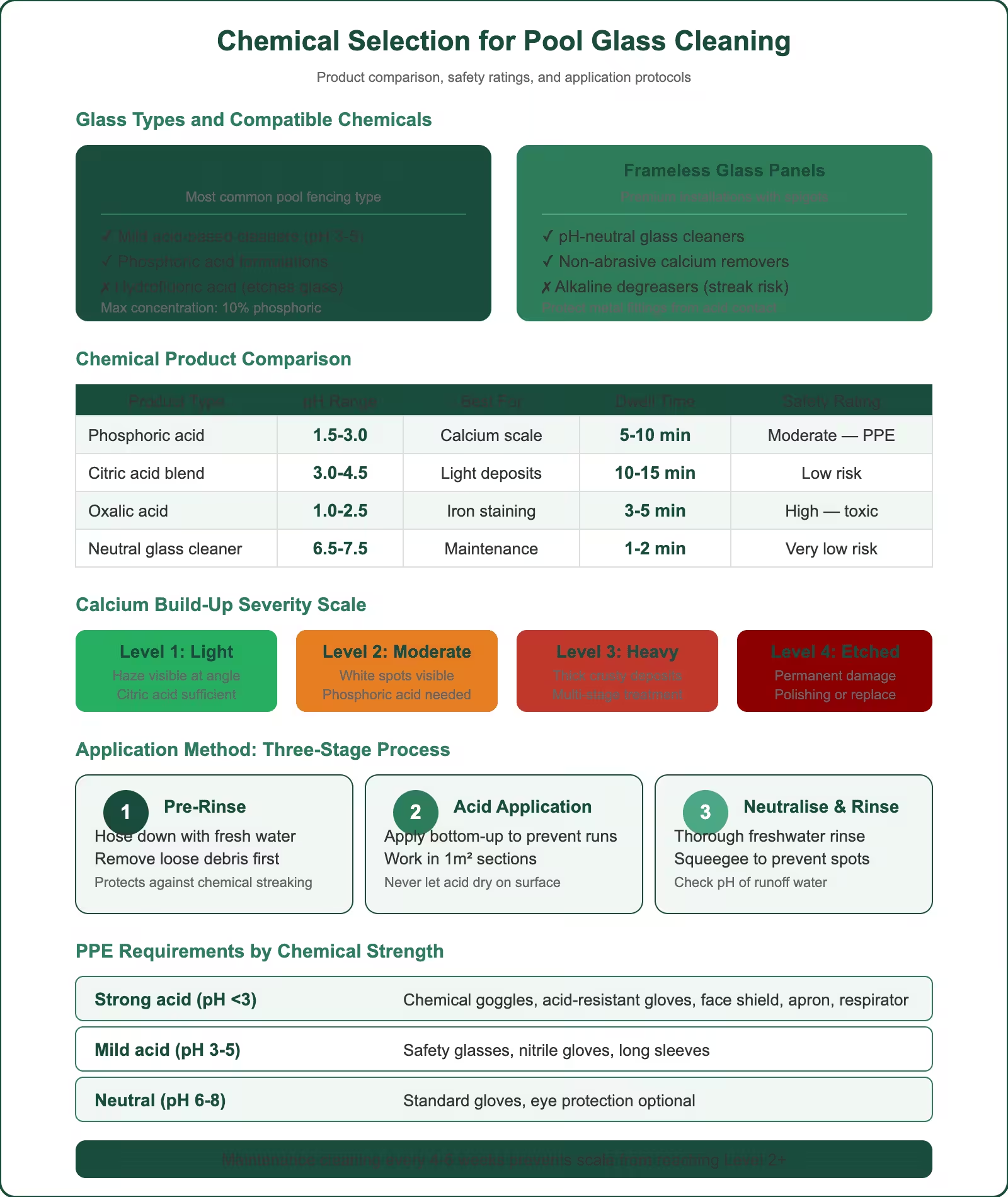
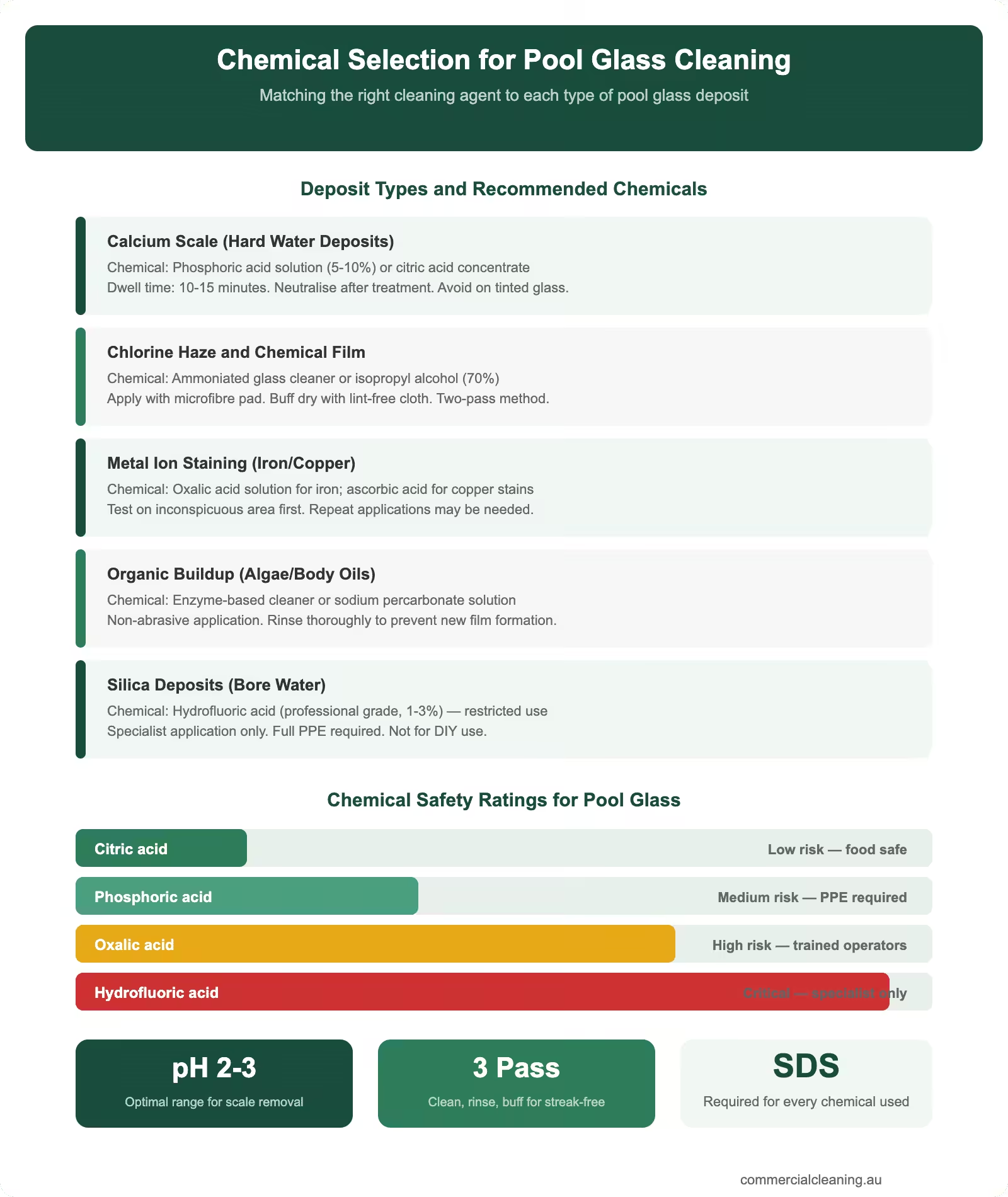
Pool glass chemical selection guide showing glass types, chemical comparison table, calcium severity scale, three-stage application process, and PPE requirementsPool glass cleaning chemical selection infographic showing five deposit types with matched chemicals and safety ratings from low to critical risk
Chemical Selection for Pool Glass Cleaning
We use a specific acid-based glass restoration compound for pool glass that dissolves mineral scale without etching or damaging the glass surface. Our team has tested multiple formulations and settled on a phosphoric acid-based product that breaks down calcium deposits effectively while remaining safe for use near pool water and surrounding landscaping. We never use hydrochloric acid on pool glass because the fumes are hazardous near an enclosed pool area and the acid concentration is too aggressive for consistent results — we have seen operators using hydrochloric acid leave etched patches on glass that are visible in certain light conditions and impossible to correct without professional re-polishing. Under AS 1926.1, which covers fencing for swimming pools, glass pool barriers must maintain their structural integrity and visibility at all times — contamination that obscures visibility or chemical damage that weakens the glass can create compliance issues that expose property owners to significant liability.
Window Cleaning Method Comparison
Method
Max Height
Best For
Cost per Panel
Finish
Traditional Squeegee
3 storeys
Internal + low-rise
$4–$8
★★★★★
Water-Fed Pole
6 storeys
External mid-rise
$6–$12
★★★★
Rope Access
Unlimited
High-rise towers
$10–$25
★★★★
EWP/Cherry Picker
20+ storeys
Large facades
$15–$35
★★★★
Our Pool Glass Cleaning Process Step by Step
Window Cleaning Method Comparison requires specific protocols that we tailor to each facility based on its layout, traffic, and compliance requirements. We follow a five-step process that we have developed specifically for pool glass installations. Our team starts by rinsing the glass with clean water to remove loose debris and dust. We then apply our acid-based restoration compound to the affected areas using a non-abrasive applicator pad, working in small sections to maintain control over the dwell time. We agitate the compound gently to dissolve mineral deposits, rinse thoroughly with clean water and then follow with a professional squeegee pass and microfibre detail to achieve a streak-free finish. We invested approximately $2,850 in our specialist pool glass cleaning kit last year, including restoration compounds, applicator systems, protective equipment and a portable water supply for sites where hose access is restricted. Our five-step process takes approximately 15 to 20 minutes per linear metre of pool fencing, and the results consistently restore glass to near-new clarity.
Protecting Pool Glass Between Cleaning Visits
Our Pool Glass Cleaning Process Step by Step includes specific protocols that we tailor to each facility based on its layout, traffic, and compliance requirements. We offer a hydrophobic nano-coating application service that creates an invisible protective layer on pool glass, causing water to bead and run off rather than evaporate in place and leave mineral deposits. Our coating lasts approximately six to eight months depending on exposure conditions, and our clients in the Rhodes and Wentworth Point waterfront developments report that coated panels stay visibly cleaner between maintenance visits than uncoated panels on the same property. We apply the coating after every deep-clean restoration and refresh it during scheduled maintenance visits. Our experience shows that the coating reduces the labour required for each maintenance clean by roughly 30 percent because mineral buildup is lighter and easier to remove from protected surfaces.
Common Mistakes That Damage Pool Glass
We have been called in to restore pool glass that has been damaged by well-meaning but poorly informed cleaning attempts, and the most common mistakes we see are using abrasive pads or steel wool on toughened glass, applying hydrochloric acid without dilution control, and using pressure washers at close range on glass panel edges where the water jet can compromise the seal between glass and fixings. Our team in the Concord area recently restored a 20-metre pool fence where a previous cleaner had used a green scouring pad, leaving thousands of micro-scratches that were invisible when wet but glaringly obvious in direct sunlight. We always use non-abrasive applicators specifically rated for glass surfaces, and we train every team member to identify glass types — toughened, laminated and annealed — because each responds differently to mechanical and chemical treatment.
We believe pool glass deserves the same professional attention as any other glass installation, and our specialist approach ensures that these panels maintain both their aesthetic clarity and their structural compliance for years. Our team takes genuine pride in restoring heavily scaled pool glass to near-new condition, and we encourage every property manager to establish a regular maintenance program rather than waiting for contamination to reach a level that requires intensive restoration. We also recommend exploring water-fed pole cleaning techniques for the surrounding building glass that complements your pool glass maintenance program.
Frequently Asked Questions
Why does pool glass get so dirty? We find pool glass accumulates contamination at roughly three times the rate of standard windows due to chlorinated water splash, calcium mineral deposits, sunscreen and body oil transfer, and chlorine salt crystallisation. These create hard scale that bonds chemically to the glass surface.
How often should pool glass fencing be cleaned? We recommend monthly maintenance cleaning to prevent heavy scale buildup. Quarterly cleaning allows deposits to build to a level that requires aggressive chemical treatment, while monthly visits keep glass clear with minimal intervention.
What chemicals are safe for cleaning pool glass? We use phosphoric acid-based restoration compounds that dissolve calcium deposits without etching glass. We never use hydrochloric acid near pools due to hazardous fumes and inconsistent results that can leave permanent etching.
How much does specialist pool glass cleaning cost? We invested approximately $2,850 in our specialist pool glass kit including restoration compounds, applicators and portable water supply. Our five-step process takes 15 to 20 minutes per linear metre of fencing and restores glass to near-new clarity.
Can scratched pool glass be repaired? We can improve minor scratches using specialist polishing compounds, but deep scratches from abrasive cleaning tools are often permanent. Prevention through correct cleaning products and non-abrasive applicators is always more effective than attempted repair.
What is hydrophobic coating for pool glass? We apply an invisible nano-coating that causes water to bead and run off rather than evaporate in place. Our coating lasts six to eight months and reduces maintenance labour by roughly 30 percent because mineral buildup is lighter on protected surfaces.
What pool fencing standards affect glass cleaning? We reference AS 1926.1 for swimming pool fencing, which requires barriers to maintain structural integrity and visibility. Contamination that obscures visibility or chemical damage that weakens glass creates compliance issues and potential liability for property owners.
What mistakes should I avoid when cleaning pool glass? We see damage from abrasive pads, undiluted hydrochloric acid and close-range pressure washing on panel edges. Always use non-abrasive applicators rated for glass, appropriate acid-based compounds at correct dilution, and keep pressure washers at safe distance from fixings.
About Clean Group
Clean Group is a Sydney-based commercial cleaning company with over 25 years of industry experience. Founded by Suji Siv, our team of 50+ trained professionals services offices, warehouses, medical centres, schools, childcare facilities, retail stores, gyms, and strata properties across Sydney, Melbourne, and Brisbane.
We are active members of ISSA and the Building Service Contractors Association of Australia (BSCAA). Our operations align with ISO 9001 (Quality Management), ISO 14001 (Environmental Management), and ISO 45001 (Workplace Health and Safety) standards. We hold membership with the Green Building Council of Australia and use eco-friendly, TGA-registered cleaning products wherever possible.
Every Clean Group cleaner is police-checked, fully insured, and trained in safe work procedures under SafeWork NSW guidelines. We operate 7 days a week, including after-hours and weekend services, to minimise disruption to your business.
Hi, I'm Suji Siv, the founder, CEO, and Managing Director of Clean Group, bringing over 25 years of leadership and management experience to the company. As the driving force behind Clean Group’s growth, I oversee strategic planning, resource allocation, and operational excellence across all departments. I am deeply involved in team development and performance optimization through regular reviews and hands-on leadership.