Your workplace is harbouring germs you can’t see. Door handles touched by dozens of people daily, keyboards shared between shifts, bathroom fixtures frequented by all staff—these are pathogen hotspots. At Clean Group, we’ve identified the germiest places in Sydney offices through years of monitoring contamination patterns and working with healthcare professionals. Understanding where germs concentrate helps you protect your team’s health and target cleaning efforts effectively. When you partner with commercial office cleaners, knowing these high-risk areas ensures your cleaning program addresses actual threats, not just visible dirt.
Why Germs Spread So Easily in Workplace Environments
Why Germs Spread So Easily in Workplace Environments covers specific protocols that we tailor to each facility based on its layout, traffic, and compliance requirements. Offices are perfect incubators for pathogen transmission. People work in close proximity, share equipment, touch common surfaces, and congregate in break areas. Once someone with a cold or flu arrives, the virus spreads through the office within hours via high-contact surfaces and shared objects.
Research from the University of Arizona demonstrated that a single virus contaminating a doorknob spreads to 40-60% of office occupants within 2-4 hours. Respiratory viruses like influenza and rhinovirus can survive on surfaces for minutes to hours, and cold and flu particles remain viable on stainless steel and plastic for extended periods.
The problem is compounded by the fact that people touch their faces 15-23 times per hour on average. This means any pathogen on your hands transfers directly to your respiratory mucous membranes. A contaminated doorknob is a direct pathway from one person’s respiratory infection to the next person’s face.
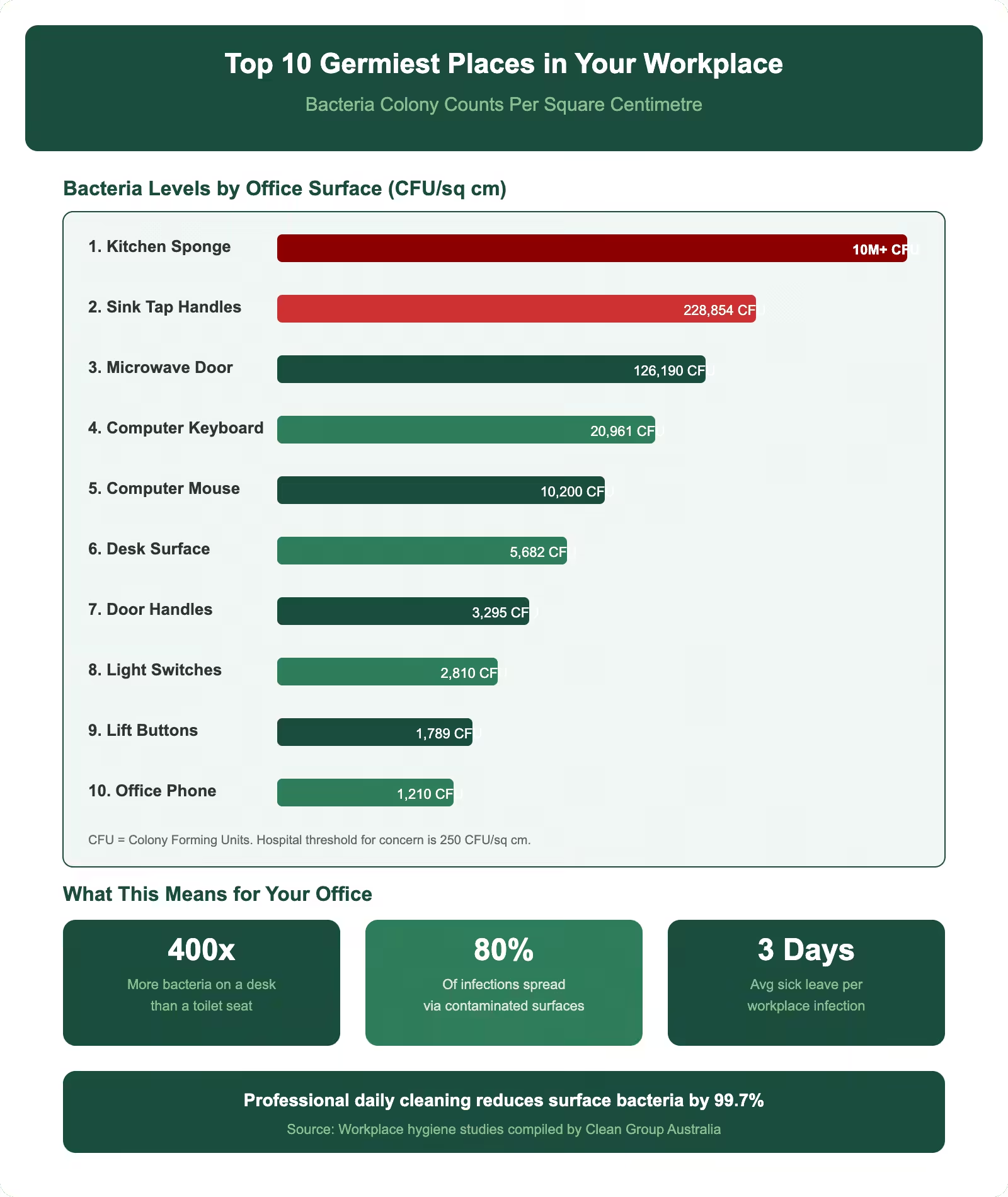
Top 10 germiest places in workplace infographic showing bacteria colony counts per surface from kitchen sponge to office phone with key infection statistics
The Top 10 Germiest Places in Your Workplace
The Top 10 Germiest Places in Your Workplace involves specific protocols that we tailor to each facility based on its layout, traffic, and compliance requirements. Based on our experience and research, these are the most contaminated surfaces in typical Sydney offices:
1. Doorknobs and Door Handles Every person entering a space touches the handle. In a 50-person office, a doorknob is touched 50+ times per day. Bacteria and viruses accumulate rapidly, especially on the surfaces people grab with their fingers.
2. Keyboards and Computer Mice Individual keyboards used throughout the day accumulate food particles, skin cells, and respiratory secretions. Shared keyboards are even worse—multiple people typing on the same device spread pathogens directly to fingers that then touch faces.
3. Toilet Seats, Flush Handles, and Bathroom Door Handles Bathrooms are pathogen hotspots. Gastrointestinal viruses and bacteria thrive in these areas. Flush handles are particularly problematic because people touch them immediately after using the toilet.
4. Light Switches Multiple people flip switches throughout the day, and few people wash their hands before entering a room. Light switches accumulate hand bacteria and viruses.
5. Shared Kitchen/Break Room Surfaces Benchtops, refrigerator handles, microwave buttons, coffee machine handles, and dining tables are touched by staff multiple times daily whilst eating and preparing food. This creates a direct pathway for pathogens to enter the body.
6. Lift Buttons and Handrails In multi-storey buildings, lift buttons are touched by every person using the elevator. A single lift in a 10-storey building may see 500+ button presses per day. Handrails accumulate pathogens from people coughing, sneezing, and touching with contaminated hands.
7. Stairwell Handrails Staff who take stairs touch the same handrail throughout the day. Handrails in stairwells are cleaned less frequently than other office areas, allowing pathogen accumulation.
8. Telephone Handsets Office phones are shared, picked up with contaminated hands, and held against the face during calls. The handset is never cleaned in most offices and accumulates bacteria, viruses, and fungi.
9. Printer and Photocopier Touch Panels Multiple staff use the same buttons throughout the day. These panels accumulate ink dust particles and microbial contaminants.
10. Shared Desk Space and Armrests In hot-desking environments, multiple people use the same workstations throughout the day. Armrests particularly accumulate pathogens from arm contact.
Bacterial and Viral Contamination Research
Scientific research has quantified contamination on office surfaces:
Bacterial Colony Counts: ATP swab testing of office doorknobs reveals bacterial levels of 300-5,000 colony-forming units (CFU) per 100 square centimetres. For comparison, a clean toilet seat measures 200 CFU—meaning office doorknobs are often dirtier than toilet seats.
Virus Persistence: Influenza viruses survive on hard surfaces (stainless steel, plastic, glass) for 5-48 hours depending on humidity. Rhinovirus survives for 1-7 days. Cold viruses spread most readily during the first 3 days of infection, coinciding with when they’re viable on surfaces.
MRSA and Antibiotic-Resistant Bacteria: Office environments have shown contamination with methicillin-resistant Staphylococcus aureus (MRSA) and other antibiotic-resistant bacteria. These organisms can survive on surfaces for weeks and cause serious infections if they enter the body through cuts or mucous membranes.
Coronavirus (SARS-CoV-2): During the pandemic, research showed COVID-19 virus viable on stainless steel for up to 3 days and plastic for up to 2 days. High-contact areas in offices with confirmed cases showed widespread contamination.
How Often Should You Clean High-Risk Areas?
The cleaning frequency must match the contamination risk and pathogen type:
Surface/Area
Normal Times
Cold/Flu Season
During Outbreak
Doorknobs/Handles
Weekly
2-3 times weekly
Daily or twice daily
Keyboards/Mice
Weekly
2-3 times weekly
Daily
Bathroom Fixtures
Daily
Daily
2-3 times daily
Light Switches
Weekly
2-3 times weekly
Daily
Break Room Surfaces
Daily
Daily
After each use
Lift Buttons
Weekly
2-3 times weekly
Daily
Phone Handsets
Weekly
2-3 times weekly
Daily
Printer/Copier
Weekly
2-3 times weekly
Daily
These recommendations confirm pathogen elimination before transmission occurs. The goal is to break the chain of infection by removing pathogens from surfaces before people touch them and then touch their faces.
Which Cleaning Products Actually Work Against Germs?
Not all cleaning products kill pathogens. You need products specifically tested against the threats you face.
Quaternary Ammonium Compounds (Quats): Effective against bacteria, enveloped viruses (cold, flu, coronavirus), fungi. Contact time required: 10 minutes. Safe for most office surfaces. Kills MRSA and other healthcare-associated pathogens.
Alcohol-Based Products (60-80% ethanol): Rapidly effective against enveloped viruses. Contact time: 30 seconds to 1 minute. Less effective against non-enveloped viruses and bacterial spores. Good for touch-up sanitisation but shouldn’t be your only disinfectant.
Bleach-Based Products (Sodium Hypochlorite): Kills almost all pathogens including resistant organisms like norovirus and C. difficile spores. Contact time: 10-60 minutes depending on concentration. Corrosive to some surfaces and strong odour can irritate staff. Best reserved for outbreak situations or bathrooms.
Hydrogen Peroxide-Based Products: Effective against bacteria and viruses. Contact time: 3-10 minutes. Less effective on non-enveloped viruses compared to bleach. Lower toxicity than bleach, making it suitable for frequent use.
Plain Soap and Water: Removes pathogens mechanically but doesn’t kill them. Adequate for low-risk cleaning between sanitisation cycles but insufficient for high-contact pathogen hotspots.
The key is matching the product to your pathogen risk. Cold and flu season? Quaternary ammonium or alcohol-based products work well. Gastrointestinal outbreak? You need bleach-based products against norovirus. Professional cleaning services use the right product for the right pathogen.
Germ Prevention Strategies Beyond Cleaning
Germ Prevention Strategies Beyond Cleaning targets specific protocols that we tailor to each facility based on its layout, traffic, and compliance requirements. Professional cleaning is necessary, but it’s part of a broader infection control strategy:
Hand Hygiene: Encourage staff to wash hands frequently, especially after using bathrooms, before eating, and after touching shared surfaces. Hand washing with soap and water is more effective than alcohol gel against some pathogens.
Respiratory Etiquette: Promote coughing into elbows rather than hands. Provide tissues in high-touch areas. Staff who are visibly ill should work from home when possible.
Vaccination: Encourage annual flu vaccination for all staff. Vaccination reduces virus transmission and illness severity.
Keyboard and Mouse Covers: Disposable or washable covers on shared keyboards reduce direct contact with pathogens. Replace daily or between users.
Touch-Free Options: Automatic soap dispensers, sensor-activated taps, and electronic door openers reduce hand-to-surface contact on high-contamination items.
Air Filtration: HEPA filters in HVAC systems capture airborne respiratory particles, reducing transmission of airborne viruses. Regular HVAC maintenance ensures filters are effective.
Ventilation: Verify adequate fresh air exchange in offices. Poorly ventilated spaces trap respiratory particles, increasing infection risk.
Creating a Germ-Conscious Workplace Culture
Creating a Germ-Conscious Workplace Culture focuses on specific protocols that we tailor to each facility based on its layout, traffic, and compliance requirements. The most effective infection control combines professional cleaning with staff awareness. When people understand that a doorknob touched by 50 colleagues is a direct transmission route for cold viruses, behaviour changes. They wash hands more frequently, avoid touching their faces, and respect colleagues who stay home when ill.
At Clean Group, we help clients communicate the importance of workplace hygiene to their teams. Visible professional cleaning, documented service schedules, and transparent communication about pathogen risks create a workplace culture where health and safety are priorities.
Staff confidence that their workplace is genuinely clean (not just visually tidy) improves morale and productivity. People are more focused and engaged when they feel their employer cares about their health. During peak illness seasons, knowing that your office is receiving targeted antimicrobial treatment of high-risk areas provides genuine reassurance.
Beyond individual health, effective pathogen control reduces organisational costs. Each staff member’s absence costs productivity, training replacements, and lost expertise. Reducing illness frequency through professional cleaning and hygiene education has a measurable financial return, particularly in customer-facing roles where presence directly impacts revenue.
When to Call Professional Cleaners for Extra Help
When to Call Professional Cleaners for Extra Help covers specific protocols that we tailor to each facility based on its layout, traffic, and compliance requirements. Professional workplace cleaning targets specific pathogenic threats with appropriate products and contact times. In-house cleaning or general maintenance services often lack this specificity. These situations call for professional intervention:
Confirmed Illness Outbreak: When multiple staff have the same illness, especially gastrointestinal or respiratory illness, immediately engage professional cleaning to sanitise high-risk areas and bathrooms. This disrupts transmission chains and demonstrates duty of care to staff.
Cold and Flu Season Peak: From June through August in Australia, professional increased-frequency sanitisation of high-contact areas provides evidence-based protection during highest transmission periods.
Post-Holiday Returns: When staff return from extended breaks and buildings have been closed, professional sanitisation ensures any pathogens from previous occupants are eliminated.
New Pathogenic Threat: When a new pathogen emerges (pandemic, novel virus), professional cleaners understand updated transmission research and appropriate disinfection protocols. They have access to products effective against the specific threat.
Professional cleaning is also worth considering for ongoing disease prevention. Regular professional sanitisation of high-risk areas prevents pathogen accumulation before it becomes a problem. The cost of preventive sanitisation is far lower than the cost of an outbreak affecting 20% of your workforce. See our cleaning cost guide for office budgeting benchmarks.
Frequently Asked Questions
Are office keyboards really dirtier than toilet seats?
Yes, research shows shared office keyboards often harbour more bacteria than toilet seats. This is because toilets are regularly disinfected, whilst keyboards are rarely cleaned. ATP testing reveals keyboards with 5,000+ bacteria units versus 200-300 on toilet seats. The solution is regular keyboard sanitisation, ideally using disposable covers between users.
How long can cold and flu viruses survive on office surfaces?
Influenza viruses survive 5-48 hours on hard surfaces like doorknobs and lift buttons (depending on humidity). Rhinovirus (common cold) survives 1-7 days. This is why high-touch surfaces contaminated when someone is infectious remain contagious for days. Regular sanitisation targeting high-contact areas breaks this transmission chain.
Should I be concerned about MRSA in the office?
MRSA (antibiotic-resistant Staph) has been detected in office environments and survives on surfaces for weeks. Whilst office transmission is rare compared to healthcare settings, it’s a concern in high-touch areas. Proper hand hygiene and regular sanitisation of doorknobs, light switches, and shared equipment reduce risk. Employees with open wounds should cover them and avoid shared surfaces.
What’s the most important surface to clean first in an outbreak?
Bathroom fixtures are the priority in gastrointestinal outbreaks, as norovirus and similar pathogens spread through fecal-oral contamination. Respiratory outbreaks require prioritising doorknobs, light switches, and shared desk areas where hand-to-face transmission occurs. Focus cleaning resources on the surfaces most likely to transmit the specific pathogen.
Can alcohol hand sanitiser replace professional surface disinfection?
No. Hand sanitiser kills pathogens on hands but doesn’t clean surfaces. People must apply it correctly and frequently—realistically difficult in busy offices. Professional disinfection of high-contact surfaces removes pathogens before they’re transferred to hands. Combine both strategies: regular hand sanitiser use and scheduled professional surface disinfection.
About Clean Group
Clean Group is a leading commercial cleaning company in Sydney, serving offices, strata properties, medical centres, schools, and industrial facilities across the greater Sydney region. With over 25 years of experience and a team of fully trained, insured cleaners, we deliver consistent results backed by a 100% satisfaction guarantee. Our services are tailored to your schedule, your budget, and your industry’s compliance requirements.
Hi, I'm Suji Siv, the founder, CEO, and Managing Director of Clean Group, bringing over 25 years of leadership and management experience to the company. As the driving force behind Clean Group’s growth, I oversee strategic planning, resource allocation, and operational excellence across all departments. I am deeply involved in team development and performance optimization through regular reviews and hands-on leadership.