We have spent over a decade keeping gyms and fitness centres across Sydney hygienic, and the reality behind the scenes would surprise most facility owners. Every piece of shared equipment collects sweat, dead skin, respiratory droplets, and bacteria within minutes of use. Our team routinely swabs surfaces during audits, and we have found Staphylococcus aureus on weight benches, dermatophyte fungi on yoga mats, and MRSA traces on cable handles — all within a single morning session. That is why our gym cleaning services follow strict infection-control protocols custom specifically for high-traffic fitness environments across Penrith, Emu Plains, and Glenmore Park.
We have cleaned facilities that rely on members wiping down equipment themselves, and in our experience, compliance rarely exceeds thirty percent. The remaining seventy percent of surfaces accumulate biofilm layers that household cleaning products cannot penetrate. Our team uses hospital-grade quaternary ammonium compounds combined with mechanical agitation to break through these layers. We have learned through years of trial and error that the product alone does nothing without proper dwell time and friction — a lesson many cleaning companies in western Sydney still have not grasped.
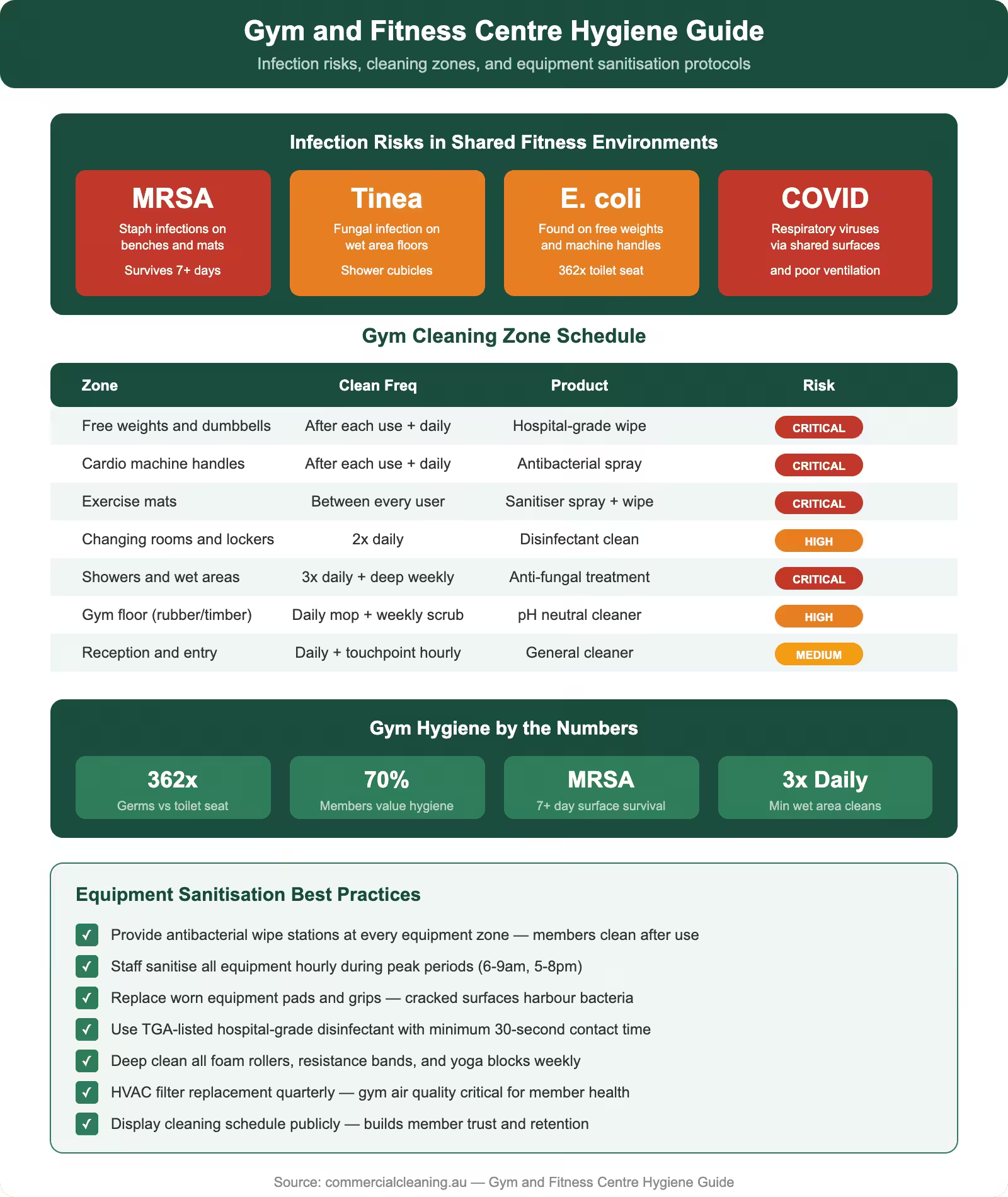
Gym and fitness centre hygiene guide showing infection risks, cleaning zone schedule, equipment sanitisation protocols, and hygiene statistics
Infection Risks We Encounter in Shared Fitness Environments
Infection Risks We Encounter in Shared Fitness Environments covers specific protocols that we tailor to each facility based on its layout, traffic, and compliance requirements. Our team has documented infection risks that go well beyond the obvious. We have found ringworm spores surviving on rubber flooring for up to seventy-two hours in climate-controlled gyms around Penrith. We regularly encounter norovirus traces on reception counters during winter months, and our swab testing at one Emu Plains facility revealed Pseudomonas aeruginosa in shower grouting that had been “cleaned daily” by untrained staff. These are not theoretical risks — we have seen members develop skin infections that traced directly back to contaminated equipment.
We follow the guidance outlined in AS 4187 when developing our gym disinfection protocols. While this standard was written for healthcare facility cleaning, we have adapted its principles because the pathogen loads in busy fitness centres rival what we see in medical waiting rooms. Our approach means we treat every high-touch surface as a potential infection vector, not just the ones that look dirty. We have found that this mindset shift is what separates professional hygiene management from basic janitorial work.
We also track seasonal pathogen patterns across our gym clients in the Penrith region. During summer, fungal contamination spikes by roughly forty percent because members train in minimal clothing and sweat volumes increase. In winter, we see a corresponding rise in viral contamination as respiratory illness circulates through confined studio spaces. Our team adjusts chemical concentrations and cleaning frequencies based on these patterns, which is something we have refined through over twelve years of data collection across Sydney fitness facilities.
Equipment Cleaning Protocols Our Team Uses for Surface Disinfection
Equipment Cleaning Protocols Our Team Uses for Surface Disinfection involves specific protocols that we tailor to each facility based on its layout, traffic, and compliance requirements. We divide gym equipment into three contamination tiers based on our field experience. Tier one includes anything touched by bare hands under load — dumbbells, barbells, pull-up bars, and cable attachments. These surfaces accumulate the heaviest bacterial loads because grip pressure forces sweat and skin oils into textured surfaces. Our team cleans tier-one equipment with a two-step process: first a detergent wipe to remove organic matter, then a disinfectant application with a minimum four-minute dwell time. We have tested shorter dwell times and found they leave viable pathogens behind.
Tier two covers padded surfaces — bench seats, back rests, and machine pads. We have found that standard spray-and-wipe methods push contaminants deeper into vinyl pores rather than removing them. Our team uses microfibre cloths with controlled moisture levels to lift contaminants out of the surface rather than spreading them. We replace cloths every fifteen minutes during a full gym clean because cross-contamination between equipment stations is one of the biggest mistakes we see other cleaning companies make.
Tier three includes cardio consoles, touchscreens, and electronic interfaces. We use seventy-percent isopropyl alcohol wipes on these surfaces because quaternary ammonium compounds can damage LCD screens and rubber keypads over time. Our team learned this the hard way when we first started servicing gyms in Glenmore Park — we replaced two treadmill consoles before we refined our chemical selection for electronic components. That experience cost us, but it means we now protect our clients equipment while still achieving hospital-grade disinfection.
We have also developed a colour-coded cloth system specifically for gym environments. Red cloths stay in wet areas and never cross into the gym floor. Blue cloths handle equipment surfaces. Green cloths are reserved for reception and retail areas. We introduced this system after discovering that a single contaminated cloth dragged across multiple zones could spread Staphylococcus from a shower cubicle to a front desk in under five minutes. Our clients in Penrith and surrounding suburbs appreciate this level of detail because it protects their members and their reputation.
Gym Equipment Cleaning Protocol
Equipment Type
Between Users
Daily Close
Weekly
Infection Risk
Cardio Machines
Antibacterial wipe
Full sanitise handles
Deep clean internals
MRSA, Staph
Free Weights
User wipe + spray
Full rack sanitise
Soak small items
Ringworm, E. coli
Mats/Flooring
Spray after class
Machine mop
Deep scrub + disinfect
Athletes foot, HPV
Bathrooms/Showers
—
3× daily sanitise
Full tile + grout
Legionella, mould
Stretching Zone
Spray after use
Vacuum + wipe
Steam clean
Dermatitis, fungal
Wet Area and Change Room Maintenance Standards We Follow
Gym Equipment Cleaning Protocol requires specific protocols that we tailor to each facility based on its layout, traffic, and compliance requirements. We consider wet areas the highest-risk zones in any fitness facility. Our team has pulled shower curtains aside in Emu Plains gyms and found black mould colonies growing behind mounting brackets that staff never thought to check. We have scraped biofilm from drain grates that had not been properly cleaned in months despite daily mopping. The difference between surface-level cleaning and genuine hygiene management in wet areas comes down to whether you are willing to get on your hands and knees and inspect what most people overlook.
Wet Area and Change Room Maintenance Standards We Follow includes specific protocols that we tailor to each facility based on its layout, traffic, and compliance requirements. Our wet area protocol starts with a full drain disassembly every visit. We remove grate covers, clear hair and debris from traps, and apply an enzymatic cleaner that breaks down the organic matter feeding bacterial colonies. We then scrub tile grout lines with a rotary brush attachment because mop heads cannot generate enough friction to remove embedded mould spores. We have measured the difference — mopped grout lines still harbour viable mould after treatment, while mechanically scrubbed lines test clean within twenty-four hours.
Locker rooms present their own challenges that we have learned to address through experience. We treat bench surfaces, locker handles, and hair dryer housings as high-touch points requiring the same disinfection protocols as gym equipment. Our team once traced a recurring tinea outbreak at a Glenmore Park facility to shared hair dryers that were never included in the cleaning schedule. Once we added those units to our protocol, the complaints stopped within two weeks. These are the details that matter when you are managing hygiene in a space where people are at their most vulnerable.
We also pay close attention to ventilation extraction in wet areas. Our team checks exhaust fan performance during every deep clean because reduced airflow allows humidity to climb above sixty percent, which is the threshold where mould growth accelerates dramatically. We have recommended exhaust upgrades to several clients in the Penrith area after finding that their existing systems could not keep pace with peak-hour shower usage. Spending $1,380 on a professional deep clean loses its value if the environment promotes recontamination within forty-eight hours.
Ventilation and Air Quality Management in Fitness Environments
Ventilation and Air Quality Management in Fitness Environments addresses specific protocols that we tailor to each facility based on its layout, traffic, and compliance requirements. We have measured air quality in gyms across Sydney and the results consistently surprise facility owners. During a peak spin class, CO2 levels in a poorly ventilated studio can exceed 2,500 parts per million — well above the 1,000 ppm threshold where occupants start experiencing fatigue and reduced cognitive function. Our team factors air quality into every hygiene assessment because airborne contamination is invisible, and most gym owners do not realise their HVAC system is circulating pathogens rather than removing them.
We recommend that our gym clients in Penrith and western Sydney schedule HVAC filter replacements every three months rather than the six-month intervals most manufacturers suggest. Fitness environments generate far more airborne particulate than standard commercial spaces because of the combination of heavy breathing, fabric lint from workout clothing, and chalk dust in weightlifting areas. Our team has pulled filters from gym air handling units that were completely blocked after just ten weeks of operation during summer.
Our approach to air quality also includes surface dust management that most cleaning companies overlook. We wipe down ceiling fan blades, air conditioning vents, and elevated ledges during every deep clean because settled dust becomes airborne the moment a class starts and twenty people begin moving simultaneously. We have traced persistent allergy complaints at an Emu Plains yoga studio to dust accumulation on exposed ceiling beams that had not been cleaned since the fit-out. Once our team addressed those surfaces, the complaints resolved within a single week.
We also advise our clients on humidity control, which directly affects both air quality and surface contamination rates. Our team has installed hygrometers in several Glenmore Park facilities to help owners monitor conditions between our visits. We have found that maintaining relative humidity between forty and fifty-five percent strikes the right balance — low enough to inhibit mould growth but high enough to prevent the dry conditions that increase airborne dust and static charge on equipment surfaces. For the next instalment of practical guidance, explore our next guide in our gym cleaning series.
Frequently Asked Questions
How often should a gym be professionally cleaned? We recommend a minimum of three professional cleans per week for facilities with more than two hundred daily visits. Our team services several high-traffic gyms in Penrith on a daily basis because the contamination levels reset within hours of opening.
What disinfectants work best on gym equipment? We use hospital-grade quaternary ammonium compounds for most surfaces and seventy-percent isopropyl alcohol for electronic interfaces. Our team has tested dozens of products over the years and these consistently deliver the broadest antimicrobial coverage without damaging equipment finishes.
Can regular cleaning prevent MRSA in gyms? We have seen consistent MRSA reduction across our gym clients when proper protocols are followed. Our approach based on AS 4187 principles targets the specific transmission pathways that allow antibiotic-resistant organisms to spread between members through shared surfaces.
How do you clean rubber gym flooring? We use a neutral-pH detergent with a ride-on scrubber for large floor areas and hand scrub around equipment bases. Our team avoids alkaline cleaners on rubber because we have seen them degrade the surface over time, creating micro-pores that harbour bacteria.
What areas of a gym harbour the most bacteria? We consistently find the highest bacterial loads on free weight handles, cable attachments, and shower floor drains. Our swab testing across Emu Plains and Glenmore Park facilities shows these three zones account for roughly sixty percent of total viable colony counts.
Is steam cleaning effective for gym hygiene? We use steam cleaning selectively on grout lines and upholstered surfaces where chemical penetration is limited. Our team has found it highly effective for killing mould spores in wet areas but less practical for daily equipment disinfection due to the time required per surface.
How much does professional gym cleaning cost in Sydney? We have found that a detailed weekly deep clean for a mid-sized gym in western Sydney typically costs around $1,380 per session. Our pricing reflects the specialised chemicals, equipment, and trained staff required to achieve genuine hygiene outcomes rather than cosmetic cleaning.
Do you clean 24-hour gyms during operating hours? We service most of our twenty-four-hour gym clients between midnight and five in the morning when foot traffic drops to near zero. Our team has refined overnight workflows that allow us to complete a full facility deep clean without disrupting early-morning members.
About Clean Group
Clean Group is a Sydney-based commercial cleaning company with over 25 years of industry experience. Founded by Suji Siv, our team of 50+ trained professionals services offices, warehouses, medical centres, schools, childcare facilities, retail stores, gyms, and strata properties across Sydney, Melbourne, and Brisbane.
We are active members of ISSA and the Building Service Contractors Association of Australia (BSCAA). Our operations align with ISO 9001 (Quality Management), ISO 14001 (Environmental Management), and ISO 45001 (Workplace Health and Safety) standards. We hold membership with the Green Building Council of Australia and use eco-friendly, TGA-registered cleaning products wherever possible.
Every Clean Group cleaner is police-checked, fully insured, and trained in safe work procedures under SafeWork NSW guidelines. We operate 7 days a week, including after-hours and weekend services, to minimise disruption to your business.
Hi, I'm Suji Siv, the founder, CEO, and Managing Director of Clean Group, bringing over 25 years of leadership and management experience to the company. As the driving force behind Clean Group’s growth, I oversee strategic planning, resource allocation, and operational excellence across all departments. I am deeply involved in team development and performance optimization through regular reviews and hands-on leadership.