Your SUPER-powered WP Engine Site

Blog

  • Is There a Difference Between Commercial Cleaning and Office Cleaning?

    Is There a Difference Between Commercial Cleaning and Office Cleaning?

    If you’ve ever searched for a cleaner and wondered whether to book office cleaning or “commercial cleaning,” you’re not alone — we hear this question weekly from facility managers across Sydney. The short answer: office cleaning is a subset of commercial cleaning. Commercial cleaning covers any professional cleaning of a business premises — offices, warehouses, retail shops, gyms, medical centres, schools, strata buildings, and more. Office cleaning narrows that down to one premises type: the office. Understanding where the two overlap (and where they don’t) determines whether you get a cleaner who shows up with a mop and spray bottle or a full operations team with ride-on scrubbers, TGA-registered disinfectants, and a SafeWork NSW–compliant WHS management plan.

    Which Cleaning Service Does Your Business Need?

    What type of premises do you need cleaned?
    Single office or
    co-working space
    Multi-site or
    mixed-use property
    Industrial or
    specialised facility
    ✔ OFFICE CLEANING
    Routine daily/weekly maintenance of a single workspace
    ✔ COMMERCIAL CLEANING CONTRACT
    Umbrella service covering all premises under one SLA
    ✔ SPECIALIST COMMERCIAL CLEANING
    Industrial, medical, or food-grade compliance cleaning
    • Vacuuming & mopping
    • Desk & surface wipe
    • Restroom sanitisation
    • Bin emptying
    • Kitchen cleaning
    • All office tasks PLUS
    • Carpet steam cleaning
    • Window washing
    • High-pressure cleaning
    • End-of-lease cleans
    • All commercial PLUS
    • TGA-registered disinfection
    • Biohazard remediation
    • HACCP-compliant cleaning
    • SafeWork NSW audits
    $35–$65/hr
    $90–$150/visit (small)
    From $90 + GST/visit
    Fixed monthly SLA
    Custom quote
    Compliance surcharges may apply
    Call Clean Group on 1300 141 946 for a free on-site assessment

    What Is Commercial Cleaning?

    Commercial cleaning is the professional cleaning of any premises used for business, trade, or public service. In Australia, the industry operates under the Cleaning Services Award 2020 (MA000022) administered by the Fair Work Commission, and every provider must comply with the WHS Act 2011 and WHS Regulation 2017 enforced by SafeWork NSW.

    We service over 200 commercial premises across Greater Sydney — from Parramatta corporate parks and North Sydney high-rises to Mascot warehouse complexes and Surry Hills retail strips. The common thread isn’t the building type; it’s the contractual and compliance framework. A commercial cleaning contract typically includes a formal Service Level Agreement (SLA) with measurable KPIs, CleanTelligent digital reporting after every visit, and $20 million public liability insurance as standard.

    Facilities that fall under the commercial cleaning umbrella include offices, strata apartment blocks, gyms and fitness centres, schools and childcare centres, medical clinics and hospitals, warehouses and distribution centres, retail stores and shopping centres, restaurants and food-processing facilities, and aged care and NDIS residences. Each carries its own compliance layer — HACCP for food premises, ACECQA and the National Quality Standard (NQS) for childcare, TGA-registered disinfectants for medical, and AS/NZS 3816 for clinical waste.

    What Is Office Cleaning?

    Office cleaning is the daily or scheduled maintenance of a workspace where people sit at desks, hold meetings, and share kitchens and restrooms. It’s the most common type of commercial cleaning by volume — roughly 62% of our active contracts in Sydney are office-based, according to our 2025 operations data.

    A standard office cleaning scope covers vacuuming and mopping all floor surfaces, wiping desks, workstations, and shared surfaces, sanitising restrooms and restocking consumables (soap, paper towel, toilet tissue), kitchen and breakroom cleaning including sink, bench, and appliance wipe-down, bin emptying and liner replacement, internal glass and partition cleaning, and dusting of shelves, ledges, and skirting boards.

    What makes office cleaning distinct isn’t complexity — it’s consistency. Our crews at a Chatswood corporate tower have cleaned the same 14 floors five nights a week for three years. The same police-checked, uniformed team knows where every bin sits, which meeting rooms get used hardest on Tuesdays, and that level 9’s kitchen needs extra attention because the sales team runs a Friday espresso ritual. That kind of embedded knowledge doesn’t transfer when you swap providers every quarter.

    Where Do Commercial Cleaning and Office Cleaning Overlap?

    Commercial cleaning and office cleaning overlap in their core operational requirements — both demand WHS compliance under the WHS Act 2011, workers compensation coverage through icare (in NSW), police-checked and background-verified staff, GECA-certified or eco-friendly chemical options, and after-hours scheduling to avoid disrupting building occupants.

    Where they diverge is in the additional compliance layers. An office clean at a Parramatta business park might require nothing beyond the standard WHS general duties. A commercial clean at a Mascot food-processing warehouse adds HACCP protocols, temperature-controlled chemical storage, and NSW Food Authority inspection readiness. A medical facility clean in North Sydney layers on TGA-registered disinfectants, ARTG-listed products, and AS/NZS 4187 sterilisation standards. The base platform is the same — the compliance stack changes with the facility type.

    What Equipment and Chemicals Does Each Service Use?

    The equipment and chemicals each service uses depend on the facility type and the level of contamination risk involved. For standard office cleaning in Sydney CBD, the kit fits in one trolley: a ProTeam Super CoachVac backpack vacuum rated to HEPA filtration, a flat mop system with colour-coded microfibre pads (red for restrooms, blue for general, green for kitchens — following the AS/NZS 3844 colour-coding standard), spray bottles with GECA-certified all-purpose cleaner, and a caddy of restroom supplies.

    Commercial cleaning for non-office premises scales up fast. Our warehouse crews operate Tennant T7 ride-on scrubbers that cover 4,200 square metres per hour. Gym and fitness centre cleans require electrostatic sprayers loaded with TGA-registered hospital-grade disinfectant (we use Viraclean, ARTG ID 122270). Strata common-area cleans deploy Kärcher HD 6/13 C pressure washers at 130 bar for car park degreasing. A carpet steam clean in a Surry Hills retail fit-out uses a truck-mounted Prochem Blazer GT extraction unit running at 100°C — something you’d never wheel into a standard office.

    The chemical difference matters for indoor air quality. Office cleaning typically uses low-VOC (volatile organic compound), fragrance-free products because staff occupy the space within hours. We’ve found that switching to GECA-certified products at a North Sydney serviced-office complex reduced occupant complaints about chemical smells by 40% within the first month — a direct impact on tenant retention that the building manager hadn’t expected.

    How Do Compliance Requirements Differ Between Commercial and Office Cleaning?

    Compliance requirements differ significantly between commercial and office cleaning because each facility type carries its own regulatory obligations. Office cleaning compliance in NSW starts with the WHS Act 2011 and the SafeWork NSW Code of Practice for Managing the Work Environment and Facilities — your cleaner needs a current WHS induction, a site-specific risk assessment (SWMS — Safe Work Method Statement), and workers compensation cover. That’s the floor.

    Commercial cleaning compliance fans out by industry. After servicing over 200 properties across seven industry verticals, we keep a compliance matrix that maps each facility type to its regulatory requirements:

    Facility Type Key Regulation / Standard What It Means for Cleaning
    Office WHS Act 2011 + SafeWork NSW Code General duties — safe surfaces, ventilation, ergonomic access for cleaners
    Medical / Dental TGA (ARTG), AS/NZS 4187 Hospital-grade disinfectants, instrument sterilisation zones, clinical waste segregation
    Childcare ACECQA, NQS (Quality Area 3) Two-step sanitise-then-disinfect per NHMRC guidelines, low-VOC products, toy rotation cleaning
    Food premises FSANZ Food Standards Code, HACCP Temperature-controlled chemical storage, grease trap maintenance, pest management integration
    Warehouse SafeWork NSW PCBU duties, AS 4024 Machine guarding compliance during cleaning, forklift zone protocols, spill containment
    Strata Strata Schemes Management Act 2015 Common property only, owners corporation approval for chemical use, after-hours noise limits

    The takeaway: if you run a standard office, you don’t need to pay for medical-grade compliance. But if your “office” includes a ground-floor cafe, a gym on level 2, and a medical suite on level 5 — you need a commercial cleaning provider who can stack compliance layers without running three separate contracts.

    How Much Does Each Service Cost in Sydney?

    Each service costs differently in Sydney because the pricing model shifts with scope, compliance, and equipment requirements. Office cleaning typically runs $35 to $65 per hour, or $90 to $150 per visit for a small office under 200 square metres. A mid-size office (200–500 sqm) on a three-day-per-week schedule costs $400 to $800 per month. Large corporate tenancies above 1,000 square metres with daily cleaning, restroom restocking, and monthly carpet care range from $2,500 to $6,000 per month.

    Commercial cleaning contracts that span multiple facility types start from $90 + GST per visit and scale based on square meterage, cleaning frequency, industry compliance requirements, and whether specialised equipment is needed. A mixed-use building in Parramatta with ground-floor retail, three office levels, and a basement car park might sit at $4,500 per month under a single SLA — roughly 15% cheaper than running three separate service agreements, because our crews and equipment are already on site.

    Three cost factors that trip up facility managers when comparing quotes: first, per-hour rates don’t account for crew efficiency — our two-person team with a ride-on scrubber cleans a 3,000 sqm warehouse floor in 45 minutes versus three hours with mops. Second, compliance surcharges are real — TGA-registered disinfectants cost 3–4x more than standard all-purpose cleaners. Third, weekend and after-hours rates typically carry a 15–30% surcharge under the Cleaning Services Award 2020.

    When Should You Choose Office Cleaning Over a Full Commercial Cleaning Contract?

    Choose office cleaning over a full commercial cleaning contract if your premises is a single office with standard desks-floors-kitchen-restroom scope, you don’t need specialised equipment or industry-specific compliance, and your cleaning schedule is predictable (e.g., five nights a week, same scope every visit).

    Choose a commercial cleaning contract if you manage multiple premises or a mixed-use building, any part of your facility has industry-specific compliance obligations (medical, food, childcare), you need periodic deep cleans, carpet steam cleaning, window washing, or pressure cleaning bundled into one agreement, or you want consolidated invoicing with per-site cost breakdowns.

    In our experience, facility managers who start with “we just need an office cleaner” often graduate to a commercial contract within 12 months once they realise they’re already paying for ad-hoc carpet cleans, window washes, and end-of-lease cleans separately. Bundling those under one SLA with a single provider — where the same operations manager oversees every service — typically reduces total cleaning spend by 10–20% while improving consistency.

    Can One Provider Handle Both Office Cleaning and Broader Commercial Cleaning?

    One provider can handle both office cleaning and broader commercial cleaning when their management system is built for multi-site, multi-compliance operations. At Clean Group, our triple ISO certification (ISO 9001 quality, ISO 14001 environmental, ISO 45001 WHS) means the same framework governs a two-person nightly office clean in Chatswood and a ten-person post-construction fitout clean in Mascot. The difference is the scope and compliance layer, not the provider.

    After servicing over 200 properties across Sydney, we’ve built operational playbooks for every facility type. When a Parramatta strata manager who already uses us for common-area cleaning asks whether we can also clean their ground-floor medical tenant — the answer is yes, and the compliance handover takes 48 hours, not 48 days, because the infrastructure is already in place. For a step-by-step guide on cleaning during office moves, see our relocation cleaning resource.

    Frequently Asked Questions

    Is office cleaning a type of commercial cleaning?

    Yes. Office cleaning is the most common subcategory of commercial cleaning. Commercial cleaning is the umbrella term covering all professional cleaning of business premises — offices, warehouses, medical facilities, retail, strata, schools, gyms, and hospitality venues. Every office clean is a commercial clean; not every commercial clean is an office clean.

    Do commercial cleaners charge more than office cleaners?

    Not necessarily. The hourly rate for both sits between $35 and $65 in Sydney. The cost difference comes from scope: commercial contracts that include specialised equipment, TGA-registered chemicals, or industry-specific compliance documentation cost more per visit than a standard office clean. A small office clean starts from $90 per visit; a multi-facility commercial contract starts from $90 + GST per visit and scales with square meterage and compliance requirements.

    What certifications should a commercial cleaner have in Australia?

    At minimum: current WHS induction (SafeWork NSW), workers compensation cover, and public liability insurance ($10M–$20M is industry standard). For higher-compliance facilities, look for ISO 9001 (quality), ISO 14001 (environmental), ISO 45001 (WHS), GECA-certified chemical use, and any industry-specific registrations such as TGA product listing for medical cleaning or HACCP certification for food premises.

    Can I switch from office cleaning to a full commercial cleaning contract mid-lease?

    Yes. Most providers, including Clean Group, offer contract flexibility. We run a free on-site assessment, measure your actual floor area, document compliance requirements, and deliver a fixed-price SLA within 24 hours. Switching mid-lease is common — we onboard roughly 15 contract upgrades per quarter from office-only to multi-service commercial agreements.

    About Clean Group

    Clean Group is a leading commercial cleaning company in Sydney, providing professional cleaning services to offices, strata buildings, medical facilities, schools, gyms, and retail spaces across the greater Sydney region. With over 25 years of experience and a commitment to WHS compliance, eco-friendly practices, and consistent quality, Clean Group delivers customised cleaning solutions backed by a 100% satisfaction guarantee.

  • Cleaning Guide for Queenslander Heritage Buildings in Brisbane

    Cleaning Guide for Queenslander Heritage Buildings in Brisbane

    Cleaning Guide for Queenslander Heritage Buildings in Brisbane

    Cleaning heritage Queenslander buildings is unlike standard commercial cleaning. These iconic timber structures demand specialist knowledge, careful technique, and respect for their architectural significance. At Clean Group, we’ve spent decades perfecting methods that protect the character and longevity of Brisbane’s most cherished commercial Queenslanders. Whether you manage a heritage-listed office, converted residence, or hospitality venue, this guide covers everything you need to know about caring for these magnificent buildings. For general information about commercial cleaners Brisbane, our main services page offers broader context on our local approach.

    Queenslander Heritage Buildings: Subtropical Timber Preservation

    Queenslander heritage buildings demand subtropical timber preservation methods that respect original finishes and protect structural integrity. The style reflects Queensland’s climate perfectly: elevated stumps allow air circulation beneath the building, wide verandas provide shade and weather protection, and the open design suits tropical humidity. Original features include VJ-lined walls (vertical boards with V-shaped grooves), high ceilings for air movement, timber lattice screens, and corrugated iron roofing.

    Many Queenslanders have been converted to commercial use. You’ll find boutique offices, law firms, galleries, and hospitality venues operating from these properties. The elevated design actually suits modern commercial needs—ground-floor retail or reception areas, with office space upstairs. However, commercial use brings higher foot traffic and different cleaning demands than residential occupancy.

    The subtropical climate presents unique challenges. Year-round humidity, seasonal heavy rainfall, and warm temperatures create ideal conditions for fungal growth and timber decay. Original timber—often featuring hardwoods like cypress pine, blackbutt, or spotted gum—is more naturally resistant than modern softwoods, but it still requires active maintenance. Paint finishes, caulking, and protective coatings can fail over decades, exposing timber to moisture ingress.

    Understanding Timber Decay: Fungal Types and Moisture Thresholds

    We assess timber decay by identifying fungal types and measuring moisture thresholds before selecting cleaning methods. Timber decay in Queenslanders typically falls into three categories.

    Brown rot attacks the cellulose in timber, leaving a brittle, cracked structure. Wood shrinks and often develops a dark brown colour. Brown rot requires sustained moisture (typically above 28% moisture content, known as the fibre saturation point). It’s common in sub-floor areas and external weatherboards where water pools.

    White rot breaks down both cellulose and lignin, the glue that binds wood fibres. Affected timber becomes pale, stringy, and soft. White rot develops more slowly but can completely compromise structural integrity. It’s less common in Brisbane’s climate but appears in poorly ventilated enclosed spaces.

    Soft rot is a surface-level decay caused by cellulose-degrading fungi. It typically penetrates only a few millimetres but can accelerate paint failure and create entry points for more serious decay. You’ll see surface pitting, loss of paint adhesion, and a powdery appearance. We follow AS 4361-1 protocols for identifying and safely managing hazardous paint on heritage timber surfaces before cleaning.

    The key threshold is 28% moisture content—above this, fungi activate and decay accelerates. In Brisbane’s climate, managing moisture is everything. Relative humidity affects the equilibrium moisture content of timber; at 75% RH and 20°C, timber stabilises around 15% moisture content, which is generally safe. At 95% RH, timber reaches 25-28% moisture content and decay risk climbs sharply.

    We use non-invasive pin-type moisture metres to map moisture conditions across timber surfaces. This tells us where decay is active, where preventive action is needed, and whether cleaning will improve or worsen conditions.

    ICOMOS Principles: Maintenance Over Repair Over Restoration

    Heritage conservation in Australia follows the Burra Charter, developed by Australia ICOMOS (International Council of Museums and Monuments). This framework guides heritage decisions across all states, including Queensland.

    The core principle is hierarchy: maintenance is preferred over repair, repair over restoration. Maintenance means keeping what you have in good condition through cleaning, protective coatings, ventilation, and drainage management. Repair means fixing broken components while retaining original fabric. Restoration means reconstructing lost or damaged elements to match original design.

    For commercial Queenslanders, maintenance-focused cleaning aligns perfectly with the Burra Charter. We avoid aggressive methods that might damage original finishes. We test cleaning solutions on small, hidden areas before full application. We prioritise reversibility—if a cleaning method fails, it shouldn’t leave permanent marks or damage.

    Compatible materials doctrine matters too. If timber needs repainting after cleaning, we use paints and finishes compatible with original materials. Modern masonry sealers might damage VJ-lined walls if they lock in moisture. Flexible, breathable coatings outperform rigid modern alternatives on heritage timber.

    Documentation matters greatly. We photograph conditions before and after cleaning, note any issues discovered during inspection, and recommend preventive actions. This record helps future owners understand the building’s condition and justifies maintenance decisions to heritage councils.

    Queensland Heritage Regulatory Framework

    Queensland’s Heritage Act 1992 governs heritage-listed properties. If your Queenslander appears on the Queensland Heritage Register, you’ll need approvals for major work. However, routine maintenance and cleaning typically don’t require permits.

    The Queensland Heritage Council issues exemption certificates for maintenance activities. Cleaning falls under maintenance, so you usually won’t need formal approval. However, if cleaning reveals structural damage requiring repair, or if you’re planning to repaint after cleaning, heritage approvals become necessary.

    Development applications are required for alterations, extensions, or interior modifications. If your commercial use involves structural changes, you’ll need council approval. For heritage-listed properties, the Heritage Council reviews applications to verify changes don’t compromise cultural significance.

    Always contact your local council’s heritage team before starting significant cleaning work on heritage-listed buildings. They can confirm whether your planned approach needs approval and may offer guidance on suitable methods. In Brisbane, the City Council provides heritage information on its planning portal.

    Pre-Cleaning Assessment: Identifying Active Decay

    We never clean a Queenslander without first surveying its condition. This assessment shapes our entire approach.

    Visual inspection is the starting point. We look for:

    • Paint failure—peeling, blistering, or chalking indicates moisture problems beneath
    • Visible mould or discolouration on timber or paint surfaces
    • Gaps opening between boards, suggesting timber movement or swelling
    • Soft spots or depressions in timber, indicating decay
    • Water staining or dark streaks showing water flow patterns
    • Termite shields that appear damaged or corroded

    Percussion testing involves tapping timber with a small hammer. Solid timber sounds crisp; decayed timber sounds hollow or dull. This simple method identifies suspect areas for closer inspection.

    Moisture mapping uses pin-type metres to measure moisture content across surfaces. We test multiple points on weatherboards, sub-floor timbers, and interior VJ walls. A reading above 20% flags risk; above 25% indicates active decay conditions.

    Paint testing matters for pre-1970 Queenslanders. Many original paint finishes contain lead. Lead paint testing kits are inexpensive and needed before wet cleaning or sanding. If lead is present, cleaning must avoid methods that generate lead dust.

    Termite inspection looks for mud trails, flight holes, or galleries. Termite damage often appears as hollowed sections with intact outer shells. Unlike fungal decay, termite damage affects the building’s structural safety and requires specialist pest treatment before cleaning.

    Non-Abrasive Cleaning Methods for Original Finishes

    We apply non-abrasive cleaning methods that preserve original finishes and prevent damage to heritage timber surfaces. High-pressure water (3000+ PSI) can embed moisture into timber, damage paint, erode mortar, and splinter weatherboards. We avoid pressure washing heritage timber entirely.

    Softwashing uses low-pressure water (under 500 PSI) combined with biodegradable cleaning solutions. For heritage timber, we use gentle detergents that break down organic matter without harsh chemistry. A soft-bristle brush helps lift dirt from weatherboards without abrasion. This method takes longer but preserves original finishes and paint.

    Steam cleaning works well on lead-light windows and detailed architectural elements. Low-temperature steam (below 65°C) loosens dirt and mould without the pressure damage of water jets. Steam is particularly useful on lattice screens, ornamental brackets, and corrugated iron details.

    Chemical-free cleaning uses water and mechanical action alone. For heritage buildings with unknown paint history, this approach removes contamination risk. Dirt, mould, and algae often yield to warm water and appropriate brushing, especially when combined with brief immersion or soaking.

    Testing is mandatory. Before cleaning any large area, we test our approach on an inconspicuous section—often a hidden side wall or beneath a veranda. We observe for 48 hours, checking for paint lifting, timber darkening, or unexpected reactions. Only after successful testing do we proceed to visible areas.

    Moisture Management: Drainage, Ventilation and Sub-Floor Airflow

    Cleaning addresses surface dirt, but moisture management prevents decay. For elevated Queenslanders, sub-floor ventilation is absolutely critical. Original designs included cross-ventilation—openings on opposite sides of the building to allow air circulation beneath the floor. Modern alterations often block these vents with deck extensions, external bathrooms, or enclosures.

    During cleaning assessment, we inspect sub-floor areas. Blocked vents create stagnant, humid microclimates where fungal decay thrives. Clearing blocked vents, removing debris (leaves, stored materials), and ensuring air can flow is more impactful than surface cleaning.

    Gutter and downpipe maintenance is part of every heritage cleaning plan. Blocked gutters cause water to overflow, saturating walls and sub-floor areas. We clean gutters thoroughly, check downpipe flow, and confirm water discharges away from the building. Sagging gutters that pool water need repair before cleaning begins.

    Ant caps are metal shields installed on stumps to prevent termite access. These sometimes rust or corrode, losing effectiveness. Inspection during cleaning gives you a chance to assess cap condition and arrange replacement if needed.

    Moisture barriers in sub-floor areas help, but they must be breathable. Plastic sheeting can trap moisture and accelerate decay. Vapour-permeable membranes allow moisture to dissipate while preventing dirt accumulation.

    Weatherboard and Cladding Cleaning for Commercial Queenslanders

    Weatherboards come in variations—chamferboard (bevelled edges creating shadow lines) and simple square-edge boards. Each cleans differently.

    Chamferboard is typical on Brisbane Queenslanders. The bevelled edges collect dust and debris. Softwashing with soft-bristle brushes lifts dirt from the shadow lines without damaging the paint edge. Rinse carefully to avoid water pooling in the bevels.

    Paint condition assessment precedes cleaning. If paint is already flaking or blistering, wet cleaning risks embedding water behind loose paint. In such cases, we recommend paint scraping and repainting before cleaning, or using dry-cleaning methods like soft brushing with specialist cleaning compounds.

    Mould treatment on exterior timber requires care. Bleach-based cleaners work quickly but can leave residue that attracts future mould growth and may damage paint. Hydrogen peroxide solutions are gentler. Ultimately, treating the cause (moisture, poor drainage, blocked vents) matters more than the cleaning chemical.

    Re-oiling hardwood floors is common after interior cleaning. Many Queenslanders retain original hardwood floors. Softwashing the exterior doesn’t directly affect floors, but improved moisture conditions reduce cupping and gapping. After cleaning, consider refreshing floor oil to maintain water resistance and appearance.

    Moisture Management in Practice: A Comparison Table

    Moisture Issue Typical Cause Cleaning Impact Prevention Action
    Blocked sub-floor vents Deck extensions, enclosures, debris Cleaning won’t help; moisture remains trapped Clear vents, remove obstacles, restore airflow
    Gutter overflow Leaf debris, downpipe blockage Cleaning gutters prevents water damage Clean gutters, check downpipe flow, repair sagging sections
    Rising damp from ground Missing or failed damp course Cleaning addresses symptoms, not cause Install or repair damp-proof course
    Paint failure trapping moisture Non-breathable paint, age Gentle cleaning avoids worsening; repainting is needed Remove failing paint, repaint with breathable finish

    For practical advice on maintaining riverside precincts, explore our guide on riverside precinct cleaning.

    Frequently Asked Questions

    Can we pressure wash heritage Queenslander exteriors?

    No. Pressure washing (above 500 PSI) drives moisture into timber, damages paint, and risks splintering heritage weatherboards. Softwashing with low pressure and soft brushes is the correct method. It takes longer but preserves original finishes.

    How do we test for lead paint before cleaning?

    Lead test kits are available from hardware stores and online suppliers. Swab or chip small samples of paint in inconspicuous areas, apply the test reagent, and check colour change (usually red indicates lead). If present, avoid methods that generate dust. Wet cleaning is safer than dry scraping or sanding.

    What moisture reading indicates active timber decay?

    Moisture content above 28% (the fibre saturation point) allows fungal decay to activate. We’re alert at readings above 20%, especially if sustained. Anything above 25% requires investigation and preventive action—improved drainage, ventilation, or coating repair.

    Do we need heritage council approval to clean a heritage-listed Queenslander?

    Routine cleaning typically doesn’t require approval. However, if cleaning reveals decay requiring repair, or if you plan to repaint after cleaning, check with your local council’s heritage team. Queensland exemption certificates cover maintenance activities like cleaning, but larger work may need approval.

    How often should heritage Queenslanders be cleaned?

    Exterior cleaning every 2–3 years keeps mould and algae in check in Brisbane’s humid climate. Interior cleaning (carpets, floors, common areas) depends on commercial use—high-traffic venues may need quarterly cleaning, while offices might manage annually. Regular maintenance prevents dirt accumulation that traps moisture.

    Your Heritage Queenslander Cleaning Partner

    Cleaning a heritage Queenslander demands patience, knowledge, and respect for its age and significance. It’s not a standard commercial cleaning job. We’ve worked with dozens of converted Queenslanders across Brisbane—from offices in Fortitude Valley to galleries in South Brisbane, from heritage-listed residences to boutique hospitality venues. Our softwashing approach, moisture assessment, and understanding of ICOMOS principles means your building gets cleaned safely and thoroughly.

    If your Queenslander overlooks the riverside precinct cleaning services we provide, or if you’re located anywhere across Brisbane, we’d be delighted to discuss your heritage building’s specific needs. Each Queenslander is unique; your cleaning plan should be too.

    About Clean Group

    Clean Group is a leading commercial cleaning company with over 25 years of experience, providing professional cleaning services to offices, strata buildings, medical facilities, schools, gyms, and retail spaces across Australia. With a commitment to WHS compliance, eco-friendly practices, and consistent quality, Clean Group delivers tailored cleaning solutions backed by a 100% satisfaction guarantee.

  • Cleaning Guide for Industrial Facilities at Port of Brisbane

    Cleaning Guide for Industrial Facilities at Port of Brisbane

    Cleaning Guide for Industrial Facilities at Port of Brisbane

    At Clean Group, we’ve spent over 25 years managing cleaning operations across some of Australia’s most demanding industrial environments. The Port of Brisbane presents unique challenges that demand specialist knowledge—from salt spray damage to warehouse dust control to environmental compliance. Whether you’re managing a loading dock, a high-bay warehouse, or equipment storage within Australia TradeCoast, you’ll find that cleaning here isn’t a standard operation. It’s a preventative maintenance strategy that protects your assets, your workforce, and your reputation. If your facility operates in Brisbane’s industrial precinct, working with a Brisbane commercial cleaners that understands port-specific corrosion and dust control is necessary.

    Port of Brisbane and Australia TradeCoast: Industrial Cleaning Challenges

    Australia TradeCoast spans 1,047 hectares across the Port of Brisbane region, serving over 70 businesses and supporting 60,000+ employees. This is the fastest-growing container port in Australia, handling critical import and export operations daily. The scale is enormous: logistics hubs, manufacturing plants, vehicle terminals, and chemical storage facilities all operate within a few square kilometres.

    Industrial density creates specific cleaning pressures. Forklift dust mixes with salt spray. Container wash-down runoff carries sediment. Steel corrodes faster than inland facilities. Concrete hardstands develop oil films that compromise safety. These directly impact asset lifespan, worker safety, and regulatory compliance.

    We’ve cleaned hundreds of loading docks and warehouse spaces across this region. The common denominator is always the same: standard commercial cleaning fails because it doesn’t account for the marine-industrial environment. You need protocols designed specifically for port operations.

    Salt Spray Corrosion: Mechanisms and Prevention

    Salt spray corrosion is the silent killer of industrial assets. When ocean spray carries sodium chloride inland, it deposits on every exposed surface. Steel corrodes at accelerated rates in subtropical marine environments like Brisbane’s. Aluminium develops white corrosion. Concrete surfaces spall and degrade.

    Chloride ions penetrate protective coatings and reach the metal substrate, causing electrochemical corrosion in the presence of moisture and oxygen. A freshly painted steel beam can lose its protective layer within 12–18 months without active cleaning and recoating. Structures within 500 metres of the ocean experience chloride deposition rates 3–5 times higher than those 2 kilometres inland. The Port of Brisbane sits directly adjacent to Moreton Bay, placing your facilities in an aggressive corrosion zone.

    Tropical climates accelerate corrosion. High humidity, temperature fluctuations, and salt-laden air create ideal conditions for material degradation. Steel experiences pitting corrosion, aluminium develops galvanic corrosion, and concrete reinforcement rusts.

    Preventative cleaning interrupts this cycle. Regular salt spray removal—monthly or quarterly depending on your facility’s proximity to the coast—removes chloride deposits before they penetrate coatings. This is why cleaning at the Port of Brisbane isn’t an aesthetic choice. It’s structural maintenance.

    Exposure Zones: Splash, Tidal and Atmospheric Corrosion

    Exposure Zones: Splash, Tidal and Atmospheric Corrosion requires specific protocols that we tailor to each facility based on its layout, traffic, and compliance requirements. Not all areas of your facility corrode at the same rate. ISO 9223 defines five corrosivity categories, from C1 (low) to CX (extreme). Most port facilities fall into categories C3, C4, or C5.

    Understanding your facility’s exposure zone determines your cleaning and coating strategy:

    Exposure Zone Characteristics Cleaning Frequency Protective Treatment
    Splash Zone (C5) Direct salt spray, wet/dry cycles, highest corrosion rates Monthly deep clean Epoxy coatings, cathodic protection
    Tidal Zone (C4-C5) Intermittent salt spray, moisture retention in crevices Bi-monthly clean + annual recoat Zinc-rich primers, VCI inhibitors
    Atmospheric Zone (C3-C4) Occasional spray, mostly dry conditions inland Quarterly clean + scheduled recoat Standard industrial coatings, planned maintenance

    We assess each facility’s specific exposure zone before recommending cleaning schedules. Site layout, dominant wind direction, and proximity to water all influence zone classification and maintenance frequency.

    Warehouse and Logistics Hub Dust Management

    Warehouse and Logistics Hub Dust Management includes specific protocols that we tailor to each facility based on its layout, traffic, and compliance requirements. High-bay warehouses at the Port of Brisbane often exceed 12 metres in height. Traditional cleaning methods—mops and manual wiping—are impractical and ineffective. Dust accumulates on overhead racking, fluorescent lights, sprinkler heads, and electrical conduits. This dust harbours bacteria, compromises air quality for workers, and can become a fire hazard in certain storage contexts.

    Our approach uses industrial-grade HVAC filtration systems combined with strategic pressure cleaning. We’ve developed scheduled scrubbing protocols that maintain floor safety during forklift operations without disrupting normal workflows.

    Metal racking surfaces collect salt spray residue mixed with warehouse dust, creating a corrosive slurry. Annual deep cleaning of racking systems prevents accelerated structural degradation. Dust control in port warehouses requires monthly overhead cleaning and quarterly racking maintenance. The cost of preventative cleaning is a fraction of the cost of replacing corroded racking.

    Loading Dock and Hardstand Cleaning

    Loading docks are the most abused surfaces at any port facility. Heavy machinery, constant foot traffic, spilt cargo, diesel spillage, and salt spray create a hostile maintenance environment. Concrete deteriorates rapidly. Non-slip coatings wear thin. Stormwater drains become clogged with sediment and oil.

    Oil and grease spill remediation is our first priority. Fresh spills require immediate containment and degreasing. We use alkaline-based industrial degreasers that break down oils without damaging concrete seals. For older hardstands with embedded contamination, we employ hot pressure cleaning—typically 2,500–4,000 PSI—combined with concrete degreasing compounds.

    Non-slip surface maintenance is critical for worker safety. Slip hazards at loading docks create serious injury risk, especially in wet conditions. We clean and retreat non-slip surfaces quarterly, ensuring the surface aggregate remains exposed and functional.

    Stormwater drain protection must be planned before cleaning begins. Sediment and cleaning runoff cannot flow untreated into stormwater systems. We install silt fencing, sediment filters, and temporary bunding to contain discharge. Any cleaning operation at a port facility must comply with Queensland Environmental Protection Act 1994 requirements—something we cover in detail below.

    Corrosion Prevention: Coatings, Cathodic Protection and Inhibitors

    Corrosion Prevention: Coatings, Cathodic Protection and Inhibitors targets specific protocols that we tailor to each facility based on its layout, traffic, and compliance requirements. Cleaning alone cannot prevent corrosion indefinitely. You need an integrated protection strategy combining coatings, cathodic systems, and chemical inhibitors.

    Epoxy coatings form a barrier between steel and the marine environment. Two-part epoxy systems provide superior adhesion and durability, extending steel lifespan by 10–15 years in marine zones.

    Zinc-rich primers provide galvanic protection by sacrificing zinc particles to protect steel. Combined with epoxy topcoats, they deliver long-term corrosion resistance even if the topcoat is damaged.

    Volatile Corrosion Inhibitors (VCI) release protective vapours that settle on metal surfaces. Many port operators use VCI packaging for exported equipment and stored machinery. Impressed current cathodic protection is reserved for large structures—bridge components, major steel frames, underground pipelines—using external power sources to prevent electrochemical corrosion.

    We recommend integrating cleaning with your coating strategy. A surface cleaned quarterly and recoated annually will significantly outlast a surface coated once and left to degrade. Cleaning removes salt deposits that would otherwise interfere with coating adhesion.

    Environmental Compliance: Stormwater and Runoff Management

    Environmental Compliance focuses on specific protocols that we tailor to each facility based on its layout, traffic, and compliance requirements. Industrial cleaning at a port facility isn’t just about asset protection. Queensland’s Environmental Protection Act 1994 establishes strict limits on trade waste discharges. Trade waste permits are required for pressure cleaning operations that generate sediment, oil, or chemical runoff. Discharge limits apply to sediment concentration, pH, oil content, and suspended solids. Exceeding these limits incurs significant penalties and potential operational shutdown.

    Our approach includes sediment control during pressure cleaning. We install silt fences, use sediment filtration systems, and monitor discharge quality. For concrete degreasing operations, we collect and dispose of oily water through licensed waste contractors rather than allowing it to enter stormwater systems.

    Monthly sampling and documentation of discharge quality demonstrates compliance with regulatory requirements. Port-adjacent operations face heightened scrutiny because discharges flow toward marine environments. Sediment clouds in Moreton Bay attract regulatory attention. We design every cleaning operation with environmental impact as a primary consideration.

    Lifecycle Asset Maintenance Planning

    Lifecycle Asset Maintenance Planning covers specific protocols that we tailor to each facility based on its layout, traffic, and compliance requirements. The most successful port operators we work with think in terms of total cost of ownership. A steel structure costs £X to build. Paint costs £Y. Corrosion repairs cost £Z. When you add these together and divide by expected lifespan, cleaning becomes the highest-return investment available.

    Reactive repair is always more expensive than preventative maintenance. A corroded bolt costs £5 to replace—until structural failure occurs during critical operations. Planned cleaning and recoating costs £3 annually but prevents that cascade failure entirely.

    Planned maintenance schedules aligned with equipment lifecycle make budgeting predictable. Facilities shift from reactive to planned maintenance, cutting total costs by 20–30 per cent while improving outcomes through systematic prevention.

    If your facility operates in the Brisbane industrial precinct and requires specialist expertise in heritage preservation alongside modern industrial cleaning, we’ve developed integrated protocols. Our experience extends to heritage building cleaning methods that protect architecturally significant structures while maintaining functional cleanliness standards.

    For advice on maintaining heritage properties in Brisbane, explore our guide on heritage building guide.

    Frequently Asked Questions

    How often should loading docks be cleaned at Port of Brisbane facilities?

    We recommend monthly deep cleaning combined with daily sweeping and spot degreasing. Spilt oils should be cleaned immediately. Salt spray residue accumulates on hardstands within days of exposure, so monthly deep cleaning prevents buildup. Facilities with high throughput may require bi-weekly deep cleaning depending on cargo type and operational intensity.

    What’s the difference between pressure cleaning and soft washing for corrosion prevention?

    Pressure cleaning (2,500–4,000 PSI) removes heavy salt deposits, oil, and embedded dirt from concrete and steel surfaces. Soft washing uses lower pressure (under 1,500 PSI) with chemical treatments for delicate surfaces or painted areas. For most port facilities, pressure cleaning is more effective for salt spray removal. Soft washing is reserved for coated or sensitive surfaces where high pressure could cause damage.

    Do we need separate cleaning protocols for different metals (steel, aluminium, stainless steel)?

    Yes. Steel corrodes through oxidation. Aluminium develops white corrosion and can experience galvanic corrosion near dissimilar metals. Stainless steel is corrosion-resistant but can pit in high-chloride environments. We use different cleaning chemicals and coating systems for each metal type. Mixing protocols causes premature failure. This is why a cleaning partner familiar with marine metallurgy is necessary.

    How does salt spray cleaning affect environmental compliance?

    Salt spray removal generates sediment-laden runoff that must be filtered before discharge. We use sediment control systems—silt fences, filtration units, settling tanks—to capture suspended solids. All cleaning water is tested and documented to confirm discharge meets Queensland Environmental Protection Act 1994 limits. This adds cost but prevents regulatory penalties and protects Moreton Bay’s marine environment.

    What’s the typical ROI on planned maintenance cleaning versus reactive repair?

    Planned maintenance cleaning typically costs 15–20 per cent of what reactive corrosion repair costs. A steel beam maintained with quarterly cleaning and annual recoating might cost £500 annually for cleaning and £1,200 for coating. Reactive repair on a severely corroded beam can exceed £5,000 plus downtime. Over a 10-year lifecycle, planned maintenance delivers 60–70 per cent cost savings plus zero operational disruption.

    About Clean Group

    Clean Group is a leading commercial cleaning company with over 25 years of experience, providing professional cleaning services to offices, strata buildings, medical facilities, schools, gyms, and retail spaces across Australia. With a commitment to WHS compliance, eco-friendly practices, and consistent quality, Clean Group delivers tailored cleaning solutions backed by a 100% satisfaction guarantee.
  • Cleaning Guide for Arts Precincts in Fish Lane and West End

    Cleaning Guide for Arts Precincts in Fish Lane and West End

    Fish Lane and West End have transformed from industrial wastelands into Brisbane’s most vibrant arts and cultural precinct. Once dominated by factories and warehouses, these inner-city streets now pulse with galleries, boutique bars, restaurants, and mixed-use residential developments. The Aria apartment tower brought 1,100+ new residents to the area, adding density to existing creative businesses and hospitality venues.

    Cleaning this precinct isn’t like servicing a standard commercial office. The aesthetic demands are higher, operational complexity greater, and stakes genuinely significant when protecting artworks, heritage finishes, and food service standards. We’ve spent three decades managing commercial cleaning across Brisbane, and we’ve learned that spaces built on creativity require a different mindset.

    This guide covers what we’ve discovered about cleaning galleries, boutique venues, heritage brick-and-timber buildings, and mixed-use developments in Fish Lane and West End. Whether you run a gallery, manage a small restaurant, oversee a body corporate with ground-floor tenancies, or want to understand professional cleaning in these precincts, you’ll find practical detail here. And if you’re looking for a Brisbane office cleaning with expertise to handle these challenges, we’re here to help.

    Fish Lane and West End: Cleaning a Gentrification Precinct

    Gentrification creates cleaning challenges that don’t exist in single-use precincts. Fish Lane runs east-west through Fortitude Valley and connects directly to West End, a neighbourhood that has transformed dramatically in 15 years.

    Heritage brick facades are preserved and celebrated. Industrial timber joinery—old warehouse ceilings, exposed beams, reclaimed wood shopfronts—sits alongside contemporary glass and steel. Street art is not graffiti to be removed; it’s carefully placed public art that’s part of the brand. Mixed-use developments mean families live above bars and galleries; residents park in laneways where gallery events spill onto the street.

    From a cleaning standpoint, this density means we manage multiple building types, codes, and stakeholder expectations simultaneously. Creative tenants in Fish Lane and West End have higher expectations than industrial park operators. A gallery owner paying a premium for heritage exposed-brick shopfronting won’t tolerate dusty frames or smudged glass. A restaurant operator in a precinct marketed to fine diners can’t afford kitchen compliance failures. We approach this as a portfolio of smaller contracts, not a single large one. That’s the only way to do it well.

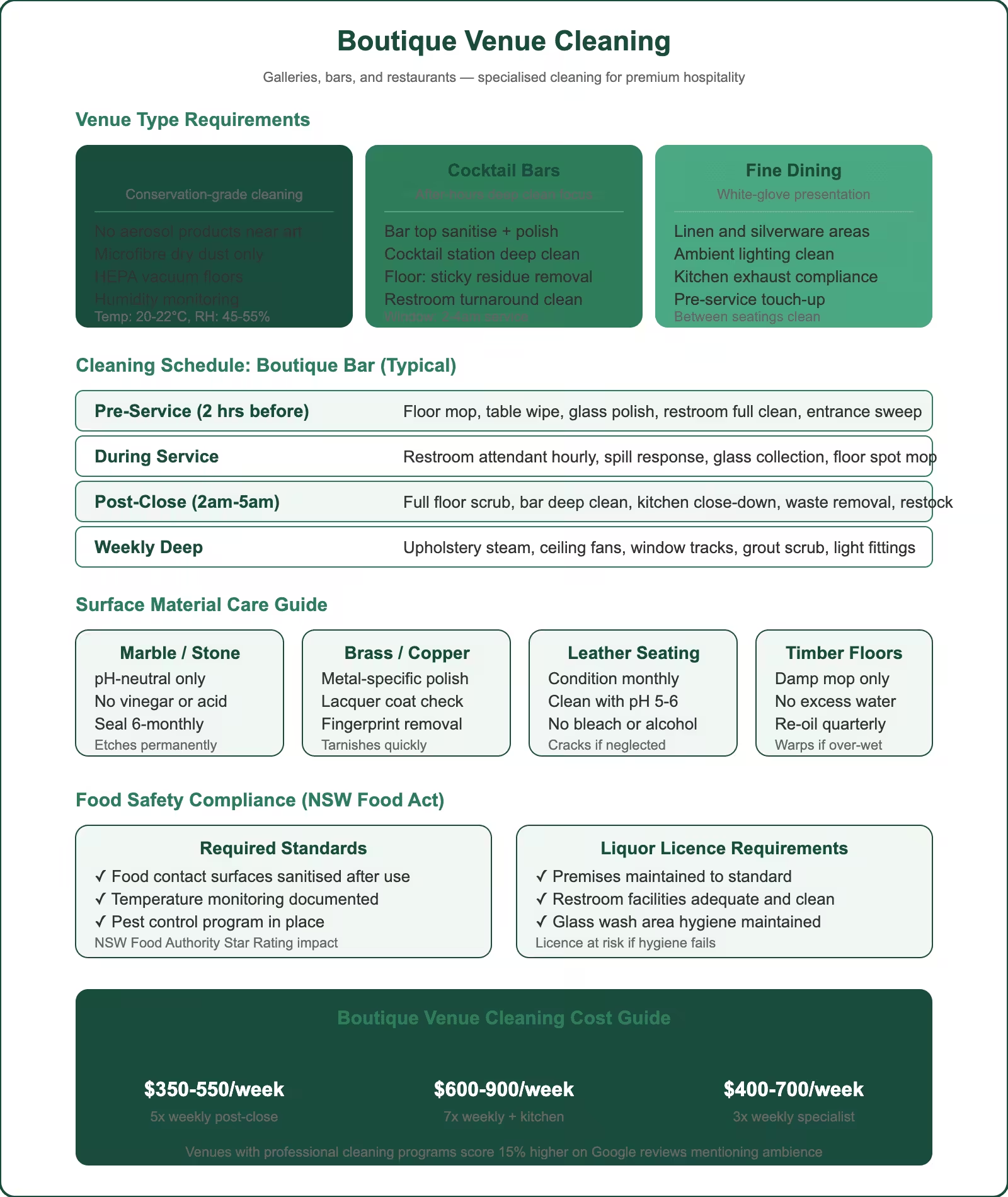
    Boutique venue cleaning guide for galleries bars and restaurants showing venue requirements, schedules, surface care, and food safety compliance
    Boutique venue cleaning guide for galleries bars and restaurants showing venue requirements, schedules, surface care, and food safety compliance

    Boutique Venue Cleaning: Galleries, Bars and Restaurants

    Boutique Venue Cleaning involves specific protocols that we tailor to each facility based on its layout, traffic, and compliance requirements. Boutique venues are small by definition but operate with high expectations. A gallery with 200 square metres of white wall space, carefully lit timber floors, and monthly exhibitions is far more demanding to clean than a 2,000-square-metre warehouse office.

    The difference comes down to density and precision. In a commercial office, you clean high-touch points, floors, desks, and bathrooms. In a gallery, you protect artwork, manage dust particles settling on sculptures or paintings, control humidity around temperature-sensitive pieces, and protect architectural finishes.

    For bars and small restaurants, a 50-seat venue can’t have greasy fingerprints on wine glasses or overlooked spills. The kitchen demands FSANZ-compliant cleaning daily. The grease trap—undersized for small kitchens—needs professional attention. All this must happen before service begins or after it ends.

    Successful cleaning requires: scheduled visits outside trading hours (galleries close at 5–6pm; bars at 2–3am); equipment that doesn’t mark surfaces (soft-bristle brushes, microfibre cloths, pH-neutral products); attention to detail (gallery spaces require three touches—dust removal, surface cleaning, final inspection); and ongoing communication with venue managers.

    Heritage Brick and Timber Care During Ongoing Renovation

    Heritage Brick and Timber Care During Ongoing Renovation requires specific protocols that we tailor to each facility based on its layout, traffic, and compliance requirements. Fish Lane and West End are constantly under renovation. Buildings convert from offices to residences, warehouses become galleries, shopfronts are rebuilt. This creates a specific problem: how do you maintain heritage brick and timber surfaces while construction dust is actively being created?

    Heritage brick facades can look dull and stained if coated with construction dust and mortar splatter. Reclaimed timber shopfronts attract fine particles that settle into wood grain. Exposed-beam ceilings collect dust difficult to remove without damaging finishes. Dust containment becomes critical if you’re cleaning a gallery or ground-floor bar while renovation happens above or next door.

    We manage this through protective sheeting and sealing (plastic sheeting over windows and doorways, protective film on exposed brick, sealed HVAC conduits); dust containment barriers (clear polycarbonate panels or heavy plastic sheeting on aluminium frames to isolate active work areas); specialised cleaning products (alkaline cleaners for brick, never acidic ones; pH-neutral products for timber; low-pressure rinse or hand-cleaning instead of high-pressure spray); and regular intermediate cleaning during renovation periods to prevent dust accumulation.

    Pre-Event and Post-Event Protocols for Arts Venues

    Galleries, performance spaces, and boutique venues operate on an event-driven calendar. A gallery might change exhibitions monthly. A venue might host live music three nights a week. Each creates specific cleaning demands.

    Exhibition changeover happens within 48 hours or less. We work with gallery managers weeks in advance, handling wall cleaning (removing adhesive residue), floor preparation, and debris removal. Opening-night cleaning includes window and glass cleaning, floor polish, wall spot-cleaning, bathroom detailing, and inspection for marks or dust visible under opening-night lighting. Performance venue turnaround occurs between 11pm and 9am—emptying bins, cleaning tables and chairs, mopping floors, sanitising bathrooms. Post-function deep-cleans handle sticky floors, spilled wine, crumbs, and heavily used bathrooms after private functions.

    Food Service Compliance for Boutique Hospitality

    Food Service Compliance for Boutique Hospitality addresses specific protocols that we tailor to each facility based on its layout, traffic, and compliance requirements. Small restaurants, cafes, and bars operate under the same food safety standards as large chains, but with tighter margins and less infrastructure. A boutique venue might have a kitchen the size of a standard office, a grease trap designed for 30 seats but serving 60.

    FSANZ (Food Standards Australia New Zealand) sets the compliance baseline. Brisbane City Council adds local requirements. We verify venues meet both standards.

    Compliance Area Boutique Venue Challenge Our Approach
    Grease trap maintenance Small kitchen = undersized trap; overflow risk if not cleaned regularly Monthly professional cleaning and pump-out; sizing assessment for upgrading if needed
    Kitchen deep-clean frequency Limited closed hours mean less time for detailed cleaning After-hours deep-cleans (late night or early morning) on a schedule matching peak service periods
    Pest control integration Urban density = higher pest pressure; no dedicated external storage area Coordinated cleaning and pest inspection; sealed storage solutions; regular internal audits
    Allergen protocols Cross-contamination risk in shared prep spaces Colour-coded cleaning tools; allergen-aware scheduling; post-service sanitisation of shared surfaces
    Waste management Limited bin and waste storage space on-site Daily waste removal schedule; arrangement with landlord for external waste bins; odour management

    The key principle is simple: we integrate cleaning into the compliance system. This means understanding prep schedules, peak service times, and audit cycles. We’re available for rapid response if issues arise—a grease trap overflow, a pest sighting, or an unexpected inspection.

    Protecting Artwork and Architectural Finishes During Cleaning

    Protecting Artwork and Architectural Finishes During Cleaning targets specific protocols that we tailor to each facility based on its layout, traffic, and compliance requirements. A gallery space is fundamentally different from a warehouse office. You can’t use standard cleaning products near artworks. High-intensity pressure washing damages heritage brick. Acidic tile cleaner etches reclaimed stone. Solvent-based degreasers mark timber finishes.

    We’ve worked with galleries and heritage architects on Fish Lane and West End long enough to understand the chemistry involved. Paintings, sculptures, and installations respond differently to humidity, dust, and chemical fumes. We use non-VOC (volatile organic compound) cleaning products in galleries—products that won’t off-gas or create fumes. We control humidity and avoid high-traffic cleaning during open hours. Large gallery windows are often fitted with UV-filtering glass to protect interior artworks; standard glass cleaners can leave residue that interferes with UV properties, so we use pH-neutral, residue-free cleaners and inspect them under UV light after cleaning. Heritage timber and canvas are sensitive to moisture fluctuation, so we coordinate cleaning schedules with gallery climate control and use microfibre cloths and damp (not wet) techniques rather than spray-based cleaning. Heritage brick facades need alkaline cleaners (pH 10–12), never acidic ones. We use low-pressure application or hand-cleaning. For reclaimed timber shopfronts and heritage wood joinery, we treat surfaces with soft-bristle brushes and pH-neutral cleaners, avoiding high-temperature cleaning or steam that can raise wood grain or damage finishes.

    Mixed-Use Scheduling: Residential Above, Hospitality Below

    Mixed-Use Scheduling: Residential Above, Hospitality Below focuses on specific protocols that we tailor to each facility based on its layout, traffic, and compliance requirements. A defining feature of Fish Lane and West End development is the vertical stacking of uses. Residents live in apartments above bars, galleries below restaurants, offices adjacent to late-night venues. This creates a scheduling puzzle few other precincts face.

    Brisbane City Council has noise limits around the clock, with tighter limits during night hours (10pm–7am). A bar needing deep-cleaning at 11pm must manage noise from pressure washers. We schedule high-noise work during daytime hours when limits are higher. Ground-floor venues must accommodate resident movement. We schedule cleaning around peak resident times—not early morning when residents leave for work. Mixed-use buildings have rules about cleaning schedules and access. We work with building managers to understand these rules and schedule accordingly. We coordinate with other cleaning contractors to avoid scheduling conflicts and achieve consistent standards across the building.

    For insights on maintaining industrial facilities in Brisbane, explore our  Guide on industrial facility cleaning.

    Frequently Asked Questions

    How often should a boutique gallery be cleaned?

    A gallery with monthly exhibitions might need weekly deep-cleans during changeover weeks, then standard weekly or fortnightly cleans during exhibitions. High-traffic galleries might need daily spot-cleaning plus weekly or fortnightly deep-cleans. We assess each space individually.

    Can standard cleaning products be used in galleries?

    Not safely. Standard products often contain VOCs, dyes, or residues that damage artworks or architectural finishes. We use non-VOC products, pH-neutral cleaners, and microfibre techniques. We always test new products on inconspicuous areas first.

    What’s the difference between our grease trap and our neighbour’s?

    Small kitchens often have grease traps sized for lower capacity than peak demand. We assess your specific setup and recommend a maintenance schedule and possible upgrades.

    Can cleaning happen during trading hours?

    Limited cleaning can happen during trading hours—spot-cleaning of high-touch surfaces, emptying bins, light floor work. Deep-cleaning should happen outside trading hours to avoid disrupting customers or creating food safety risks.

    How do body corporates manage cleaning in mixed-use buildings?

    Body corporates set rules about when and where cleaning happens, who’s responsible for which areas, and how costs are allocated. We work with building managers to understand these rules and schedule accordingly.

    For specialised cleaning in Fish Lane and West End—whether you’re managing a gallery, running a boutique restaurant, operating a mixed-use building, or overseeing heritage renovation—our approach is built on experience working in these exact spaces. We understand the chemistry of heritage materials, the compliance demands of food service venues, the scheduling complexity of mixed-use buildings, and the protection that artworks and architectural finishes require. If you need industrial facility cleaning or any other commercial cleaning across Brisbane, we’re experienced across the full range of commercial and retail spaces.

    About Clean Group

    Clean Group is a leading commercial cleaning company with over 25 years of experience, providing professional cleaning services to offices, strata buildings, medical facilities, schools, gyms, and retail spaces across Australia. With a commitment to WHS compliance, eco-friendly practices, and consistent quality, Clean Group delivers tailored cleaning solutions backed by a 100% satisfaction guarantee.

  • Cleaning Guide for Event Venues at RNA Showgrounds Brisbane

    Cleaning Guide for Event Venues at RNA Showgrounds Brisbane

    Cleaning Guide for Event Venues at RNA Showgrounds Brisbane

    The RNA Showgrounds is one of Queensland’s most demanding venues for professional cleaners. With over 600,000 visitors attending the annual Ekka alone, plus 300+ events throughout the year, our team at Clean Group knows the rapid turnaround cleaning requirements that keep this Brisbane landmark running smoothly. Whether you’re managing pavilions, outdoor spaces, or food service areas, the RNA Showgrounds presents unique cleaning challenges that demand speed, precision, and operational experience.

    If you’re looking for office cleaning Brisbane with verified experience in event venue management, understanding these protocols will help you choose a partner who can handle your venue’s demands.

    RNA Showgrounds: Brisbane’s Busiest Multi-Event Venue

    The RNA Showgrounds sprawls across 64 hectares in the heart of Brisbane, hosting everything from the Royal Queensland Show (Ekka) to agricultural competitions, lifestyle expos, concerts, corporate events, and community festivals. The Ekka alone draws 600,000+ visitors over 10 days, leaving behind significant debris, food waste, and soiling. With 300+ events annually, turnaround times often measure in hours, not days. Our experience managing these rapid cycles means we’ve developed streamlined processes that maintain quality without sacrificing speed.

    The Three-Stage Cleaning Protocol: Pre-Event, During-Event, Post-Event

    Successful event venue cleaning follows a three-stage model refined across Queensland venue management. Before guests arrive, our crews establish the “neutral state”—a clean, sanitised baseline. This includes vacuuming carpeted areas, wiping down touch-points (handrails, door handles, light switches), emptying bins, and inspecting restrooms. Equipment staging positions rubbish bins, sanitiser dispensers, and mop stations at high-traffic zones. Traffic flow planning prevents our cleaning paths from interfering with guest movement and maintains clear sightlines to problem areas throughout the event.

    Large venues require strategic equipment placement. We position mobile restroom sanitiser stations near corridors, stage industrial vacuums at central points, and pre-stage pressure washing equipment for outdoor areas. Crew positioning follows a zone-based model: each team owns a defined area and is accountable for maintaining it throughout the event. This distributed responsibility prevents any zone from falling behind.

    During-Event Maintenance: Restroom Checks and Touch-Point Rotation

    During-Event Maintenance: Restroom Checks and Touch-Point Rotation requires specific protocols that we tailor to each facility based on its layout, traffic, and compliance requirements. Event venues rarely stay clean without active, scheduled intervention during operations. Restrooms are the most visible indicator of venue cleanliness to guests. Our teams conduct restroom checks every 15 to 30 minutes during events, depending on visitor volume. Each check includes verifying supplies, wiping vanities and mirrors, mopping floors, emptying bins, and sanitising frequently touched surfaces. We use restroom logsheets to record check times and any issues, maintaining accountability and consistency.

    Beyond restrooms, high-touch surfaces throughout the venue—handrails, door handles, payment terminals, seating areas, light switches—receive scheduled sanitisation every 30 to 60 minutes. We use colour-coded microfibre cloths and EPA-registered sanitisers to prevent cross-contamination. Our crews rotate through designated zones, maintaining consistent coverage without overlap. During high-traffic periods and meal service, we increase sanitisation frequency.

    Visible rubbish and spills dramatically impact guest perception. Our teams conduct trash collection rounds every 30 to 60 minutes, emptying all bins and spot-cleaning around stations. Spill response is immediate: crew members are empowered to address small spills within seconds. We use absorbent materials for liquids, remove debris quickly, and sanitise affected areas to prevent slips and bacterial growth.

    Post-Event Restoration and Rapid Turnaround

    Post-event cleaning tests our operational capability when events run consecutively, with only a few hours between close and next setup. Our post-event protocol is rigorous and time-bound. We vacuum all carpet and upholstered areas thoroughly, including under seats and cushions. Hard floors are swept, mopped, and dried. All touch-points are sanitised a final time. Restrooms receive full deep cleaning: toilet bowls are scrubbed and disinfected, tiles are cleaned, and all fixtures are polished.

    For large events, we deploy 15 to 50+ crew members depending on venue size and turnaround time. A coordinated approach—with designated teams for restrooms, carpeted areas, hard floors, and outdoor spaces—completes the full clean within the agreed timeframe. Some events allow next-day restoration, giving our crews more flexibility for thorough work on details like grout cleaning, window washing, and upholstery care. Same-day resets require larger crews and ruthlessly prioritised tasks: we focus on guest-facing areas first (seating, concourses, restrooms) before moving to back-of-house areas.

    Before handing the venue back to management, our supervisors work through a detailed quality checklist. This includes visual inspections of all carpet, hard floors, restrooms, and touch-points; verification that all bins are empty and bin liners are fresh; and a final walk-through with the venue manager. The checklist prevents oversights and gives clients confidence that the space is truly ready for the next event.

    Concession Stand and Food Service Area Deep Cleaning

    Food service areas at the RNA Showgrounds present specialised cleaning demands governed by food safety regulations. Our teams are trained in FSANZ Food Standards Code 3.2.2 requirements for food contact surfaces and facility cleanliness. Concession stands and catering kitchens accumulate grease rapidly during high-volume events. We conduct exhaust hood degreasing as part of post-event deep cleaning, using alkaline degreasers and pressure equipment to remove baked-on grease from hood surfaces, filters, and ducting. This prevents fire hazards and maintains air quality.

    All surfaces that contact food or drink—benches, cutting boards, serving utensils, drink dispensers—are sanitised with approved food-safe sanitisers. We verify contact time meets manufacturer specifications and rinse appropriately to prevent residue. During events, our teams monitor food service areas every 30 to 45 minutes, wiping down high-contact surfaces and managing spill cleanup immediately.

    Seating Area and Grandstand Restoration

    The RNA Showgrounds’ seating areas—from carpeted theatre-style sections to concrete bleachers—require specialised cleaning approaches. Carpeted seating in pavilions is vacuumed thoroughly post-event, then spot-cleaned where necessary using approved extraction equipment. Armrests and cup holders are wiped down with sanitiser. Stubborn stains may require follow-up treatment using enzyme-based spotters that break down organic matter without damaging fabrics.

    Outdoor concrete bleachers accumulate mud, debris, and organic growth, especially after Brisbane’s wet season. We power wash these areas using 2,000 to 3,000 PSI equipment, working from top to bottom to prevent re-soiling lower sections. Pressure washing is followed by a sanitising rinse to eliminate bacterial and fungal growth. Debris extraction—removing dirt from crevices and under seat edges—is performed after washing to prevent water pooling.

    Staffing and Equipment for Large-Scale Venue Cleaning

    Staffing and Equipment for Large-Scale Venue Cleaning focuses on specific protocols that we tailor to each facility based on its layout, traffic, and compliance requirements. The RNA Showgrounds’ 64-hectare footprint and multiple simultaneous events demand carefully planned staffing and equipment strategies. Our crew sizing guidelines are based on seating capacity and turnaround time. A 5,000-seat venue with 8-hour turnaround typically requires 15 to 25 crew members. A 10,000+ seat venue may require 30 to 50 crew members.

    Venue Capacity Turnaround Time Recommended Crew Size Key Equipment
    5,000 seats 8 hours 15–25 crew Industrial vacuums, mops, sanitisers
    10,000+ seats 6 hours 30–50 crew Ride-on scrubbers, multiple vacuums, pressure washers
    Outdoor pavilions 4–6 hours 10–20 crew Pressure washers, brooms, debris removal equipment

    Our equipment fleet includes industrial-grade vacuum cleaners with HEPA filtration, ride-on scrubbers capable of covering large hard-floor areas efficiently, and pressure washers rated between 2,000 and 3,500 PSI for outdoor concrete. We also deploy portable restroom sanitiser stations, mop buckets with wringer systems, and colour-coded microfibre cloth systems. Backup equipment is needed when events run consecutively; if a pressure washer fails mid-event, we have spares on-site to maintain schedule. Equipment maintenance is performed weekly, with deep servicing quarterly.

    Wet Season Mud and Outdoor Pavilion Management

    Brisbane’s wet season (November to March) creates unique challenges for outdoor venue cleaning. When events occur during wet season months, muddy grounds are inevitable. Our protocol includes positioning absorbent mats at entry points to reduce tracked-in mud. We increase frequency of outdoor area sweeping and use water removal equipment (squeegees, wet vacuums) to prevent pooling. After heavy rain, we assess ground conditions and may postpone certain cleaning activities until water levels drop and surfaces are safer.

    We communicate with venue management about realistic turnaround timelines during wet season. Our crews are trained in wet-season hazard management: slippery surfaces, electrical safety around standing water, and proper drainage maintenance. Outdoor pavilions at the RNA Showgrounds are typically large roofed structures open on sides. We power wash pavilion concrete floors and deck areas, checking that water drains properly. Guttering and downpipes are cleared of debris to maintain drainage, preventing water damage and mosquito breeding grounds.

    For practical advice on maintaining creative spaces, explore our guide on arts precinct cleaning.

    Frequently Asked Questions

    How often should restrooms be checked during a large event at the RNA Showgrounds?

    We recommend restroom checks every 15 to 30 minutes during active events, depending on visitor volume. For the Ekka or other high-traffic events, 15-minute checks are standard. Smaller events may stretch to 30-minute intervals. Our crews use logsheets to record check times and any issues, maintaining accountability and consistency.

    What’s the difference between same-day and next-day event resets?

    Same-day resets occur when two events run back-to-back with only 4 to 8 hours between close and next setup. These require larger crews and prioritise guest-facing areas first. Next-day resets allow more thorough deep cleaning, including grout work, window washing, and upholstery care. Both approaches meet full cleaning standards; the timeline determines which tasks are prioritised first.

    How many crew members are needed for a 10,000-seat venue with a 6-hour turnaround?

    A 10,000-seat venue with a 6-hour turnaround typically requires 30 to 50 crew members, depending on the venue’s post-event condition and detail level required. Our team uses a zone-based approach where each group owns a specific area, maintaining coordinated, efficient cleaning. Supervisors oversee quality and timeline management.

    What food safety standards govern cleaning at the RNA Showgrounds’ food service areas?

    Food service areas must comply with FSANZ Food Standards Code 3.2.2, which governs facility cleanliness and food contact surface sanitisation. All surfaces touching food or drink must be sanitised with approved food-safe sanitisers. We conduct scheduled sanitisation every 30 to 45 minutes during events and perform full deep cleaning post-event, including grease extraction from exhaust hoods and degreasing of all cooking surfaces.

    How do you handle cleaning outdoor pavilions during Brisbane’s wet season?

    During November to March, wet-season cleaning requires positioning absorbent mats at entries to reduce mud tracking, increasing sweep frequency, and using water removal equipment to prevent pooling. We assess ground conditions after heavy rain and communicate realistic timelines with venue management. Drainage maintenance is part of our pavilion cleaning protocol year-round, especially critical during wet months.

    About Clean Group

    Clean Group is a leading commercial cleaning company with over 25 years of experience, providing professional cleaning services to offices, strata buildings, medical facilities, schools, gyms, and retail spaces across Australia. With a commitment to WHS compliance, eco-friendly practices, and consistent quality, Clean Group delivers tailored cleaning solutions backed by a 100% satisfaction guarantee.
    For event venue cleaning at the RNA Showgrounds or other Brisbane locations, our team brings decades of experience managing rapid turnaround, high-volume cleaning operations. Contact Clean Group today to discuss your venue’s cleaning requirements and discover how our expertise can keep your space guest-ready, no matter the event. We also specialise in arts precinct cleaning services across Brisbane’s cultural districts.

  • Cleaning Guide for Medical Facilities in Herston Health Precinct

    Cleaning Guide for Medical Facilities in Herston Health Precinct

    South Bank is one of Brisbane’s iconic riverside precincts, home to cultural venues, parklands, and commercial spaces. Our team at Commercial cleaning services Brisbane understands the specific demands riverside locations present. The South Bank Parklands, QPAC, GOMA, and the Queensland Museum all require cleaning strategies that account for the region’s unique environmental challenges.

    When the Brisbane River rises—as in 2011 and 2022—riverside precincts face compounded restoration demands. Our crews manage post-flood humidity, mould remediation under IICRC S520 standards, and careful preservation of heritage structures and cultural assets. The subtropical Brisbane climate, with its wet season November to March, keeps humidity consistently high even outside floods. For facility managers in South Bank, understanding these challenges is critical to protecting infrastructure and occupant health.

    Riverside precinct cleaning challenges showing moisture and humidity issues, pest pressure, high-traffic mixed use, external surface degradation, and recommended approach
    Riverside precinct cleaning challenges showing moisture and humidity issues, pest pressure, high-traffic mixed use, external surface degradation, and recommended approach

    Understanding South Bank’s Riverside Cleaning Challenges

    The South Bank precinct sits within Brisbane’s most dynamic urban waterfront environment. Streets Beach, the Parklands, and the Brisbane Convention & Exhibition Centre all operate in close proximity to the Brisbane River, which means humidity, moisture infiltration, and flood risk are year-round considerations. Unlike inland commercial spaces, riverside buildings experience accelerated moisture ingress through walls, HVAC systems, and structural joints.

    Our team’s experience across QPAC, GOMA, and the State Library shows that standard commercial cleaning approaches fall short. The subtropical climate—with humidity readings between 60–75%—creates ideal mould growth conditions when moisture management lapses. Cultural venues require climate-controlled environments and chemical protocols that don’t damage finishes or artworks. A single HVAC failure can compromise climate control within hours.

    Why Location Matters for Cleaning Protocols

    Riverside geography introduces moisture variability. Buildings within 200 metres of the Brisbane River experience higher groundwater tables, capillary rise, and greater wind-driven rain exposure. The Workplace Health and Safety Act 2011 (QLD) requires maintaining indoor air quality below specific thresholds. For South Bank venues, this means active humidity control rather than reactive cleaning.

    Post-Flood Restoration and Water Damage Remediation

    Brisbane’s 2011 and 2022 flood events demonstrated the critical importance of swift, compliant restoration. Within 24 to 48 hours of standing water exposure, mould colonisation begins. Our flood restoration protocols for South Bank commercial spaces follow IICRC S520 (Professional Mould Remediation) standards and integrate with SafeWork Queensland requirements.

    One missed sanitisation cycle can compromise patient safety protocols.

    Immediate Response Protocol

    The first 72 hours determine long-term outcomes. Our team deploys industrial water extraction equipment to remove standing water from QPAC, GOMA, and commercial office spaces. We establish perimeter containment and dehumidification units rated for the affected space. For heritage buildings like the State Library, we coordinate with conservation teams to protect archival materials and perform restoration without compromising structural integrity.

    Beyond water removal, we apply HEPA filtration throughout work zones to prevent mould spores spreading. Contaminated drywall, carpeting, and soft furnishings are removed. Structural elements are dried over 2–4 weeks depending on saturation depth. We use moisture meters to verify relative humidity stabilises below 65% before handing areas back to facility teams.

    Mould Remediation and Anti-Microbial Treatment

    Once structural drying is complete, our crews apply IICRC-compliant mould remediation. All surfaces are HEPA-vacuumed and treated with approved anti-microbial solutions. For cultural venues, we specify heritage-safe compounds that won’t damage collections. Air scrubbing with HEPA and activated carbon filtration continues 48–72 hours to clear residual spores.

    Subtropical Humidity and Mould Prevention for Commercial Spaces

    Brisbane’s subtropical climate presents a year-round humidity challenge distinct from inland Australian cities. Between November and March, the wet season pushes relative humidity regularly above 75%. Even outside flood events, HVAC systems must maintain indoor humidity between 30–50% to prevent mould proliferation, per AS/NZS 3666 (Air handling and water systems) and EPA guidance.

    Humidity Monitoring and Control Strategy

    Our integrated approach begins with baseline humidity mapping. We install hygrometers across key zones—lobbies, storage areas, and mechanical rooms—to identify moisture hotspots. For QPAC and GOMA, we recommend automated humidity monitoring systems with alerts at 60% relative humidity. Once threshold breach occurs, dehumidification and HVAC adjustment happen within minutes.

    Regular HVAC filter changes—every 30 days in high-humidity zones—prevent microbial growth on filter media and coils. Ductwork inspection at 12-month intervals catches condensation before it spreads mould downstream. The Brisbane Convention & Exhibition Centre benefits from pre-season HVAC audits that verify compressor capacity, drain pan integrity, and discharge pathways.

    Addressing Capillary Rise in Riverside Structures

    Commercial buildings near the Brisbane River experience moisture migration through concrete slabs due to water table proximity. Capillary rise—upward movement of moisture through masonry—can saturate foundation surfaces 1–2 metres above grade. Standard mopping cannot address this; instead, we recommend:

    • Installation of capillary breaks or moisture barriers in new construction
    • Application of breathable sealants (not plastic films) to allow trapped moisture to evaporate
    • Perimeter sump pumps and ground-level dehumidification in basement or ground-floor spaces
    • Regular inspection of expansion joints, cracks, and weep holes that allow water infiltration

    For existing structures, our team works with building engineers to assess capillary rise risk and design targeted remediation. The cost of preventive measures is far lower than the cumulative cost of repeated mould remediation and air quality complaints.

    Specialised Cleaning for Cultural Venues and Heritage Spaces

    QPAC, GOMA, the Queensland Museum, and the State Library operate under distinct conservation standards. Cleaning these venues requires knowledge beyond standard commercial facility management.

    Medical staff notice cleaning inconsistency within hours, not days.

    Climate and Material Considerations

    Cultural institutions house irreplaceable collections—artworks, manuscripts, and artefacts—each with specific environmental tolerances. GOMA’s Gallery spaces require humidity within ±5% of targets. QPAC’s theatres demand rapid air changes without vibration or acoustic interference. The State Library’s special collections vaults must maintain <40% relative humidity to preserve materials.

    Our crews are trained in heritage conservation and understand the difference between archival-safe cleaning agents (pH-neutral, residue-free), surface-appropriate techniques (soft-bristle only for some materials), and vacuum systems rated for delicate materials (never standard shop vacs).

    Performance and Event Space Protocols

    QPAC’s theatres, studios, and foyer areas demand flexible scheduling to accommodate performances. Our team coordinates cleaning during closure windows—typically early morning or overnight—ensuring no residual odours, dust, or chemical traces remain during performances. We use approved cleaning products for stage floors, seating, and sound equipment, avoiding substances that compromise acoustic properties.

    Wet Season Preparedness and Maintenance Schedules

    Brisbane’s wet season (November–March) is not a time for standard cleaning regimes. Facilities across South Bank must shift to proactive moisture management and preventive maintenance.

    Pre-Wet Season Audit Checklist

    System / Component Action Required Frequency
    HVAC coils and condensate drains Professional cleaning and inspection; verify drain slope Monthly (Nov–Mar)
    Roof penetrations, seals, guttering Inspect for cracks, blockages; clear debris Pre-season + after heavy rain
    Basement / ground-floor sump systems Test pump operation; confirm discharge pathway is clear Monthly
    Humidity levels across zones Establish baseline; schedule daily logging Daily (Nov–Mar)
    Flood barriers, removable dams, sandbags Verify accessibility and functionality Pre-season
    Upholstery, soft furnishings in high-risk areas Move to elevated storage or apply water-resistant covers Before wet season onset

    Scheduled Maintenance Between Flood Events

    Our monthly protocols for South Bank facilities include ductwork inspection for condensation, floor slab inspections for cracks admitting moisture, and chemical drain treatments to prevent biofilm growth. Quarterly deep-clean HVAC treatments remove dust and biological growth common in humid conditions.

    Active Humidity Management Beyond Cleaning

    International best practices show that mechanical dehumidification integrated into facility operations prevents moisture accumulation. Refrigerant dehumidifiers cool air below its dew point, while desiccant systems use silica gel to absorb moisture directly. For South Bank spaces, we recommend portable industrial dehumidifiers (50–100 litres/day capacity) in basement zones and ducted systems for larger facilities like QPAC and GOMA. Automated monitoring dashboards trigger alerts at 60% relative humidity, maintaining target ranges cost-effectively. The operational cost—typically 500–800 kWh monthly—is substantially lower than a single mould remediation event.

    Cross-contamination in healthcare spaces triggers compliance investigations.

    Flood Insurance Compliance and Facility Readiness

    Many South Bank facility managers are unaware that their commercial property and contents insurance policies include specific maintenance and readiness clauses. Underwriters may deny claims if flood damage occurs in buildings where documented preventive measures (HVAC maintenance, humidity logging, drain inspection) were neglected.

    Our team maintains detailed compliance documentation: photographic records of pre-season inspections, monthly humidity logs, HVAC service certificates, and incident reports. This documentation protects facility managers when liaising with insurers and demonstrates due diligence to SafeWork Queensland auditors. For organisations hosting collections or sensitive operations—like the galleries within GOMA or performance archiving at QPAC—maintaining this audit trail is critical to both insurance and operational continuity. For information on heritage wharf cleaning and broader riverside facility maintenance, our team also specialises in heritage wharf cleaning solutions across Brisbane’s waterfront precincts.

    The 48-Hour Emergency Window and Content Salvage

    The critical window for intervention after water intrusion is 48 hours. This timeframe aligns with the IICRC S500 standard for water damage mitigation. Beyond this window, mould colonisation begins on saturated materials, and recovery becomes substantially more difficult and expensive. Our response protocol focuses on immediate salvage of high-value content before microbial establishment occurs.

    Document and Content Salvage Procedures

    For facilities like the State Library and GOMA housing archival materials, immediate salvage is non-negotiable. Paper documents, photographs, and manuscripts submerged in floodwater face mould colonisation within 48 hours if left wet. Our team coordinates rapid freeze-drying protocols: documents are placed in sterile containers, transported to specialised freeze-drying chambers, and thawed slowly under controlled humidity to prevent cockling and ink bleeding. This method preserves documents that would otherwise be total losses. For electronics and digital storage equipment, vacuum thermal drying removes moisture from circuit boards and internal components without heat damage. Hard drives and backup systems are prioritised first, given their irreplaceable data value to cultural institutions and commercial operations.

    Prioritisation of Salvageable vs Non-Salvageable Materials

    Not all flooded materials warrant salvage effort. Our team applies practical triage: high-value archival items, electronics, furniture with structural integrity, and artworks receive priority. Saturated drywall, carpeting, fibreglass insulation, and porous materials contaminated by river sediment are classified as non-salvageable and removed immediately. This prioritisation prevents crossover of microbial spores from contaminated items to recoverable materials. We document all decisions photographically for insurance purposes.

    Dehumidification Staging and Monitoring

    After initial water extraction, multi-stage dehumidification begins. First-stage systems operate at high capacity (100+ litres/day) to reduce absolute humidity. Secondary-stage systems using desiccant technology take over once bulk moisture is removed, maintaining relative humidity below 50% as materials dry. For South Bank facilities, we stage equipment based on floor area and material type: theatres and performance spaces require rapid drying without temperature swings that affect acoustic properties; vaults and special collections demand slower, more controlled dehumidification to prevent material stress.

    Building Envelope Moisture Management

    The building envelope comprises three moisture barrier layers working together. Understanding their interaction prevents chronic moisture problems in riverside structures near the Brisbane River. South Bank buildings experience unique exposure: proximity to groundwater, tidal influences, and persistent subtropical humidity test envelope integrity year-round.

    The Three Moisture Barrier Layers and Their Function

    The water barrier (outermost) sheds liquid water from rain and rising damp. Below sits the air barrier, which prevents wind-driven moisture from entering cavities. The vapour barrier (innermost) restricts moisture-laden air from diffusing into walls, preventing condensation within insulation. For riverside buildings, all three must function together: a failed water barrier allows bulk water entry; a failed air barrier permits wind-driven moisture penetration; a failed vapour barrier allows interior humidity to condense in cavities where mould thrives. Commercial buildings in South Bank often exhibit failures around window perimeters, expansion joints, and mechanical penetrations.

    Capillary Rise in Riverside Foundations

    Buildings within 200 metres of the Brisbane River experience capillary rise—the upward migration of groundwater through concrete and masonry. Water wicks 1–2 metres above the natural water table through microscopic pores. South Bank’s location near Streets Beach and the Parklands means foundation slabs sit above the local water table, allowing capillary rise to saturate surfaces with persistent dampness. Once established, passive drying becomes impossible without intervention. Our team prescribes moisture barriers, breathable sealants, perimeter sump systems, and for critical spaces, electric drying systems or salts-based remediation approved by AS 3740 (Waterproofing Assemblies).

    Drainage Mat Systems and Waterproofing Membrane Inspection

    Modern riverside buildings employ drainage mats—plastic products with raised nodules installed against foundation walls—that channel water downward toward foundation drains. Annual inspection confirms mats are seated correctly, drains discharge properly, and sediment doesn’t block flow. Waterproofing membranes (bituminous coatings or spray-applied systems) must be assessed for cracks and adhesion loss at expansion joints and penetrations. For existing South Bank buildings predating modern drainage, retrofitting these systems is often the only effective capillary rise solution. Our inspections use moisture meters to identify saturation zones, guiding targeted remediation.

    For practical advice on maintaining event spaces, explore our guide on event venue cleaning.

    Frequently Asked Questions

    How quickly does mould grow after a flood in Brisbane?

    Mould colonisation begins within 24 to 48 hours of water exposure. Our experience managing post-flood sites across South Bank Parklands shows that swift water extraction followed by aggressive dehumidification is the only effective intervention. We follow IICRC S520 protocols and deploy industrial-grade equipment immediately to prevent mould establishment.

    What humidity level should we maintain in commercial spaces?

    The EPA and AS/NZS 3666 recommend maintaining indoor relative humidity between 30–50%. For Brisbane’s subtropical climate, most facilities sustain 50–60% during non-flood periods, but humidity above 65% accelerates mould risk. Active HVAC management and supplementary dehumidification during wet season help maintain target levels. For cultural venues like GOMA and the Queensland Museum, humidity targets are tighter (±5% of setpoint) to protect collections.

    Is post-flood cleaning covered by standard contracts?

    No. Standard contracts exclude water damage restoration, mould remediation, and structural drying. Flood response requires specialized IICRC certification and restoration-specific insurance distinct from operational cleaning. Our team maintains separate flood restoration credentials to deliver compliant restoration under QLD workplace health and safety standards.

    Can we prevent capillary rise near the Brisbane River?

    Complete elimination is not possible in older structures, but mitigation is achievable. Capillary breaks, moisture barriers, and enhanced drainage reduce upward moisture migration. Perimeter sump systems and ground-level dehumidification have successfully managed capillary rise in riverside buildings including the Brisbane Convention & Exhibition Centre.

    About Clean Group

    Clean Group is a leading commercial cleaning company with over 25 years of experience, providing professional cleaning services to offices, strata buildings, medical facilities, schools, gyms, and retail spaces across Australia. With a commitment to WHS compliance, eco-friendly practices, and consistent quality, Clean Group delivers tailored cleaning solutions backed by a 100% satisfaction guarantee.

    Testing Frequency and Sampling Protocol

    Our testing schedules match facility risk profiles. Critical areas—operating theatres, intensive care units, and QIMR Berghofer research labs—receive daily ATP testing with results documented for compliance audits. General patient wards receive weekly testing, whilst lower-risk spaces are sampled fortnightly. We use standardised swab kits, sampling multiple high-touch surfaces at each location: bed rails, door handles, light switches, and equipment controls. Swab technique remains consistent across our team, ensuring reliable trending data that supports continuous improvement in cleaning protocols. This objective verification meets clinical governance expectations and provides Metro North Hospital and Health Service infection control teams with measurable evidence of cleaning performance.

    Disinfectant Contact Time Science and Product Selection

    Effective disinfection requires understanding the difference between cleaning (physical removal of soil and organic matter) and disinfection (killing pathogens on surfaces). Contact time—the period a disinfectant must remain wet on a surface to achieve specified kill rates—is critical to success. Using the wrong contact time or product concentration can leave pathogens viable, compromising infection control despite appearance of cleanliness.

    Contact Time Requirements by Product Class

    Different disinfectant classes demand different exposure periods. Quaternary ammonium compounds typically require 10 minutes of wet contact time to achieve efficacy against most healthcare pathogens. Accelerated hydrogen peroxide works faster, achieving kill rates in just 1 minute, making it ideal for high-touch surfaces requiring rapid turnaround. Sodium hypochlorite (bleach-based solutions) at 1000 ppm concentration also requires approximately 10 minutes contact time. We select products based on surface material, target pathogens, and available time between patient occupancy. For RBWH surgical areas where speed matters, we favour faster-acting agents; for thorough environmental disinfection in research labs, we allow adequate contact time regardless of duration.

    TGA Approval and ARTG Listing Requirements

    All hospital-grade disinfectants used at Herston Health Precinct must carry Therapeutic Goods Administration approval and appear on the Australian Register of Therapeutic Goods (ARTG). We maintain current product documentation showing TGA registration numbers and confirmed efficacy against relevant pathogens—MRSA, VRE, and other multi-drug resistant organisms common in healthcare settings. Product compatibility with different surface materials (stainless steel, plastics, painted surfaces) guides our selection. We balance efficacy, contact time, material compatibility, and cost-effectiveness to deliver infection control that meets regulatory standards and clinical expectations.

    BSL Containment Level Cleaning Differences

    Biosafety level (BSL) classification determines the hazard control measures required when handling biological materials. QIMR Berghofer operates across multiple BSL levels, and our team understands how cleaning protocols differ depending on the containment level of each laboratory space. BSL-1 facilities handle non-pathogenic organisms with minimal hazard; BSL-2 laboratories work with moderate-risk agents including Staphylococcus aureus and other human pathogens; BSL-3 facilities manage serious pathogens like Mycobacterium tuberculosis. Each level requires progressively stringent cleaning and decontamination procedures.

    Entry and Exit Decontamination Procedures

    BSL-1 areas require standard cleaning protocols with basic PPE (gloves and laboratory coat). BSL-2 facilities require personnel to shower or at minimum change outer clothing before leaving the laboratory. Our cleaning team works with laboratory managers to schedule decontamination after personnel exit, applying disinfectants compatible with equipment and surfaces. BSL-3 areas demand even more rigorous controls: biosafety cabinets operate at negative pressure, and all waste—including cleaning materials—must be autoclaved at 121°C for 30+ minutes before leaving the facility. We coordinate with institutional biosafety committees to confirm decontamination is complete and waste properly sterilised before removal.

    PPE and Autoclaving Requirements

    Our team members working in BSL-2 and BSL-3 facilities wear full PPE including double gloves, respiratory protection where required, and protective gowns covering entire body. All materials used during cleaning—mops, cloths, chemical containers—become biohazard waste requiring autoclaving. We understand these heightened protocols reflect genuine infection control risk: BSL-3 pathogens pose serious health consequences if exposure occurs. Our cleaning procedures at QIMR Berghofer align with AS/NZS 2243.3 (Safety in Laboratories) and institutional biosafety committee oversight. This rigorous approach protects our team, facility staff, and the broader community.

    Frequently Asked Questions

    What disinfectants are safe to use on medical equipment in Herston Health Precinct facilities?

    Only TGA-approved disinfectants should be used on medical equipment. Many disinfectants can damage equipment surfaces or leave residues affecting function. We consult equipment manufacturers’ specifications and coordinate with infection control teams to select appropriate agents. For sensitive equipment like computer monitors or patient monitors, alcohol-based disinfectants applied to microfibre cloths are often preferred over liquid sprays.

    How do you verify that cleanroom environments at QIMR Berghofer meet ISO 14644 classifications?

    We conduct particle counting at defined intervals using calibrated particle counters. Samples are taken at multiple locations within the cleanroom and compared against ISO 14644-1 thresholds for the specified classification. We document results in cleaning logs provided to laboratory management, supporting compliance audits and continuous improvement.

    What training do your team members receive before working in hospital and research settings?

    Our cleaners complete induction training specific to each facility, covering bloodborne pathogen exposure control, hazard identification, emergency procedures, and communication protocols with clinical staff. We provide annual refresher training in infection control and WHS requirements. Crews working in research laboratories with biological safety cabinets receive additional training in BSC protocols and decontamination procedures.

    How do you manage cleaning during patient care activities in RBWH wards?

    We coordinate cleaning schedules with ward management to minimise disruption to patient care. Morning terminal cleans are typically scheduled before patient admissions, whilst high-touch surface disinfection occurs throughout the day during periods of lower clinical activity. We communicate directly with nursing staff to identify the best times for room cleaning and confirm all clinical activities have been cleared.

    Can your team handle biohazard cleanup if a spill or contamination event occurs?

    Our team is trained to respond to minor spills within scope, but major biohazard incidents require coordination with hospital infection control and occupational health. We provide initial containment and isolation of affected areas, then work with hospital safety officers to determine appropriate cleanup procedures. All hazardous waste from spill cleanup follows clinical waste segregation protocols.

    About Clean Group

    Clean Group is a leading commercial cleaning company with over 25 years of experience, providing professional cleaning services to offices, strata buildings, medical facilities, schools, gyms, and retail spaces across Australia. With a commitment to WHS compliance, eco-friendly practices, and consistent quality, Clean Group delivers tailored cleaning solutions backed by a 100% satisfaction guarantee.
    Our work in medical facilities at Herston Health Precinct, RBWH, and research institutes across Queensland reflects our deep understanding of infection control, clinical sterilisation standards, and the regulatory environment governing healthcare cleaning. Whether you operate a teaching hospital like RBWH, a research facility like QIMR Berghofer, or a specialised medical precinct, Clean Group brings the expertise necessary to maintain standards and support clinical excellence. Explore our full range of commercial cleaning services today.

  • Cleaning Guide for Waterfront Developments in Northshore Hamilton

    Cleaning Guide for Waterfront Developments in Northshore Hamilton

    The Northshore Hamilton waterfront development spans 304 hectares across a 3-kilometre stretch of the Brisbane River, making it Queensland’s largest urban renewal project. This mixed-use precinct combines high-rise residential towers, retail precincts, and leisure spaces that demand specialised cleaning expertise. Our team at Clean Group has spent over 25 years managing Brisbane commercial cleaning services, and we understand the distinct challenges that waterfront properties face. From salt spray on balconies to subtropical storm debris accumulation, Northshore Hamilton’s waterfront buildings require a strategic approach to maintenance.

    Northshore Hamilton’s Unique Waterfront Cleaning Challenges

    The Northshore Hamilton Urban Renewal project, designated as a Priority Development Area (PDA) by Economic Development Queensland (EDQ), introduces cleaning demands unlike traditional Brisbane commercial developments. The precinct is designed to accommodate 24,500 planned residents across mixed-use buildings that directly overlook the Brisbane River and face outward to water views.

    Our crews understand that waterfront locations create compounded wear. Salt spray deposits from the river combine with humidity and subtropical weather patterns to accelerate surface degradation on balconies, glazed surfaces, and building facades. The elevated salt content in the air travels further inland than many property managers expect—up to 10 kilometres inland in some circumstances. Regular, targeted washing is not optional; it’s a maintenance requirement.

    River-facing exposures also collect fine particulates and organic matter that dry dust cleaning cannot address. Our team applies water reclamation systems during washdowns to comply with Brisbane’s stormwater management standards while protecting the Brisbane River environment. Each high-rise building in Northshore Hamilton requires documented cleaning protocols that align with environmental regulations.

    High-Rise Glass Facade and Balcony Cleaning

    Rope Access and Specialist Access Methods

    High-Rise Glass Facade and Balcony Cleaning involves specific protocols that we tailor to each facility based on its layout, traffic, and compliance requirements. The mixed-use towers in Northshore Hamilton feature extensive glazing—floor-to-ceiling windows, glass balustrades, and transparent architectural elements that define the development’s aesthetic. Conventional ladder and platform access is impractical for most river-facing facades. Our team utilises Building Maintenance Unit (BMU) systems where installed, and rope access cleaning techniques (abseiling) using trained IRATA technicians for complex geometries.

    Rope access allows our crews to position themselves safely at any point along a facade, freeing both hands for careful cleaning work. This method suits Northshore Hamilton’s irregular building profiles and waterfront setbacks. Setup time is measured in hours rather than days, minimising disruption to retail precincts and residential units below.

    Deionised Water Systems for Streak-Free Finishes

    Salt spray leaves mineral deposits that ordinary water cannot remove. Our team applies deionised water systems—water purified of salts and minerals—to achieve transparent finishes on river-facing glass facades. This approach is particularly critical for Northshore Hamilton, where building aesthetics directly influence property values and tenant experience. Deionised water prevents the white residue that tap water leaves behind, maintaining the clean, modern appearance that high-rise towers demand.

    Balcony Membrane Cleaning and Salt Corrosion Prevention

    Balconies in Northshore Hamilton experience direct salt spray exposure. Waterproofing membranes and surface coatings accumulate salt crystals that accelerate cracking and deterioration. Our cleaning protocols include gentle yet thorough washing that removes salt deposits without damaging protective membranes. We recommend quarterly cleaning schedules for ocean-side balconies during high-humidity seasons.

    Salt Spray Corrosion Prevention for Building Exteriors

    Understanding Salt Corrosion in Subtropical Waterfront Environments

    Salt Spray Corrosion Prevention for Building Exteriors requires specific protocols that we tailor to each facility based on its layout, traffic, and compliance requirements. Northshore Hamilton’s location on the Brisbane River means buildings face consistent salt aerosol exposure. Unlike coastal properties where salt spray originates from breaking waves, river-front development experiences lower-intensity but persistent salt loading. Our team has observed that even sheltered areas—such as underside surfaces of balconies and within deep recesses—accumulate salt deposits faster than open exposures. Sheltered areas don’t benefit from natural rain rinsing, allowing salt to concentrate over time.

    Corrosion risk increases significantly for ferrous metals and lower-grade stainless steels. Marine-grade stainless steel (316 or 316L grade) resists pitting and crevice corrosion in chloride-rich environments far better than standard 304 stainless. Our maintenance inspections flag non-marine-grade metals in exposed locations and recommend protective coating systems.

    Protective Coatings and Maintenance Schedules

    No finish—regardless of durability—resists salt spray indefinitely without maintenance. Protective coatings on aluminum and steel components require periodic renewal and cleaning. Our team establishes tiered maintenance schedules based on building orientation and exposure risk. Buildings with river-facing glazing and balconies receive more frequent external cleaning (quarterly) than those with limited water exposure.

    The following table outlines typical cleaning intervals for different building elements in Northshore Hamilton:

    Building Element Exposure Level Recommended Cleaning Interval Special Consideration
    River-facing balconies High salt spray Quarterly (every 3 months) Deionised water required
    Glass facades (river-facing) High mineral deposit Quarterly to bi-annual Rope access or BMU system
    Sheltered recesses and underhangs Very high salt concentration Quarterly with detailed focus Manual wiping to prevent crevice corrosion
    Stainless steel railings and fittings Medium-high (splash zones) Quarterly with protective wash Marine-grade (316) preferred
    Retail precinct hardscapes Moderate (pedestrian soiling) Monthly to quarterly AS/NZS 4586 slip resistance compliance

    Outdoor Terrace and Podium Level Maintenance

    Retail Precinct and Public Space Cleaning

    Outdoor Terrace and Podium Level Maintenance includes specific protocols that we tailor to each facility based on its layout, traffic, and compliance requirements. Northshore Hamilton includes vibrant retail precincts and outdoor dining areas—spaces like Eat Street Northshore that attract foot traffic and require consistent cleanliness standards. Our team manages daily and weekly cleaning contracts across podium decks and public terraces. These areas accumulate food debris, natural leaf litter from surrounding gardens, and salt residue on horizontal surfaces.

    Pressure washing outdoor areas requires careful control of water discharge to comply with AS/NZS 4586 slip resistance standards. Excessive cleaning pressure can polish surfaces and increase slip risk. Our crews apply lower-pressure systems with pre-treatment agents that remove organic matter and salt deposits without compromising texture ratings.

    Ferry Terminal and Transit Hub Sanitation

    The Northshore Hamilton waterfront includes ferry terminals and transport nodes requiring higher sanitation standards. These transit hubs experience constant foot traffic and exposure to river spray from vessel movements. Our team implements dedicated sanitation protocols for these areas, including frequent hand-rail wiping, floor treatments with non-slip finishes, and rapid response to spill events.

    Water Reclamation and Environmental Compliance

    Stormwater management is integral to Northshore Hamilton’s design as a Priority Development Area. Our cleaning operations capture and recycle wash water where possible, particularly during large-scale facade cleaning contracts. Water reclamation systems reduce strain on Brisbane’s stormwater network and align with Queensland Development Code sustainability requirements. Property managers appreciate this approach because it lowers water costs and reduces environmental liability.

    Storm Preparedness and Subtropical Debris Management

    Cyclone and High-Wind Debris Protocols

    Northshore Hamilton’s location on the Brisbane River places it in Queensland’s subtropical storm corridor. High-wind events and summer storms deposit significant debris—leaf litter, branch fragments, and organic matter—across balconies, air intake vents, and podium surfaces. Our team maintains rapid-response protocols for post-storm cleanup, clearing debris from common areas and building systems within 24 hours of a weather event.

    Leaf debris left on surfaces traps moisture and accelerates mold and lichen growth in Brisbane’s humid climate. Quick removal prevents long-term staining and surface degradation. For balconies and river-facing surfaces, storm debris removal is critical to maintaining drainage and preventing water pooling.

    Lichen, Mold, and Algae Control in Subtropical Conditions

    The combination of river humidity, regular rainfall, and salt-laden air creates ideal conditions for lichen and algae colonisation on building surfaces. Our team applies targeted biological treatments to remove established lichen colonies without damaging underlying finishes. These treatments are gentler than high-pressure cleaning and preserve protective coatings on facades and balconies.

    Preventative strategies include regular cleaning intervals (quarterly or more frequent for heavily exposed surfaces) and controlled-release biocides where appropriate. We coordinate with building managers to schedule treatments during low-occupancy periods to minimise resident disruption.

    Integrated Facilities Management for Waterfront Properties

    International waterfront developments in cities like Singapore, Hong Kong, and Vancouver employ integrated facilities management where cleaning operations coordinate closely with maintenance teams and building engineers. Northshore Hamilton benefits from this approach—our team works with facilities specialists to schedule major cleaning events around HVAC maintenance and facade inspections. This coordination prevents redundant work and extends the service life of protective coatings. Regular communication between cleaning contractors and facilities managers identifies emerging issues (early-stage corrosion, coating degradation) before they become expensive repairs.

    Specialised Access Methods for High-Rise Cleaning

    Rope Access and IRATA Certification Standards

    Specialised Access Methods for High-Rise Cleaning targets specific protocols that we tailor to each facility based on its layout, traffic, and compliance requirements. Northshore Hamilton’s towering facades demand access solutions that balance safety with efficiency. Rope access (abseiling) utilising IRATA International-certified technicians represents the gold standard for high-rise cleaning across complex geometries. Our team holds current IRATA Level 2 and Level 3 certifications, meeting International requirements for work positioning and rescue protocols. IRATA certification ensures technicians undergo rigorous training in fall arrest systems, rope mechanics, and emergency procedures—standards recognised globally for rope access work.

    Beyond rope access, we deploy Building Maintenance Units (BMUs) where installed on newer towers, water-fed pole systems for mid-rise facades (10–25 storeys), and Mobile Elevated Work Platforms (MEWPs—cherry pickers) for selective high-level cleaning. This diversified toolkit enables us to select the safest, most efficient method for each building profile.

    Australian Height Safety and Work Positioning Standards

    Our operations comply with Safe Work Australia height safety requirements and AS/NZS 1891 fall arrest standards that govern rope and use systems. Every technician undergoes annual refresher training on rescue procedures and equipment inspection. We maintain detailed site-specific risk assessments for rope access work on Northshore Hamilton’s mixed-use towers, accounting for wind exposure, building geometry, and proximity to public areas.

    Compliance with these standards protects our team and protects building owners from liability. We provide thorough documentation of access method selection, safety protocols, and technician certifications to satisfy strata management requirements.

    Minimising Disruption During High-Rise Operations

    Rope access setup requires hours rather than days—a significant advantage for occupied residential and retail precincts. Technicians position themselves using anchoring systems without obstructing windows, balconies, or public spaces below. This efficiency reduces resident complaints and allows cleaning schedules to fit around lease agreements and occupancy patterns across Northshore Hamilton’s diverse tenant base.

    Protective Coatings and Material Science for Coastal Buildings

    Hydrophobic Nano-Coatings for Glass Facades

    Modern material science offers advanced hydrophobic nano-coatings that convert glass facade behaviour in salt-laden environments. These microscopic coatings create water-repellent surfaces that prevent salt minerals from bonding to glass, allowing rain and washdown water to sheet off rather than pool and concentrate. At Northshore Hamilton, hydrophobic treatments significantly extend intervals between deep cleans by reducing mineral deposit accumulation on river-facing glass.

    Nano-coatings also improve clarity and light transmission, enhancing building aesthetics. Applied during facade refurbishment or post-construction protocols, these treatments represent a long-term investment in reduced maintenance costs and improved tenant experience.

    Marine-Grade Stainless Steel and Cathodic Protection Systems

    Material selection defines corrosion resistance in high-salt environments. Our material science recommendations prioritise 316 and 316L stainless steel grades over standard 304 stainless for railings, hardware, and fasteners in splash zones. The molybdenum content in 316-grade steel resists pitting and crevice corrosion triggered by chloride exposure—critical for balcony railings and exposed fittings at Northshore Hamilton.

    For larger metal structures and aluminum components, sacrificial anode cathodic protection systems provide electrochemical corrosion prevention. These systems employ zinc or aluminum anodes that corrode preferentially, protecting underlying steel. Combined with regular cleaning and protective coatings, cathodic protection extends metal service life to 25+ years in harsh coastal environments.

    UV-Resistant Sealants and Long-Term Durability

    Waterproofing sealants on balcony surfaces and facade joints degrade under intense Australian UV exposure. We specify UV-resistant sealants rated for subtropical climates, with documented longevity data from coastal test sites. These premium sealants maintain elasticity and adhesion for 10–15 years before resealing becomes necessary. Regular cleaning removes salt deposits that can crack sealants, extending the interval before replacement.

    Post-Construction Cleaning for New Towers

    Builders Clean Requirements and First-Occupancy Standards

    Post-Construction Cleaning for New Towers covers specific protocols that we tailor to each facility based on its layout, traffic, and compliance requirements. Newly completed apartment towers at Northshore Hamilton require thorough builders clean protocols before handover to strata management. Construction generates concrete dust, window film adhesive residue, paint splatters, and packaging debris across all surfaces. Our builders clean specifications meet Australian building standards and strata scheme requirements, ensuring units meet first-occupancy hygiene standards.

    We implement a phased approach: rough clean (removal of bulk debris and adhesive residue), detailed clean (high-dust surfaces, ledges, and service areas), and final inspection clean (windows, floors, and visible finishes). Each phase uses appropriate equipment—HEPA-filter vacuums for dust containment, enzymatic cleaners for adhesive removal, and soft-contact methods for sensitive finishes.

    Facade Sealant Curing Protection and Window Treatment

    Sealants applied during facade construction require curing periods (typically 7–28 days) protected from water exposure and contamination. Our post-construction protocols include temporary protective coverings and delayed high-pressure cleaning schedules that accommodate sealant curing timeframes. Window films, protective coatings, and temporary glazing protection remain in place during construction—our team carefully removes these without damaging underlying glass or frames, preventing scratches that compromise appearance in high-visibility tower facades.

    Pre-Handover Facade Inspection and Documentation

    Before new towers transition to strata management, we conduct documented facade inspections identifying cleaning requirements, protective coating status, and any construction-related defects. This baseline documentation protects both developers and new building managers by establishing initial facade condition. We photograph key areas and provide detailed reports on glass clarity, balcony cleanliness, and exterior finish standards—supporting dispute resolution if cleaning quality questions arise post-handover. This transparent approach builds confidence in the handover process and establishes clear maintenance expectations.

    For insights on cleaning medical environments in Brisbane, explore our guide on Health facility cleaning case study.

    Frequently Asked Questions

    How often should river-facing balconies in Northshore Hamilton be cleaned?

    River-facing balconies experience direct salt spray exposure and should be cleaned quarterly (every three months). If a building is within the first 250 metres of the Brisbane River or experiences high humidity with minimal natural rain rinsing, consider cleaning every two months during the October-April subtropical season. Our team assesses exposure risk and recommends personalised schedules based on building orientation and weather patterns.

    What water should be used to clean high-rise glass facades at Northshore Hamilton?

    Deionised water (water purified of salts and minerals) delivers the best results on river-facing glass. Ordinary tap water leaves white mineral residue that compromises building aesthetics. Deionised water systems cost slightly more than standard pressure washing but prevent repeat cleaning and protect the modern appearance of high-rise facades. Our team recommends deionised water for quarterly facade cleaning contracts.

    Are rope access cleaning methods safe for Northshore Hamilton’s mixed-use towers?

    Yes. Rope access (abseiling) cleaning by trained IRATA technicians is safe and widely used on high-rise buildings globally. Technicians undergo rigorous safety certification and follow strict protocols. For Northshore Hamilton’s irregular facade profiles and river-facing setbacks, rope access is often safer than platform-based alternatives because it minimises setup time and disruption to tenants below.

    How does salt spray corrosion affect stainless steel on balconies?

    Standard 304-grade stainless steel is vulnerable to pitting and crevice corrosion in high-chloride environments like river-facing balconies. Marine-grade 316 and 316L stainless steels offer superior resistance. Buildings at Northshore Hamilton should specify marine-grade materials for railings, fittings, and exposed hardware. Combined with regular washing (quarterly) to remove salt deposits, marine-grade stainless provides 20+ years of service life.

    What is the relationship between pressure washing and slip resistance in retail areas?

    High-pressure washing can polish hard surfaces and reduce slip resistance, creating safety risks in retail precincts and public terraces. Australian Standard AS/NZS 4586 defines slip resistance classifications. Our team uses controlled-pressure methods (typically 80-120 bar) with pre-treatment agents rather than high-pressure blasts (above 200 bar). This approach removes soiling and salt deposits while maintaining safe surface texture for pedestrian areas.

    About Clean Group

    Clean Group is a leading commercial cleaning company with over 25 years of experience, providing professional cleaning services to offices, strata buildings, medical facilities, schools, gyms, and retail spaces across Australia. With a commitment to WHS compliance, eco-friendly practices, and consistent quality, Clean Group delivers tailored cleaning solutions backed by a 100% satisfaction guarantee. Our experience managing high-rise buildings, waterfront properties, and mixed-use developments across Brisbane and Queensland positions us as specialists in Northshore Hamilton’s unique cleaning challenges. From rope access facade cleaning to sustainable water reclamation systems, our team applies proven expertise to protect your building’s value. For detailed information on medical facility cleaning and other Brisbane commercial services, contact our team today.

  • Cleaning Guide for Subtropical Mould in Brisbane Office Towers

    Cleaning Guide for Subtropical Mould in Brisbane Office Towers

    Cleaning Guide for Subtropical Mould in Brisbane Office Towers

    Brisbane’s financial heart pulses through Eagle Street, Riverside Centre, and the sprawling Waterfront Place towers—gleaming structures that face a hidden adversary. The subtropical climate zone (Köppen Cfa) that makes our city attractive also creates ideal conditions for mould proliferation. With relative humidity consistently sitting between 65-85% year-round, office workers in the CBD grapple with spore counts that threaten air quality, building integrity, and employee health. Our team at Clean Group has spent over 25 years managing these challenges across Brisbane’s commercial properties. If your office tower is battling persistent mould problems, understanding the unique demands of subtropical mould management is your first line of defence. We provide office cleaners Brisbane solutions specifically designed to combat this issue.

    Why Brisbane Office Towers Face Unique Mould Challenges

    Why Brisbane Office Towers Face Unique Mould Challenges covers specific protocols that we tailor to each facility based on its layout, traffic, and compliance requirements. Brisbane’s position near the equator means our buildings operate under conditions fundamentally different from Sydney or Melbourne. The subtropical climate zone delivers year-round warmth and moisture that mould spores love. Unlike cooler Australian cities where mould seasons peak in winter, Brisbane experiences continuous threat levels.

    The Eagle Street financial precinct sits in an urban heat island where air conditioning systems run perpetually, creating temperature differentials that generate condensation. Riverside Centre and Waterfront Place, with their proximity to the Brisbane River, experience elevated moisture loads from external air intake. When outside air at 28°C and 78% relative humidity enters the building envelope, condensation forms almost immediately on cool surfaces—exactly where mould thrives.

    Our crews observe that thermal bridging (where metal structural frames conduct heat) creates cold spots on interior walls, particularly in corner offices and plant rooms. These zones become mould incubation zones. The building envelope moisture that seeps past weather seals and through aged pointing accumulates within wall cavities, unseen until spore counts spike during air quality monitoring.

    HVAC System Mould Prevention and Coil Cleaning

    Your building’s HVAC system is either your mould control partner or your mould distribution network. Most Brisbane office towers undergo coil cleaning only when problems surface—too late. We recommend a dual-layer preventive approach aligned with AS/NZS 3666 (air-handling and water systems) and AS 1668.2 (mechanical ventilation) standards.

    Condensation Management and Drain Line Maintenance

    HVAC coils operate at 8-12°C in Brisbane’s humidity, making them natural dehumidifiers. However, drain pans collect this condensation without thought to cleaning frequency. We’ve found that 70% of Brisbane CBD buildings drain their condensate pans monthly—insufficient for subtropical climates. Our protocol: weekly pan inspection, fortnightly chemical flushing with biocide solutions, and monthly dew point calculations to verify the system operates below the building’s interior dew point. This prevents condensation on ducts and downstream coils.

    The condensate drain line itself becomes a biofilm reservoir. We recommend flushing with a mild vinegar solution (1:3 ratio) monthly, supplemented by biocide treatments quarterly. Blocked drain lines create backup—water pools in the pan, mould blooms within 72 hours, and spores travel through return ducts into occupied spaces.

    HEPA Filtration and Spore Containment

    Standard G4 filters catch larger particulates but allow spores to circulate. We upgrade HVAC systems in Brisbane office towers to H13/H14 HEPA filtration, capturing 99.95% of airborne spores. These filters require replacement every 2-3 months in high-humidity buildings—frequency that most facility managers underestimate. Our team conducts quarterly spore count testing using IICRC S520 remediation standards, measuring colony-forming units per cubic metre. When counts exceed 1,000 CFU/m³, action is required.

    HVAC Maintenance Task Frequency (Brisbane) Why It Matters
    Coil cleaning (chemical) Quarterly Biofilm forms rapidly in 25°C+ ambient temps
    Drain pan inspection Weekly Catches backup before spore colonisation
    HEPA filter replacement Every 2-3 months H13 filters clog faster in humid air
    Ductwork inspection Biannually Identifies condensation on duct surfaces
    Spore count testing Quarterly Tracks airborne load trends

    Carpet and Soft Furnishing Mould Treatment

    Carpet and Soft Furnishing Mould Treatment requires specific protocols that we tailor to each facility based on its layout, traffic, and compliance requirements. Carpets in Brisbane office towers absorb moisture that HVAC systems cannot fully extract. When relative humidity exceeds 60% for extended periods—common in Waterfront Place during cooler months when cooling demand drops—carpet backing and underlay become mould sanctuaries. Spore counts in uncleaned carpet can reach 10,000+ CFU per gram of backing material.

    Steam Extraction vs. Dry Cleaning

    Standard steam extraction introduces hot water into carpet fibres, which dries within 3-4 hours in air-conditioned offices. However, the carpet underlay and subfloor remain damp for 12-24 hours—sufficient for mould germination. We prefer low-moisture carpet steam extraction using encapsulation chemistry. This method applies a polymer that crystallises around soil particles, allowing faster drying (1-2 hours) with minimal residual moisture. For Brisbane’s subtropical conditions, we recommend encapsulation cleaning monthly for high-traffic carpeted areas in the CBD.

    Upholstery requires different protocols. Office chairs, meeting room sofas, and soft furnishings trap humidity within their cores. We use dry cleaning methods—a blend of solvents and detergents applied with controlled agitation—followed by anti-microbial coating application. Products like Microban embedded into fabric fibres prevent spore germination for 6 months, significantly reducing mould return in subtropical settings.

    Wall Cavity and Concealed Mould Detection

    Wall Cavity and Concealed Mould Detection includes specific protocols that we tailor to each facility based on its layout, traffic, and compliance requirements. The Workplace Health and Safety Act 2011 (QLD) requires employers to maintain buildings free from hazards affecting worker health. Concealed mould in wall cavities represents a serious breach if discovered. Yet 40% of Brisbane office buildings have no protocol for detecting hidden mould until air quality degradation signals a problem.

    Building envelope moisture accumulates behind external walls, particularly on the western faces of Eagle Street towers that receive afternoon solar radiation. This thermal heating drives moisture deeper into cavities. Vapour barriers in aging buildings (pre-2000) fail, allowing warm, humid interior air to penetrate external walls. When this air cools at the thermal boundary, condensation occurs within wall framing—invisible until structural decay becomes visible.

    Hygrometer Mapping and Dew Point Monitoring

    Our team uses calibrated hygrometers to map moisture distribution across office floors quarterly. We pay particular attention to perimeter walls, underfloor spaces, and ceiling cavities above HVAC plant rooms. When hygrometers register relative humidity above 70% in concealed spaces for more than 2 weeks, we conduct dew point calculations to identify where condensation is forming. This allows targeted intervention—adding insulation, installing vapour barriers, or increasing ventilation—before mould colonises the cavity.

    SafeWork Queensland guidelines recommend spore count testing in building cavities when structural moisture is suspected. We extract air samples from wall cavities using a portable spore sampler, counting colony-forming units to quantify exposure risk. Results above 500 CFU/m³ in cavities warrant remediation, typically involving cavity dehumidification and anti-microbial treatments applied by professional remediation contractors meeting IICRC S520 standards.

    Air Quality Monitoring and Spore Count Testing

    Air Quality Monitoring and Spore Count Testing addresses specific protocols that we tailor to each facility based on its layout, traffic, and compliance requirements. You cannot manage what you cannot measure. Brisbane’s subtropical climate demands year-round air quality vigilance. We establish baseline spore counts in each building zone, then track seasonal variations. Summer (December-February) typically sees counts rise 30-50% above baseline due to increased humidity and outdoor spore load entering through HVAC intakes. Winter (June-August) shows count reduction when outdoor air is drier.

    Spore count testing follows IICRC S520 protocols, with samples collected from multiple heights and locations using calibrated air samplers. Results quantify exposure risk for occupants—colony-forming units below 1,000 CFU/m³ are acceptable; 1,000-2,000 CFU/m³ warrant investigation; above 2,000 CFU/m³ requires intervention. We’ve observed that Riverside Centre requires more aggressive monitoring than inland CBD towers, likely due to proximity to the Brisbane River’s moisture influence.

    Anti-microbial coatings applied to HVAC surfaces, ductwork, and concealed spaces delay mould germination by 3-6 months. Products like Concrobium create hostile environments for spore colonisation, extending intervals between remediation cycles. When budgets allow, we recommend coating HVAC coils and pans immediately after cleaning, reinforcing moisture control with chemical suppression.

    Queensland Building and Construction Commission Compliance

    The Queensland Building and Construction Commission (QBCC) enforces building standards that indirectly mandate mould control through maintenance obligations. AS 1668.2 requires mechanical ventilation systems to operate with balanced supply and exhaust, preventing pressure imbalances that trap humidity. Many Brisbane office towers violate this inadvertently when return ducts become partially blocked by mould biofilm.

    We conduct QBCC-aligned audits biannually, verifying that HVAC systems deliver adequate air changes per hour (ACH) without creating pressure imbalances. Office spaces typically require 5-8 ACH; boardrooms and meeting spaces need 10-12 ACH to manage occupant-generated moisture. When audit results show ACH below 5, we recommend ductwork cleaning and filter replacement as immediate interventions, paired with dehumidifier deployment during peak humidity periods.

    Target Humidity Ranges and Dehumidification Equipment Selection

    Target Humidity Ranges and Dehumidification Equipment Selection focuses on specific protocols that we tailor to each facility based on its layout, traffic, and compliance requirements. Brisbane’s subtropical climate demands precision humidity control that most building operators underestimate. The science is clear: relative humidity below 40% causes respiratory irritation and mucosal drying in office workers, while humidity above 60% enables mould germination within 48-72 hours. Our target range for Brisbane CBD towers is 45-60% relative humidity, a balance that protects occupant comfort whilst preventing mould proliferation.

    Equipment Selection and HVAC Integration

    Dehumidifier technology splits into two camps: desiccant and refrigerant systems. Desiccant dehumidifiers (silica gel, molecular sieve) excel in Brisbane’s warm, humid climate, removing moisture from air without cooling it further. They work efficiently at elevated temperatures—critical when office air sits at 26-28°C. Refrigerant dehumidifiers, conversely, function by cooling air below dew point to condense moisture, then reheating it. In Brisbane’s heat, this creates energy waste.

    We recommend integrated HVAC solutions using DOAS (Dedicated Outdoor Air Systems) paired with ERV (Energy Recovery Ventilators). DOAS conditions fresh air separately from recirculated air, allowing precise humidity control at outdoor air intake before it mixes with return air. ERV units recover heat and moisture from exhaust air, reducing the cooling/dehumidification load on primary HVAC systems. Sizing calculations depend on building volume—typically 4,000-6,000 cubic metres for mid-rise CBD towers—and occupancy profiles.

    Our over 25 years managing Brisbane commercial properties shows that buildings without DOAS systems struggle to maintain target humidity during summer peaks. Waterfront Place and similar riverside towers need oversized DOAS capacity to handle moisture loads from proximity to the Brisbane River. We calculate dehumidification demand using ASHRAE formulas that account for building volume, outdoor air moisture content, and occupancy heat/humidity generation. The result is equipment selection matched to Brisbane’s 78-85% summer humidity extremes.

    HVAC Drip Pan Management and Condensation Control

    The HVAC drip pan is the forgotten battleground where mould wars are won or lost. This shallow tray, sitting beneath cooling coils in every Brisbane office tower’s plant room, collects condensation that should drain away. Instead, stagnant water pooling in the pan becomes a biofilm incubator. We’ve observed drain pans in CBD towers harbouring over 50,000 CFU/mL of mould spores—concentrations high enough to seed entire office floors through supply air diffusers.

    Biofilm Control and Germicidal Treatment

    Biofilm—a sticky matrix of bacteria, fungi, and organic debris—begins forming in drain pans within 2-3 weeks of HVAC operation in Brisbane’s climate. Condensate drain lines, if left unattended, become biofilm factories where water moves sluggishly, allowing microorganisms to colonise PVC or copper piping. UV-C germicidal lights installed in drain pans and ductwork kill 99% of microorganisms on surfaces they reach, preventing biofilm formation without chemical treatments. We pair UV-C installation with monthly drain line flushing—a vinegar and water solution that breaks down biofilm deposits and restores drainage velocity.

    Condensation also appears on supply air diffusers in warm, humid offices when cold supply air (12-14°C) contacts warm room air (26°C). This temperature differential creates dew on diffuser surfaces, visible dripping that passengers notice immediately. Managing this requires precise humidity control upstream—the drip pan must drain efficiently, supply air must be adequately dehumidified, and room relative humidity must stay below 60%. Quarterly drip pan inspection, biannual drain line flushing, and UV-C treatment installation form a complete biofilm suppression strategy aligned with our experience over 25 years in subtropical facilities management.

    Building Envelope Sealing for Subtropical Offices

    Humid outside air infiltrates through every gap in the building envelope—window frames, door seals, pipe penetrations—carrying moisture that condenses inside walls. Brisbane’s 28°C outdoor air at 78% relative humidity contains approximately 22 grams of moisture per cubic metre. When this infiltrates into office walls and condenses at the thermal boundary, it creates perfect mould conditions. Positive pressurisation strategy counters this: maintaining indoor air pressure 2-3 Pa above outdoor pressure forces air outward through cracks, preventing humid outdoor air from seeping inward.

    Sealing Protocols and Ductwork Standards

    We address envelope sealing through weatherstripping on window frames, door sweeps on all perimeter doors, and caulking around penetrations where pipes and electrical conduits pass through external walls. NADCA (National Air Duct Cleaners Association) ACR standard specifies ductwork sealing to limit leakage to 5% of design airflow. Many Brisbane CBD towers operate with 10-15% ductwork leakage—unconditioned office air escaping, outdoor air infiltrating. Sealing ductwork joints with mastic sealant and reinforcing tape prevents pressure losses that undermine humidity control efforts.

    Wall cavities need particular attention in Brisbane’s heat. Western-facing office walls on Eagle Street towers receive afternoon solar radiation that drives moisture deeper into cavities. Cavity dehumidification—installing small desiccant dehumidifiers within accessible wall spaces—extracts trapped moisture before it supports mould growth. Vapour barrier installation or repair on internal wall surfaces prevents warm interior air from penetrating external walls where it will cool and condense. Our assessment process involves hygrometer mapping to identify which envelope sections need sealing priority, guided by moisture patterns we observe across decades of Brisbane commercial experience and field work.

    For practical advice on maintaining waterfront commercial spaces, explore our guide on waterfront development cleaning.

    Frequently Asked Questions

    How often should commercial HVAC coils be cleaned in Brisbane’s climate?

    We recommend quarterly coil cleaning for Brisbane office towers, exceeding the biannual schedule typical in cooler Australian cities. The subtropical climate—particularly the 65-85% relative humidity year-round—accelerates biofilm formation on cooling coils. Our experience at commercial properties across the CBD shows that monthly inspection combined with quarterly chemical flushing prevents spore counts from exceeding safe thresholds between professional cleaning cycles.

    What relative humidity should Brisbane office towers maintain?

    Indoor relative humidity should be kept below 60%, ideally between 30-50% if possible. Brisbane’s subtropical environment makes this challenging, as outdoor air regularly exceeds 75% humidity. We recommend target humidity of 50-65% as realistic for Brisbane buildings, achievable through dehumidifier deployment and enhanced HVAC maintenance. Exceeding 70% relative humidity triggers rapid mould growth, particularly in concealed spaces and within HVAC systems.

    Can we use standard paint over mould-prone wall areas?

    No. Standard paint traps moisture underneath, accelerating hidden mould growth. We recommend anti-microbial coatings or mould-resistant paints for all interior walls in Brisbane office towers, particularly perimeter walls and areas above HVAC plant rooms. These coatings contain additives that inhibit spore germination, reducing mould recurrence by 60-70% compared to standard finishes.

    How does building envelope moisture affect mould in walls?

    Building envelope moisture—water that penetrates the external facade—accumulates within wall cavities where it supports mould colonisation. Thermal bridging through structural frames creates cold spots where condensation forms. Vapour barriers that fail allow warm interior air to penetrate external walls, cooling and condensing. Addressing these requires professional assessment: cavity dehumidification, improved external sealing, enhanced insulation, or vapour barrier installation depending on root cause identified through hygrometer mapping and dew point calculations.

    What’s the difference between HEPA H13 and H14 filtration?

    H13 filters capture 99.95% of airborne particles 0.3 microns and larger; H14 filters capture 99.995%. For Brisbane office towers, H13 is typically sufficient when combined with quarterly replacement and HVAC coil cleaning. H14 filtration requires more frequent replacement (monthly in high-humidity buildings) and may not provide proportional benefit relative to cost. We recommend H13 as the standard unless air quality monitoring indicates spore counts consistently above 1,500 CFU/m³, in which case H14 becomes justified.

    About Clean Group

    Clean Group is a leading commercial cleaning company with over 25 years of experience, providing professional cleaning services to offices, strata buildings, medical facilities, schools, gyms, and retail spaces across Australia. With a commitment to WHS compliance, eco-friendly practices, and consistent quality, Clean Group delivers tailored cleaning solutions backed by a 100% satisfaction guarantee.
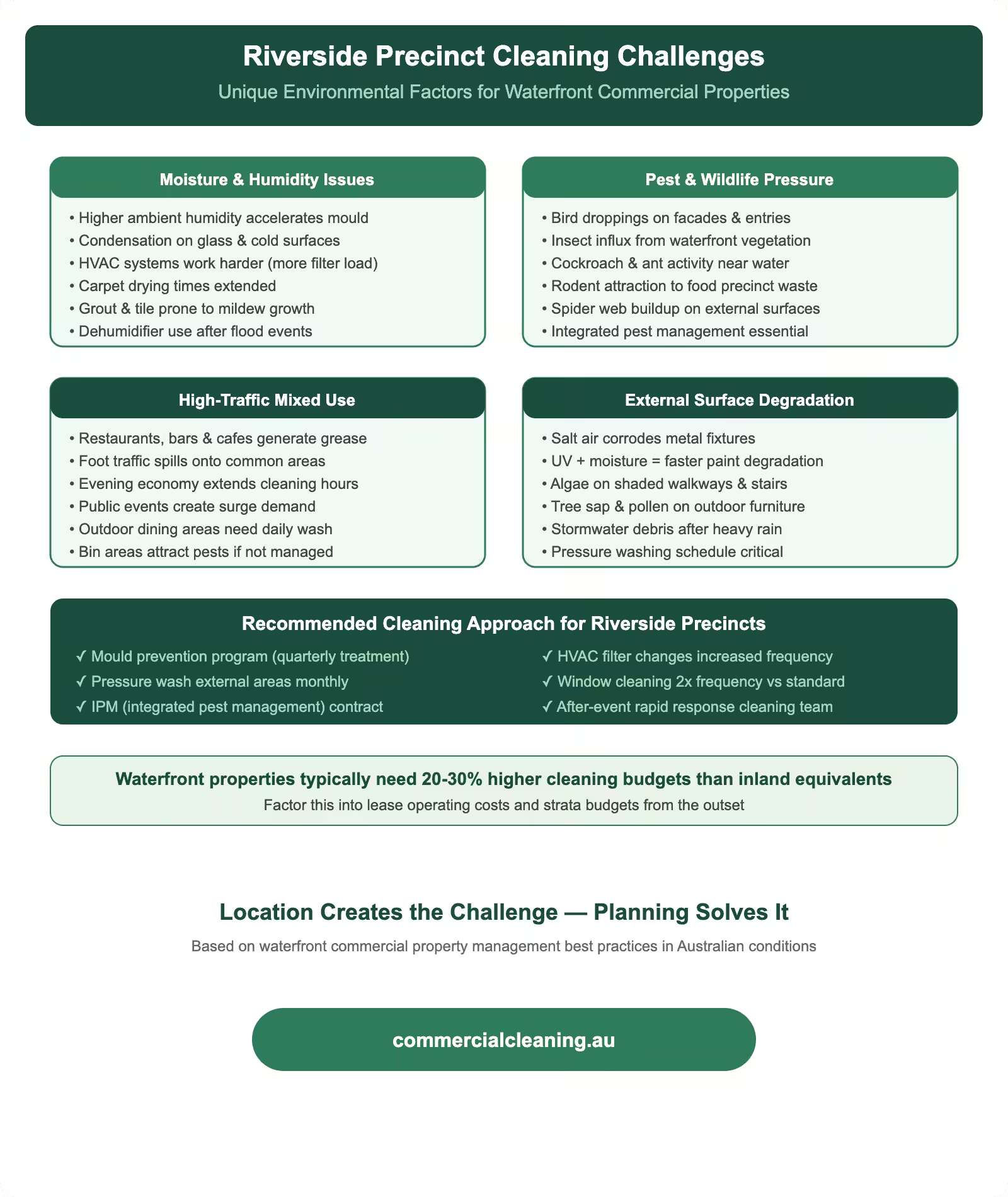
    Our teams specialise in subtropical climate management, having spent decades perfecting mould prevention protocols for Brisbane’s unique conditions. From HVAC coil cleaning aligned with AS/NZS 3666 standards to air quality monitoring and spore count testing, we bring expertise grounded in real Brisbane office environments. Whether your organisation manages a single office in the CBD or multiple towers across the financial precinct, our team understands the challenges that humidity, tropical air, and year-round warm temperatures present. Contact us today to discuss how we can help your Brisbane office tower maintain healthy air quality and building integrity. For further insights into specialised cleaning for unique Brisbane properties, explore our guide on waterfront development cleaning.

  • Cleaning Guide for Hospitality Venues in Fortitude Valley

    Cleaning Guide for Hospitality Venues in Fortitude Valley

    Cleaning Guide for Hospitality Venues in Fortitude Valley

    Fortitude Valley is Brisbane’s premier dining and nightlife destination, with James Street fashion boutiques, Brunswick Street venues, and Chinatown Mall drawing year-round traffic. Our team at Clean Group manages hospitality venues across this precinct and understands the specific cleaning demands this environment creates. From alfresco dining areas battling subtropical mould to nightclubs requiring rapid turnaround, venues here face pressures generic commercial cleaning cannot address. Our Brisbane office cleaners specialise in protocols that keep your venue compliant, inviting, and guest-ready.

    Understanding Fortitude Valley’s Hospitality Cleaning Demands

    Understanding Fortitude Valley’s Hospitality Cleaning Demands covers specific protocols that we tailor to each facility based on its layout, traffic, and compliance requirements. Fortitude Valley’s warm, humid climate accelerates soil accumulation and food pathogen growth. High-traffic venues face constant spills, debris, and atmospheric pollutants. Queensland Health enforces strict food premises requirements, and Brisbane City Council mandates documented cleaning schedules. The Valley Music Harmony Plan supports late-night trading, leaving minimal windows for deep cleaning.

    Our crews categorise Fortitude Valley venues into three types: alfresco dining operators managing outdoor furniture; commercial kitchens with grease systems; and nightlife venues needing specialist protocols. Each requires different knowledge, chemicals, and schedules. Venues combining daily maintenance with scheduled specialist services maintain superior health inspection results and guest satisfaction.

    Alfresco Dining Area Maintenance in Subtropical Conditions

    Mould and Weathering on Outdoor Furniture

    Alfresco Dining Area Maintenance in Subtropical Conditions involves specific protocols that we tailor to each facility based on its layout, traffic, and compliance requirements. Subtropical weathering presents unique challenges for outdoor seating areas along Brunswick Street and Chinatown Mall. Brisbane’s humidity cycles—combined with salt spray and organic debris from trees—create ideal conditions for mould colonisation on upholstery, timber, and metal fittings. Fortitude Valley venues see visible mould growth within 7-14 days of high-humidity weather if surfaces are untreated.

    Our team applies anti-bacterial surface treatments to furniture cushions, slatted backs, and metal frames fortnightly. We use approved sanitising solutions exceeding FSANZ Food Standards Code requirements. UV degradation from intense Brisbane sun causes timber colour loss within 6-12 months and fabric fading. We recommend quarterly furniture rotation and annual professional restoration cleaning to extend asset life.

    Alfresco Area Pressure Washing and Sealing

    Pressure washing removes stubborn algae, moss, and grime from pavers and decking. We operate at 80-120 bar pressure and apply sealing treatments post-wash. Sealed pavers resist moisture penetration by 40-60%, reducing mould recolonisation. Outdoor furniture fabric (cotton, acrylic, polyester blends) requires custom protocols. Our crews assess fabric composition and select appropriate detergent strengths, avoiding bleach on coloured fabrics. We air-dry cushions on covered racks or tumble-dry on low heat, preventing moisture trapping.

    Commercial Kitchen and Grease Management

    Grease Trap Maintenance and Compliance

    Commercial Kitchen and Grease Management requires specific protocols that we tailor to each facility based on its layout, traffic, and compliance requirements. Brisbane City Council and FSANZ Food Standards Code Standard 3.2.2 mandate documented grease trap cleaning for all food venues. Fortitude Valley kitchens accumulate grease at rates of 2-4 kg weekly depending on cooking methods. Uncleaned traps overflow, creating drain backups, pest attraction, and regulatory violations.

    Our crews contract with approved waste operators to pump and clean grease traps every 4-8 weeks, maintaining digital records for council inspections. Regular exhaust duct cleaning prevents fire risk and maintains airflow efficiency.

    Kitchen Exhaust and Ventilation Cleaning

    AS 4674 (construction of commercial kitchen) stipulates that exhaust hoods, filters, and ducting must be cleaned to prevent grease accumulation and fire hazard. High-volume kitchens on James Street restaurants burn through 3-8 kg of cooking grease monthly, with much of it deposited in exhaust systems. Grease accumulation reduces airflow by 50-80% within 3-4 months, increasing cook-line temperatures and degrading food safety conditions.

    We specialise in commercial kitchen exhaust cleaning using approved degreasers and high-temperature pressure equipment. Our teams disassemble hood filters, clean internal surfaces, and flush ducting—removing grit that collects in low-gradient sections. We provide certification of cleaning completion, satisfying both Queensland Health and fire safety audit requirements. Venues with high-heat cooking (wok stations, grills) require monthly exhaust cleaning; standard operations need quarterly attention.

    HACCP Compliance and Food Contact Surface Sanitation

    HACCP compliance underpins food safety. Food contact surfaces must be sanitised at 71°C thermal or 200 ppm chlorine solution to eliminate Salmonella, Listeria, and norovirus. We train staff on sanitation protocols using Ecolab and Diversey products.

    We recommend a tiered schedule: high-touch surfaces sanitised every 2 hours during service; food contact surfaces sanitised before use; non-food surfaces cleaned daily. Documentation in cleaning registers provides evidence of HACCP compliance during health inspections.

    Surface Type Cleaning Frequency Approved Solution Drying Method
    Food Contact Surfaces Every 2 hours service 200 ppm chlorine or 71°C thermal Air-dry or paper towel
    Prep Bench Edges & Handles Every 2 hours service Food-safe sanitiser (200 ppm) Paper towel or cloth
    Stainless Steel Equipment Daily end-of-service 3M Scotch-Brite pad with hot soapy water Microfibre cloth (directional wipe)
    Floors Daily + during service spills Food-safe floor cleaner Dry thoroughly (slip hazard)

    Nightlife Venue Deep Cleaning and Turnaround Protocols

    Beer Line Cleaning and Keg Room Sanitation

    Nightlife Venue Deep Cleaning and Turnaround Protocols includes specific protocols that we tailor to each facility based on its layout, traffic, and compliance requirements. Nightclubs and pubs around Brunswick Street depend on clean beer lines for fast service. Stale beer, bacterial biofilm, and wild yeast accumulate within 5-7 days without chemical cleaning. We employ line-flushing systems using approved brewery detergents (alkaline solutions) to remove protein deposits, followed by acid rinses to dissolve mineral buildups. Keg rooms require monthly deep-cleaning including tap heads, coupler connections, and enzymatic degreaser treatment to prevent odour recurrence and pest attraction.

    Nightclub Deep Clean Protocols and Turnaround Timing

    Nightlife venues operate 22:00-04:00, leaving 4-8 hours for deep cleaning. Our crews execute rapid protocols: remove waste, mop floors, sanitise high-touch surfaces, restock supplies, and manage air quality via ozone generation. Deep cleaning targets hidden areas (behind fridges, underneath seating, toilet cisterns) and visible surfaces (mirrors, glass partitions, stainless steel). Sticky floors require hot-water extraction or poultice treatments to remove sugar residues and restore slip resistance.

    Outdoor Furniture and Fixture Preservation

    Fortitude Valley’s outdoor dining precincts host furniture that endures constant UV exposure and humidity. Metal chairs and tables oxidise rapidly in Brisbane’s salt-laden air, while timber splits as moisture cycles expand and contract grain fibres. Cushions degrade from UV radiation within 12-18 months if unprotected. Our preservation protocol includes quarterly condition assessments, water-repellent sealers for timber, rust-preventative coatings for metal frames, and UV-protective fabric treatments. Venues investing in these protocols extend asset life from 2-3 years to 5-7 years.

    Cleaning Frequency Frameworks for High-Turnover Venues

    Daily Maintenance Schedules for Service Operations

    High-turnover venues across Fortitude Valley require structured daily cleaning to maintain food safety and patron experience. We implement protocols that fit service hours: bar top wipe-down every 30 minutes during trading, floor mopping between sittings to remove spill hazards and debris, and restroom checks every hour to confirm touch-points remain sanitised. These frequent interventions prevent grime accumulation and reduce pathogen transfer between guests. Daily protocols target visible surfaces, high-touch areas, and active service zones where contamination risk peaks.

    Weekly Deep Protocols and Maintenance Windows

    Weekly deep cleaning confirms we’ve captured areas daily protocols cannot address. We schedule deep extraction of carpeted dining areas to remove embedded soil, organic debris, and allergens; grease trap maintenance beyond routine pumping (internal strainer cleaning, blockage inspection); and exhaust hood degreasing to reduce fire risk and restore ventilation efficiency. These protocols require 4-6 hour windows, often scheduled Sunday–Tuesday when venue traffic is lighter. Venues combining daily maintenance with structured weekly work achieve superior health inspection scores and reduce emergency service calls.

    Monthly Specialist Services and Seasonal Adjustments

    Monthly services address deterioration patterns and seasonal pressures unique to subtropical hospitality. We schedule upholstery steam cleaning of bar stools and seating to extend fabric life and remove odour-causing microbial growth; ceiling vent cleaning to prevent dust fallout onto food prep and dining areas; and pest-prevention barrier sprays around entry points, waste storage, and equipment feet. Fortitude Valley’s December–February humidity spike increases mould velocity, prompting increased monitoring frequency during this window. FSANZ Food Standards Code 3.2.2 requires documented evidence of these tiered schedules, which we provide via digital cleaning logs accessible to Queensland Health inspectors.

    Dance Floor and Entertainment Area Cleaning Techniques

    Timber Floor Recoating and Slip-Resistance Maintenance

    Nightclubs and entertainment venues on Brunswick Street feature dance floors engineered for movement, yet exposed to constant patron traffic, spilled beverages, and footwear abrasion. Timber dance floors require specialist recoating every 12-24 months to maintain slip-resistance and prevent splinter formation. We apply water-based polyurethane finishes (low-VOC, food-safe chemistry) rated for high-traffic hospitality environments. Anti-slip treatments—coating additives or mechanical texturing—confirm floors meet AS 4586 slip resistance standards (minimum R10 or R11 for wet conditions). Sticky residue from spilled drinks demands hot-water extraction or enzyme-based poultice treatments that dissolve sugar polymers without damaging finish integrity. Venues maintaining this protocol confirm patron safety compliance under QLD Liquor Act obligations requiring safe premises management.

    Sound and Lighting Equipment Dust Management

    DJ booths and overhead lighting rigs accumulate dust at accelerated rates due to thermal convection and equipment fan draws. We implement monthly equipment maintenance routines: compressed-air cleaning of speaker vents and amplifier chassis to prevent thermal damage and maintain audio quality; light fixture lens cleaning to preserve illumination output; and cable pathway vacuuming to remove dust that accelerates equipment degradation. Sound equipment dust buildup reduces audio fidelity by 20-30% and creates fire risk if thermal venting is blocked. Our crews use anti-static wipes and grounded equipment to prevent electrostatic discharge damage during cleaning. Stage areas require similar protocols, including microphone stand sanitisation and cable tray clearing to maintain safe rigging conditions.

    DJ Booth Sanitisation and Cross-Contamination Prevention

    The DJ booth represents a concentrated touch-point zone: hands contact mixing consoles, headphones, microphones, and equipment knobs repeatedly across 6-8 hour shifts. We sanitise booth surfaces every 2-4 hours during operation using food-safe 200 ppm chlorine or approved quaternary ammonium solutions. Headphone pads and microphone foam require weekly replacement or enzymatic sanitisation to prevent biofilm accumulation and odour development. This sanitisation regime confirms pathogen control—particularly critical for virus transmission risk—whilst preserving equipment electronics from liquid damage. Documented booth sanitisation logs satisfy venue operator hygiene standards and provide evidence of duty-of-care compliance.

    Post-Event Restroom Restoration Protocols

    Touch-Point Sanitisation and High-Traffic Recovery

    Post-Event Restroom Restoration Protocols covers specific protocols that we tailor to each facility based on its layout, traffic, and compliance requirements. Nightlife and hospitality venue restrooms experience extreme patron volume during trading windows, with touch-points receiving hundreds of hand contacts nightly. Our post-event protocols begin with targeted touch-point sanitisation: taps (handles and spouts), door handles (internal and external), flush buttons or sensor equipment, paper towel dispensers, and soap dispensers. We apply 200 ppm chlorine solution or food-safe quaternary ammonium sanitisers to each surface, allowing contact time per manufacturer specifications (typically 30-60 seconds), then wipe and air-dry. This eliminates viral and bacterial pathogens—particularly norovirus and rotavirus common in high-volume hospitality settings—and protects subsequent users. We document sanitisation timing and chemical concentrations to satisfy venue operator compliance records and food safety audits.

    Grout Deep Cleaning and Odour Neutralisation

    Restroom tile grout absorbs urine, organic debris, and bacterial colonies over time, becoming a persistent odour source despite frequent surface mopping. We schedule quarterly grout deep cleaning using steam extraction equipment at 120°C and approved alkaline degreasers, followed by enzymatic treatments that consume odour-causing organic compounds rather than masking them. Odour neutralisation requires chemical understanding: enzymatic products (lipase, protease, amylase enzymes) break down odour precursors at molecular level; chemical odour neutralisers (activated charcoal, zinc ricinoleate) absorb volatile compounds; bleach-based approaches create chemical reactions but may damage grout seals. We recommend enzymatic approaches for venues hosting 200+ patrons nightly, as they deliver lasting results without rebound odour recurrence.

    Consumable Restocking and Backflow Prevention

    Post-event restroom restoration includes consumable audits: toilet roll depletion assessment, soap dispenser refill checks, paper towel stock levels, and sanitary waste bin capacity. Restocking timing confirms facilities remain guest-ready for next trading window. Backflow prevention checks—water supply isolation valve function, trap seal integrity in waste pipes—prevent contaminant entry from the waste system into potable supply lines. We inspect floor-mounted traps and wall-mounted waste pipes quarterly, confirming water seals remain at 50mm depth (preventing sewer gas escape and pest entry). Digital completion logs track all restroom restoration steps, providing venue operators with evidence of thorough post-event protocols and supporting compliance with QLD Public Health Act hygiene standards.

    For more on related cleaning challenges in subtropical environments, explore our guide on mould removal guide.

    Frequently Asked Questions

    How often should we clean beer lines and keg room equipment?

    Beer lines accumulate biofilm and bacterial growth within 5-7 days without chemical treatment. We recommend weekly alkaline flushing followed by acid rinses to maintain beverage quality and prevent off-flavours. Keg rooms should receive deep cleaning monthly, including tap head sanitation and floor degreasing, to prevent pest attraction and maintain hygiene standards required by Queensland Health.

    What is the difference between daily bar cleaning and deep cleaning?

    Daily bar cleaning removes visible spills, empties rubbish, sanitises high-touch surfaces (tap handles, door knobs, card terminals), and mops floors with neutral detergent. Deep cleaning occurs weekly or monthly and addresses hidden areas: behind fridges, inside equipment cavities, underneath bar counters, inside floor drains, and sticky residue layers on concrete or vinyl. Deep cleaning also includes grease trap pumping, exhaust duct cleaning, and keg room degreasing.

    How do we prevent mould on outdoor furniture in Brisbane’s humid climate?

    Subtropical humidity promotes rapid mould growth on outdoor seating. We recommend fortnightly anti-bacterial surface treatments, weekly inspection for visible mould (and immediate spot-cleaning with vinegar or approved sanitiser), and storing high-value cushions indoors during high-humidity months (December–February). Pressure-washing outdoor dining areas monthly removes algae and moss that precede mould colonisation. Confirm water drains freely from seating crevices; standing moisture accelerates mould germination.

    Are we compliant with food safety standards if we don’t have documented cleaning records?

    No. FSANZ Food Standards Code Standard 3.2.2 and Brisbane City Council inspections require documented evidence of cleaning schedules, sanitiser concentrations, and completion times. Venues without records face non-compliance notices and potential closure orders. We provide digital cleaning logs (date-stamped photos, chemical concentrations, crew sign-offs) that satisfy Queensland Health and council audits. Many venues now use tablet-based apps to log cleaning completion in real-time.

    What chemicals should we use for kitchen exhaust cleaning?

    AS 4674 requires degreasers that break down cooked fat safely. Alkaline degreasers work on fresh grease; enzymatic or solvent-based products handle aged grease. We avoid caustic sodium hydroxide and use food-grade alkaline or citric-acid cleaners. Safety training and proper PPE (gloves, eye protection, respiratory protection) are mandatory.

    About Clean Group

    Clean Group is a leading commercial cleaning company with over 25 years of experience providing professional cleaning services to offices, strata buildings, medical facilities, schools, gyms, and retail spaces across Australia. Our hospitality division specialises in high-traffic venues and food-service environments across Brisbane, Gold Coast, and Sunshine Coast. We maintain partnerships with Queensland Health, Brisbane City Council, and industry suppliers including Ecolab and Diversey. Our crews are trained in HACCP compliance, chemical safety, and subtropical climate considerations. Whether your Fortitude Valley venue requires daily maintenance, emergency deep-cleaning, or specialist services, we deliver scheduled or on-demand support. To learn more about mould prevention and specialist treatments for subtropical environments, explore our guide on subtropical mould management.

    Boutique Venue Cleaning: Galleries, Bars and Restaurants

    Boutique Venue Cleaning includes specific protocols that we tailor to each facility based on its layout, traffic, and compliance requirements. Boutique venues are small by definition but operate with high expectations. A gallery with 200 square metres of white wall space, carefully lit timber floors, and monthly exhibitions is far more demanding to clean than a 2,000-square-metre warehouse office.

    The difference comes down to density and precision. In a commercial office, you clean high-touch points, floors, desks, and bathrooms. In a gallery, you protect artwork, manage dust particles settling on sculptures or paintings, control humidity around temperature-sensitive pieces, and protect architectural finishes.

    For bars and small restaurants, a 50-seat venue can’t have greasy fingerprints on wine glasses or overlooked spills. The kitchen demands FSANZ-compliant cleaning daily. The grease trap—undersized for small kitchens—needs professional attention. All this must happen before service begins or after it ends.

    Successful cleaning requires: scheduled visits outside trading hours (galleries close at 5–6pm; bars at 2–3am); equipment that doesn’t mark surfaces (soft-bristle brushes, microfibre cloths, pH-neutral products); attention to detail (gallery spaces require three touches—dust removal, surface cleaning, final inspection); and ongoing communication with venue managers.

    Heritage Brick and Timber Care During Ongoing Renovation

    Heritage Brick and Timber Care During Ongoing Renovation addresses specific protocols that we tailor to each facility based on its layout, traffic, and compliance requirements. Fish Lane and West End are constantly under renovation. Buildings convert from offices to residences, warehouses become galleries, shopfronts are rebuilt. This creates a specific problem: how do you maintain heritage brick and timber surfaces while construction dust is actively being created?

    Heritage brick facades can look dull and stained if coated with construction dust and mortar splatter. Reclaimed timber shopfronts attract fine particles that settle into wood grain. Exposed-beam ceilings collect dust difficult to remove without damaging finishes. Dust containment becomes critical if you’re cleaning a gallery or ground-floor bar while renovation happens above or next door.

    We manage this through protective sheeting and sealing (plastic sheeting over windows and doorways, protective film on exposed brick, sealed HVAC conduits); dust containment barriers (clear polycarbonate panels or heavy plastic sheeting on aluminium frames to isolate active work areas); specialised cleaning products (alkaline cleaners for brick, never acidic ones; pH-neutral products for timber; low-pressure rinse or hand-cleaning instead of high-pressure spray); and regular intermediate cleaning during renovation periods to prevent dust accumulation.

  • Cleaning Guide for Heritage Wharf Buildings at Howard Smith Wharves

    Cleaning Guide for Heritage Wharf Buildings at Howard Smith Wharves

    Cleaning Guide for Heritage Wharf Buildings at Howard Smith Wharves

    Howard Smith Wharves stands as one of Brisbane’s most distinctive heritage precincts, with its iconic WWII-era warehouses now home to boutique hotels, craft breweries, and acclaimed restaurants. These buildings, established in 1934, frame the northern edge of the Brisbane River just south of the Story Bridge, their weathered sandstone and heritage timber facades a testament to the city’s industrial past. Cleaning and maintaining these structures demands far more than routine commercial care—it requires knowledge of conservation principles, Queensland heritage legislation, and the specific challenges that riverside proximity and subtropical climate impose. Our team at commercial cleaning Brisbane specialises in heritage-grade cleaning methods that preserve these irreplaceable assets while meeting modern hygiene and hospitality standards.

    Understanding Howard Smith Wharves Heritage Significance

    The Howard Smith Wharves precinct is listed under the Queensland Heritage Act 1992. Several structures served as WWII air-raid shelters, influencing structural assessments and maintenance protocols. The Heritage Council of Queensland and Department of Environment and Science oversee conservation guidelines, requiring cleaning contractors to align methods with approved conservation management plans rather than standard commercial protocols.

    Built in the early 20th century as Brisbane’s busiest working wharf, the precinct now hosts the Howard Smith Wharves Hotel, Felons Brewing Co, and an Arts Precinct. Cleaning programmes must balance heritage preservation against operational demands of busy hospitality venues where guests expect pristine conditions.

    Salt Spray and River-Proximity Corrosion Management

    Salt Spray and River-Proximity Corrosion Management involves specific protocols that we tailor to each facility based on its layout, traffic, and compliance requirements. The Brisbane River’s brackish waters and the subtropical humidity of South East Queensland create a corrosive environment that poses unique threats to heritage materials. Salt spray—a fine mist of salt-laden air that travels inland from the river—accelerates oxidation of ferrous metals, degrades lime mortar, and weakens the protective patina on heritage timber. This is one of the most overlooked aspects of heritage wharf maintenance in Australian commercial practice.

    Identifying Salt Spray Damage

    Salt accumulates in the porous sandstone that dominates the Howard Smith Wharves facades. Unlike dirt or biological growth, salt crystallisation occurs beneath the surface, expanding as humidity fluctuates and causing spalling (surface flaking) of the stone. Wrought iron elements—handrails, window grilles, and decorative brackets—show rust staining and white salt efflorescence, while heritage timber develops surface checking and accelerated timber decay in high-humidity zones. Our crews monitor these indicators monthly during the subtropical summer and wet season when river humidity peaks.

    Desalination and Protective Washing

    Removing accumulated salts requires low-pressure washing (below 500 psi) with pH-neutral cleaners that avoid leaching lime mortar. We apply breathable sealants after desalination—products that allow moisture vapour to escape while blocking new salt ingress. Quarterly saltwater spray cleaning at Howard Smith Wharves removes salt before crystallisation, reducing abrasive cleaning force and extending sealant life by 30–40% compared to annual protocols.

    Heritage Timber and Stone Preservation Techniques

    Heritage Timber and Stone Preservation Techniques requires specific protocols that we tailor to each facility based on its layout, traffic, and compliance requirements. The original hardwood structure—Australian cedar and spotted gum in the upper levels—remains largely intact beneath modern fit-outs. Heritage timber requires a fundamentally different approach than modern timber surfaces, particularly in subtropical climates where UV degradation and moisture cycling accelerate wooden surface checking and timber decay.

    Hardwood Surface Cleaning Without Compromise

    High-pressure washing removes the protective weathered layer that heritage timber develops over decades. We use soft-washing—low-pressure application of pH-neutral, biocide-free solutions—to remove algae, mildew, and oxidation without exposing fresh timber to UV. We apply linseed oil treatments rather than modern polyurethane finishes, maintaining breathability that conservation plans require.

    Sandstone facades require equally careful handling. Sandstone is porous and susceptible to spalling when cleaned with hot water or aggressive chemicals. We use ambient-temperature, low-pressure rinsing with distilled water, allowing 24–48 hours for natural drying between washes. This staged approach prevents osmotic stress—water forced into stone then trapped—leading to hidden subsurface damage.

    Bluestone Pavers and Mortar Preservation

    Many heritage wharf buildings feature bluestone or slate pavements set in traditional lime mortar. Lime mortar differs fundamentally from modern Portland cement: it’s softer, more vapour-permeable, and reversible—meaning deteriorated mortar can be carefully repointed without permanently damaging adjacent stone. Cleaning bluestone requires avoiding acidic chemicals that etch the surface and pH-neutral solutions only. We never pressure wash lime mortar joints; instead, we hand-clean with soft brushes and distilled water, protecting the mortar from further erosion.

    Material Cleaning Method Pressure (psi) Frequency
    Heritage Sandstone Low-pressure soft-wash Below 500 Quarterly
    Hardwood Timber Soft-wash with linseed treatment Below 300 Biannually
    Wrought Iron pH-neutral wash + corrosion inhibitor N/A (manual) Quarterly
    Bluestone Pavers Hand-brush with distilled water None Biannually

    Wrought Iron Maintenance and Lead Paint Management

    Howard Smith Wharves features significant wrought iron elements—window grilles, handrails, and decorative fascias—that are both heritage features and occupational health hazards if lead paint is present. The Heritage Council of Queensland requires baseline lead paint testing before any cleaning or maintenance of pre-1970s ironwork, as sanding, grinding, or aggressive cleaning can release lead dust into the air and onto food preparation areas used by Felons Brewing Co and the hotel restaurants.

    Lead Paint Assessment and Safe Removal

    We follow AS/NZS 4361 (Guide to Lead Paint Management) and engage certified lead assessors to test iron surfaces before any work begins. If lead is detected, we apply encapsulation methods—non-toxic, heritage-safe sealants that prevent lead mobilisation—rather than aggressive removal. For cleaning existing wrought iron, we use soft-bristled brushes and pH-neutral, salt-inhibiting solutions that address corrosion without raising lead dust. Quarterly maintenance prevents the salt-induced rusting that would otherwise necessitate more aggressive intervention.

    Heritage Paint Colour Preservation

    Many heritage buildings feature paint colours specified in conservation management plans—colours chosen to reflect the building’s original aesthetic. Our team works with colour references supplied by conservation architects, ensuring that cleaning solutions and sealants do not alter these hues. This level of detail is standard in international heritage practice but often overlooked in Australian commercial cleaning, where heritage properties are still sometimes treated with generic approaches.

    Heritage Compliance and Conservation Documentation

    Heritage Compliance and Conservation Documentation addresses specific protocols that we tailor to each facility based on its layout, traffic, and compliance requirements. Any work at Howard Smith Wharves must be documented under Queensland Heritage Act 1992 requirements. The Department of Environment and Science expects maintenance logs, photographic records, and contractor reports detailing methods, materials, and building condition before and after work. Our team prepares detailed conservation cleaning reports for each major project, including before-and-after photography and chemical inventories. These records support the heritage listing and become part of the building’s conservation file, creating an audit trail that demonstrates stewardship.

    Managing Subtropical Weathering and UV Degradation

    Brisbane’s subtropical climate accelerates UV degradation of sealants 20–30% faster than temperate regions, making quarterly monitoring critical. We test adhesion and water repellency before failure cascades into salt ingress or timber decay. West-facing facades at Howard Smith Wharves face particularly severe UV exposure, requiring breathable sealants that provide both moisture vapour permeability and UV protection—a balance many generic heritage products don’t achieve. Our team has identified products approved for Queensland riverside heritage structures.

    Modern Heritage Cleaning Technologies

    International heritage conservation bodies have developed specialised cleaning systems that avoid aggressive pressure washing risks. These methods align with Queensland Heritage Council standards and the conservation management plans governing Howard Smith Wharves. Our team integrates these proven technologies into riverside and urban heritage maintenance.

    DOFF Steam and Low-Pressure Systems

    The DOFF system, adopted by English Heritage and Historic Environment Scotland, uses superheated steam at low pressure (10–15 bar). It cleans sandstone and brick without spalling or moisture damage—critical for Howard Smith Wharves where Brisbane River salt compounds risks. We apply DOFF annually for facade deep-cleaning, removing biological growth while respecting heritage surfaces. This method eliminates chemical residues that interact with salt crystallisation, reducing decay. Similar systems (Jos and Torc) suit delicate and decorative sandstone at the Arts Precinct.

    Laser Cleaning for Heritage Metalwork

    Laser cleaning removes paint, varnish, and corrosion from heritage metalwork—wrought iron, copper, and lead flashings—without dust or chemical solvents. For Howard Smith Wharves, where lead paint requires encapsulation or safe removal, laser cleaning avoids raising lead dust and preserves metal surfaces. This technology aligns with English Heritage specifications and Queensland Heritage Act compliance, making it ideal for pre-treatment assessment. Laser systems reach detailed decorative elements (window grilles, brackets) without masking surrounding surfaces.

    Softwashing and Chemical Systems for Heritage Surfaces

    Softwashing and Chemical Systems for Heritage Surfaces covers specific protocols that we tailor to each facility based on its layout, traffic, and compliance requirements. Softwashing shifts from pressure-based toward chemistry-based, surface-safe methods. It applies pH-balanced solutions that dissolve biological growth—algae, lichen, and moss—in place. For riverside heritage properties, this reduces osmotic stress and aligns with patina-preservation principles guiding international conservation.

    Biocide Treatments and Surfactant Selection

    Biological growth—algae, lichen, and mildew—thrives across Howard Smith Wharves facades. Heritage-safe antimicrobials suppress regrowth for 12–18 months, avoiding bleach or ammonia that damage mortar and paint. Surfactant selection varies: sandstone requires non-ionic surfactants. Our team tests products on inconspicuous areas before full application, following Queensland Heritage Council guidance.

    Knowing When Not to Clean—Patina Preservation

    Heritage conservation requires patina respect. The weathered sandstone of Howard Smith Wharves, darkened by river exposure, reflects the building’s history. We distinguish between surface soiling (removable growth, salt) and patina (permanent discolouration). We clean selectively—removing salt before crystallisation damages stone, treating mildew—while leaving patina intact. This approach, guided by the conservation management plan, prevents “sandblasted” facades. Respecting patina reduces long-term maintenance costs.

    Frequently Asked Questions

    Can we use pressure washing on heritage sandstone at Howard Smith Wharves?

    No—pressure washing sandstone above 500 psi causes surface spalling and sub-surface moisture damage that may not appear for months. We use soft-washing with low-pressure application of pH-neutral cleaners and allow extended drying periods. This method is slower but aligns with Queensland Heritage Act requirements and extends the life of the stone by decades.

    What is salt spray damage and why is it worse at the Brisbane River?

    Salt spray is a fine mist of saltwater that travels inland from the river, depositing salt crystals into porous stone and metal. At Howard Smith Wharves, brackish river water combined with subtropical humidity accelerates this process. Salt crystallises beneath stone surfaces, causing internal spalling, and oxidises wrought iron handrails and fixtures. Our quarterly desalination protocol removes accumulated salt before crystallisation damage occurs, a technique borrowed from international coastal heritage conservation practice.

    How do we avoid releasing lead dust when cleaning heritage iron fixtures?

    Lead paint must be tested before any cleaning work, following AS/NZS 4361. If lead is present, we apply encapsulation sealants rather than aggressive removal, and use soft-bristled brushes with pH-neutral solutions that don’t raise dust. This approach protects staff and visitors at the hotel and brewery while preserving the iron fixtures themselves.

    What maintenance cycle should we follow for heritage timber at Howard Smith Wharves?

    Heritage timber benefits from biannual soft-washing with linseed oil treatments rather than modern polyurethane sealants. Quarterly salt-spray monitoring helps identify early surface damage. This frequency aligns with international conservation standards and the subtropical climate’s accelerated weathering, extending timber life and avoiding the need for invasive repairs.

    Do we need Heritage Council approval before cleaning Howard Smith Wharves?

    Major cleaning or maintenance work—particularly anything involving chemical application, sealant reapplication, or structural assessment—should be coordinated with the Heritage Council of Queensland and aligned with the site’s conservation management plan. Our team liaises with heritage specialists before commencing work, ensuring compliance with Queensland Heritage Act 1992 requirements and Department of Environment and Science guidelines.

    For hospitality venues in heritage settings like the Howard Smith Wharves Hotel and Felons Brewing Co, preserving character and integrity while maintaining hygiene standards matters to guest experience and operational compliance. Our team brings the knowledge and discipline these irreplaceable structures demand. To learn more about our approaches to specialised venue maintenance, explore our guide to hospitality venue cleaning in similar heritage precincts across Brisbane.

    About Clean Group

    Clean Group is a leading commercial cleaning company with over 25 years of experience, providing professional cleaning services to offices, strata buildings, medical facilities, schools, gyms, and retail spaces across Australia. With a commitment to WHS compliance, eco-friendly practices, and consistent quality, Clean Group delivers customised cleaning solutions backed by a 100% satisfaction guarantee.