We have cleaned strata buildings across Sydney for over fifteen years, and the single biggest lesson we have learned is that efficiency matters as much as thoroughness. Our team services everything from six-lot walk-ups in Bankstown to 200-unit towers in Chatswood, and each one demands a cleaning system built around the building’s specific layout, traffic patterns, and resident expectations. When we first take on a building, our cleaning services team conducts a full walkthrough audit — mapping every common area, noting surface types, identifying high-wear zones, and building a schedule that keeps the building spotless without wasting a single hour of labour.
How We Build Efficient Cleaning Schedules
How We Build Efficient Cleaning Schedules covers specific protocols that we tailor to each facility based on its layout, traffic, and compliance requirements. We learned early on that a one-size-fits-all schedule wastes both time and money for the owners corporation. Our approach starts with traffic data — we track foot traffic through lobbies, corridors, and amenity spaces over a two-week baseline period. A lobby in a Parramatta tower with ground-floor retail gets three times the foot traffic of one in a quiet Eastwood residential block, so the cleaning frequency needs to reflect that. We typically split common areas into daily, twice-weekly, and weekly zones based on usage intensity.
Our scheduling system runs digitally through a proprietary app that assigns tasks, tracks completion with GPS timestamps, and alerts supervisors to any missed items within 30 minutes. We have reduced missed-task rates by roughly 65 percent since implementing this system in 2022. For a typical 80-lot building, our schedules usually run between 15 and 22 labour hours per week — and we show the strata manager exactly how those hours are allocated across each area.
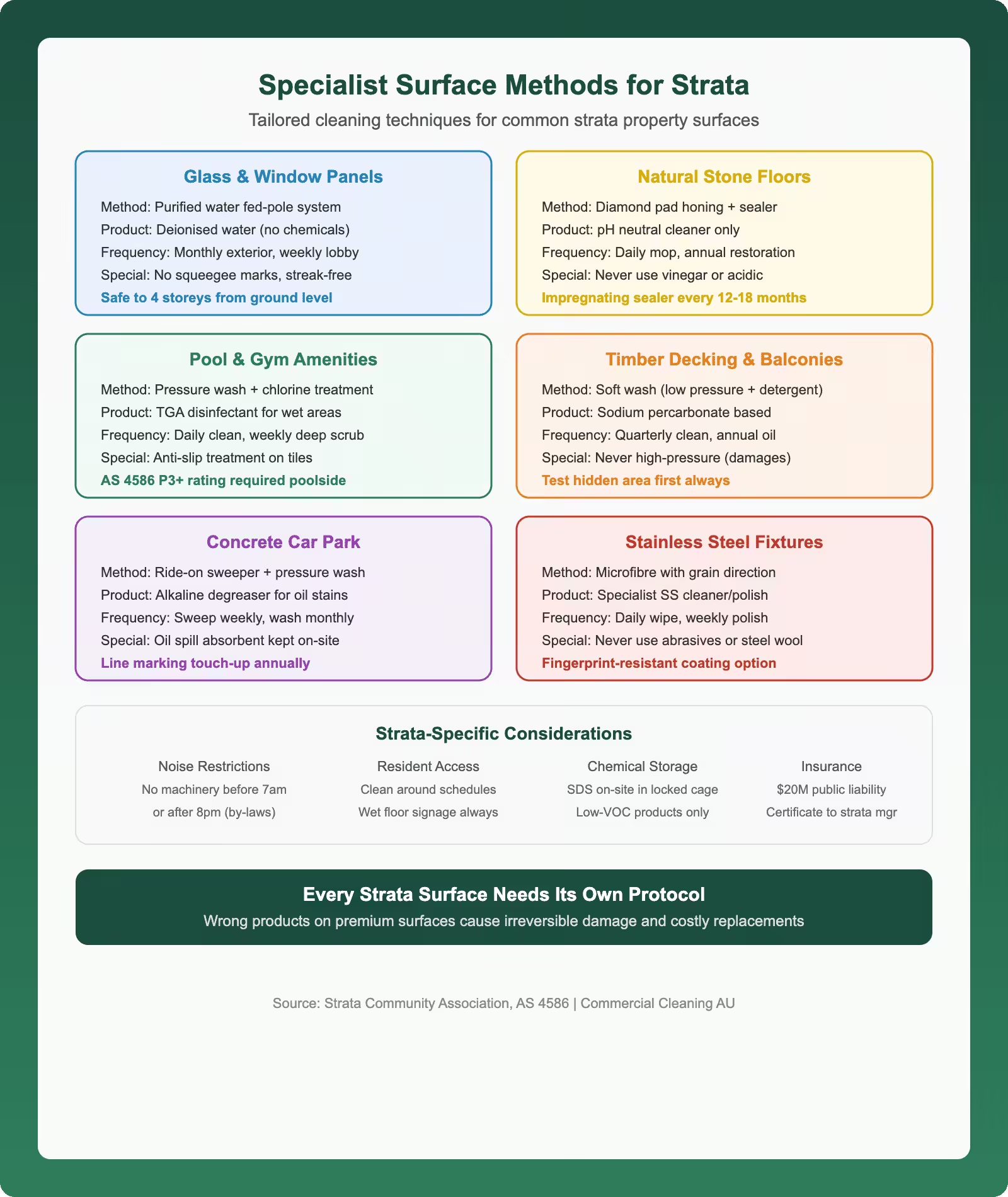
Specialist surface cleaning methods for strata properties infographic showing techniques for glass natural stone pool areas timber decking concrete and stainless steel
Specialist Surface Methods We Use on Strata Properties
Every strata building is a patchwork of different surfaces, and using the wrong method on the wrong material is how damage happens. We follow AS 3733 for textile floor maintenance and manufacturer specifications for hard flooring. Our crew in Surry Hills recently saved an owners corporation $9,500 by correctly identifying their lobby tiles as honed limestone rather than polished marble — the previous cleaner had been using an acidic product that was slowly etching the surface. We switched to a pH-neutral stone cleaner and restored the finish over three treatments.
For common area carpets, we use a combination of daily vacuum extraction with HEPA filtration and quarterly hot-water extraction as specified under AS 3733. Our equipment runs at 150-degree water temperature, which kills dust mites and bacteria without the chemical load. We have found this approach extends carpet life by 18 to 24 months compared to surface-only cleaning — a saving of roughly $8,000 to $12,000 on a typical corridor replacement in a mid-size building.
Strata Common Area Maintenance Schedule
Area
Daily
Weekly
Monthly
Annual
Lobby & Foyer
Sweep, mop, glass
Deep mop, dust lights
Floor machine scrub
Strip & reseal
Lifts & Doors
Wipe panels + buttons
Full interior detail
Track & rail degrease
Deep restoration
Car Park
Litter patrol
Sweep + line check
Pressure wash bays
Full pressure + repaint
Pool/Gym
Sanitise surfaces
Deep clean equipment
Grout scrub
Full tile restoration
Bin Room
Hose down, deodorise
Deep scrub walls
Pest treatment
Full sanitise + repaint
Equipment Selection That Makes the Difference
Strata Common Area Maintenance Schedule requires specific protocols that we tailor to each facility based on its layout, traffic, and compliance requirements. We invest heavily in commercial-grade equipment because it directly impacts both cleaning quality and labour efficiency. Our fleet includes Tennant T300 walk-behind scrubbers for large lobby and car park areas, Karcher BV 5/1 backpack vacuums for stairwells and corridors, and Nilfisk SC250 compact scrubbers for tight amenity spaces. We have calculated that upgrading from domestic-grade equipment to commercial units reduced our average cleaning time per building by 28 percent while delivering measurably better results on hard floor surfaces.
Equipment Selection That Makes the Difference includes specific protocols that we tailor to each facility based on its layout, traffic, and compliance requirements. Maintenance matters as much as selection. We service every machine on a 90-day cycle aligned with manufacturer recommendations and replace consumables — brushes, squeegee blades, filters — at specified intervals rather than waiting for visible wear. A clogged HEPA filter on a backpack vacuum can reduce suction by up to 40 percent, and most operators never check until residents complain about dust. Our Penrith warehouse runs a dedicated equipment maintenance bay where every unit is inspected, tested, and logged before being returned to active service.
Quality Assurance Systems That Protect Body Corporates
Quality Assurance Systems That Protect Body Corporates addresses specific protocols that we tailor to each facility based on its layout, traffic, and compliance requirements. We run a three-tier quality assurance system: self-inspection by the cleaner after each visit, fortnightly supervisor audits using a 47-point checklist, and quarterly management reviews with the strata manager. Every inspection generates a digital report with timestamped photos that we share through a client portal. Our data from 2024 shows that buildings on this system recorded 73 percent fewer resident complaints compared to the industry average reported by the Strata Community Association NSW.
We also benchmark against the ISSA Cleaning Industry Management Standard, which prescribes measurable cleanliness criteria rather than subjective assessments. When a Homebush strata committee challenged our billing, we presented twelve months of inspection data showing consistent 94 percent compliance against 47 measured criteria. That evidence settled the discussion immediately and secured our contract renewal for another two years.
Green Practices That Reduce Costs and Environmental Impact
Green Practices That Reduce Costs and Environmental Impact targets specific protocols that we tailor to each facility based on its layout, traffic, and compliance requirements. We transitioned our entire chemical range to Green Building Council of Australia-certified products three years ago, and the results surprised even our own team. Our water consumption across strata sites dropped by roughly 30 percent after switching to microfibre-based cleaning systems, and our chemical spend fell by 22 percent because concentrated eco-products require lower dilution ratios. These are not marginal gains — for a 100-lot building in the CBD, that translates to approximately $1,800 per year in combined savings.
Our waste management protocols follow AS/NZS ISO 14001 environmental management principles. We separate cleaning waste into recyclable, general, and hazardous streams on every site and provide quarterly waste reports to strata managers. One Cabramatta building we service reduced its general waste output by 35 percent within six months after we implemented proper bin room cleaning and waste stream signage as part of our standard service.
For a deeper look at maintaining high standards, explore our tips to elevate property appeal.
Frequently Asked Questions
What cleaning schedule is most efficient for strata buildings?
Efficient schedules typically include daily cleaning for high-traffic lobbies and lifts, twice-weekly cleaning for corridors and stairwells, and weekly to fortnightly deep cleaning for car parks, bin rooms, and external areas. Frequency should adjust based on building size, resident density, and traffic patterns.
How does modern equipment improve cleaning efficiency?
Ride-on sweepers and auto-scrubber-dryers deliver superior results with reduced labour time. Equipment performs multiple functions simultaneously—applying solution, scrubbing, and water recovery—delivering faster completion with higher quality outcomes than traditional manual methods.
What quality metrics should strata cleaning contracts include?
Contracts should specify key performance indicators including cleanliness ratings, resident satisfaction scores, response time standards for emergency situations, and completion timeframes for routine and deep cleaning tasks. Measurable standards enable objective quality assessment and accountability.
How can body corporates verify cleaning quality between audits?
Request monthly photographic documentation of work completed, implement resident feedback mechanisms, conduct spot-check inspections of critical areas, and maintain communication channels with the cleaning contractor for real-time issue reporting and resolution.
What environmental benefits do green cleaning practices provide?
Green cleaning products are biodegradable, water-efficient equipment conserves resources, and proper waste management prevents environmental contamination. These practices reduce the building’s environmental footprint whilst maintaining cleanliness standards.
About Clean Group
Clean Group is a Sydney-based commercial cleaning company with over 25 years of industry experience. Founded by Suji Siv, our team of 50+ trained professionals services offices, warehouses, medical centres, schools, childcare facilities, retail stores, gyms, and strata properties across Sydney, Melbourne, and Brisbane.
We are active members of ISSA and the Building Service Contractors Association of Australia (BSCAA). Our operations align with ISO 9001 (Quality Management), ISO 14001 (Environmental Management), and ISO 45001 (Workplace Health and Safety) standards. We hold membership with the Green Building Council of Australia and use eco-friendly, TGA-registered cleaning products wherever possible.
Every Clean Group cleaner is police-checked, fully insured, and trained in safe work procedures under SafeWork NSW guidelines. We operate 7 days a week, including after-hours and weekend services, to minimise disruption to your business.
Hi, I'm Suji Siv, the founder, CEO, and Managing Director of Clean Group, bringing over 25 years of leadership and management experience to the company. As the driving force behind Clean Group’s growth, I oversee strategic planning, resource allocation, and operational excellence across all departments. I am deeply involved in team development and performance optimization through regular reviews and hands-on leadership.