Deep Cleaning Disinfection Protocols for Sydney Workplaces
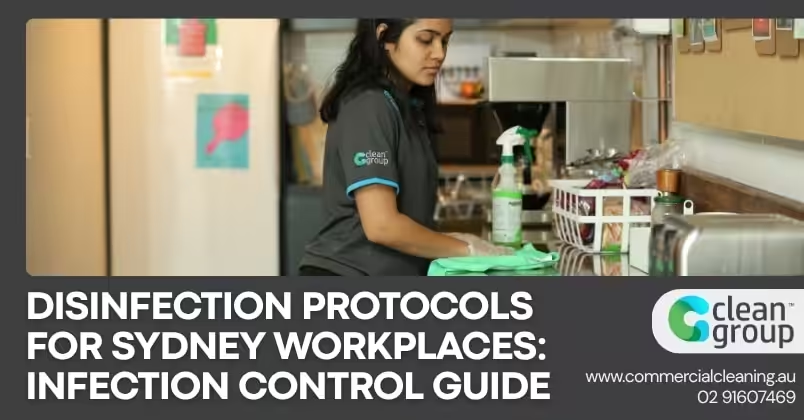
Professional deep cleaning professionals need to understand this. A single outbreak, accident, or contamination event can jeopardise your entire workforce and your organisation’s reputation. We understand that thorough workplace disinfection is non-negotiable, which is why our office cleaners sydney apply evidence-based protocols backed by TGA-registered products and professional expertise. In our experience serving Sydney businesses for over two decades, the difference between ad-hoc sanitising and systematic disinfection protocols is the difference between reactive damage control and proactive risk mitigation.
For more insights, see our guide on smoke damage restoration cleaning.
What Are Workplace Disinfection Protocols?
Disinfection protocols are structured, documented procedures designed to eliminate pathogens from workplace surfaces, equipment, and shared areas. Unlike casual cleaning—which removes visible dirt—disinfection targets microorganisms (bacteria, viruses, fungi) that remain invisible but pose genuine health hazards. Protocols outline which surfaces require treatment, what products and contact times are required, and how effectiveness is verified.
For Sydney workplaces, protocols must align with the Work Health and Safety Act 2011 and SafeWork NSW guidance on infectious disease prevention. We’ve developed our protocols to exceed these baseline requirements, incorporating best practices from the Australian Government’s Department of Health and Therapeutic Goods Administration (TGA) recommendations.
The distinction matters. A cleaner using general-purpose spray and a cloth may reduce visible contamination. A trained technician following a verified protocol eliminates >99.99% of target pathogens through proper product selection, contact time management, and surface type matching.
TGA-Registered Disinfectants: What You Need to Know
TGA-Registered Disinfectants involves specific protocols that we tailor to each facility based on its layout, traffic, and compliance requirements. The Therapeutic Goods Administration regulates disinfectants in Australia. For a product to claim efficacy against specific pathogens, it must be TGA-registered and tested to stringent microbiological standards. Many off-the-shelf cleaners claim disinfection properties but lack proper registration and evidence.
We exclusively use TGA-registered disinfectants appropriate to your industry and facility type. For example:
- Hospital-grade quaternary ammonium compounds: Effective against enveloped and non-enveloped viruses, suitable for medical centres and high-traffic areas
- Accelerated hydrogen peroxide solutions: Broad-spectrum antimicrobial activity with minimal toxicity, ideal for food service facilities and sensitive areas
- Chlorine-based disinfectants: Proven against a wide pathogen range, cost-effective for general office use (when diluted correctly to avoid damage)
- Alcohol-based sanitisers: Rapid action for hand-contact surfaces and equipment, complementing but not replacing surface disinfection
Each product has specific contact times (usually 10 minutes for virucidal activity) and surface compatibility requirements. We assess your facility’s needs before recommending specific products, ensuring efficacy without damaging equipment or posing safety risks to employees.
High-Touch Surface Identification and Management
High-touch surfaces pose the greatest transmission risk because they’re contacted by many individuals throughout the day. In our experience across Sydney offices, schools, and medical centres, the highest-contamination surfaces include:
- Door handles and push plates (tested as primary virus transmission points)
- Lift buttons and controls
- Handrails and bannisters
- Shared keyboards, mice, and phones
- Bathroom fixtures (taps, door handles, toilet seats)
- Break room appliances (microwaves, fridges, coffee machines)
- Desk surfaces and shared tools
- Conference table surfaces and armrests
Our protocols prioritise these surfaces with increased frequency disinfection. For facilities in suburbs like Parramatta, Chatswood, and the CBD experiencing higher foot traffic, we recommend twice-daily disinfection of high-touch areas rather than once-daily treatment.
Outbreak Response and Rapid Disinfection Procedures
When illness outbreaks occur—whether foodborne illness, influenza, gastroenteritis, or other communicable diseases—a rapid, systematic response prevents spread. We provide emergency disinfection services with 2-4 hour response times across Greater Sydney.
Our outbreak response protocol includes:
- Rapid risk assessment: Identifying likely contamination zones based on affected employee locations
- Prioritised high-touch surface treatment: Using rapid-acting TGA-registered products on highest-risk areas first
- Area-by-area systematic coverage: Preventing missed patches through checklist-driven procedures
- Ventilation optimisation: Co-ordinating with facilities teams to maximise air changes
- Decontamination documentation: Providing timestamped records of all areas treated, products used, and contact times
- Post-disinfection clearance: Recommending SafeWork NSW-approved timelines before full facility reoccupancy
We’ve managed outbreaks ranging from single-location contamination in Ryde offices to multi-site incidents across CBD facilities. Our structured approach contains transmission and provides evidence of due diligence under WHS Act 2011 requirements.
Documentation, Compliance, and Audit Trails
Documentation, Compliance, and Audit Trails addresses specific protocols that we tailor to each facility based on its layout, traffic, and compliance requirements. Regulatory bodies like SafeWork NSW and health authorities expect documented evidence of disinfection procedures. We provide complete documentation including:
| Document Type | Purpose | Retention Period |
|---|---|---|
| Daily disinfection checklists | Proof that high-touch surfaces were treated on schedule | 12 months minimum |
| Product safety data sheets (SDS) | Demonstrates use of TGA-registered products and compliance with chemical safety requirements | For duration of product use + 3 years |
| Staff training records | Shows employees trained in proper disinfection techniques and safety protocols | 3 years (WHS Act requirement) |
| Outbreak response reports | Timestamped evidence of rapid response during illness clusters | 7 years (medical records standard) |
| Product contact time verification | Confirms disinfectant was left on surfaces for required duration to achieve kill rates | 12 months |
We maintain your documentation in a centralised system accessible to your management and WHS teams. This audit trail demonstrates due diligence and protects your organisation in regulatory inspections or liability claims.
Disinfection Frequency: How Often Is Enough?
Disinfection Frequency targets specific protocols that we tailor to each facility based on its layout, traffic, and compliance requirements. Frequency depends on industry, occupancy levels, and contamination risk. Our recommendations:
- Standard offices: Daily disinfection of high-touch surfaces, weekly deep disinfection of all surfaces
- Medical centres and aged care: Twice-daily high-touch surface disinfection, daily multi-surface treatment
- Schools and childcare: Daily disinfection post-occupancy, twice-daily during illness seasons
- Food service and hospitality: Multiple disinfection cycles matching service hours, especially post-service
- Post-outbreak facilities: Enhanced protocols (3x daily high-touch surfaces) for 2 weeks post-incident
We tailor frequency based on your facility’s specific risk profile. During consultation, we assess occupancy patterns, visitor numbers, and historical contamination incidents to recommend best protocols.
Training Your Staff: Protocols Beyond Professional Cleaning
Training Your Staff: Protocols Beyond Professional Cleaning focuses on specific protocols that we tailor to each facility based on its layout, traffic, and compliance requirements. Professional disinfection by our team is necessary, but sustained workplace health requires staff awareness too. We provide training programmes covering:
- Proper hand hygiene and when to clean hands versus sanitise
- Correct use of personal protective equipment (PPE)
- Procedures for staff to report contamination or suspected outbreaks
- Proper cleaning of personal workspaces
- Understanding TGA-registered products versus ineffective substitutes
Employee awareness prevents cross-contamination between professional cleaning cycles and creates a culture of workplace health. We’ve observed that organisations combining professional disinfection protocols with staff training achieve 40-50% fewer illness-related absences compared to facilities relying solely on either approach.
Seasonal Considerations and Illness Prevention
Seasonal Considerations and Illness Prevention covers specific protocols that we tailor to each facility based on its layout, traffic, and compliance requirements. Sydney’s seasonal patterns influence contamination risk. Winter months (June–August) see increased respiratory virus transmission. We recommend enhanced disinfection protocols during these periods, particularly in shared ventilation systems and common areas. Similarly, post-school-holiday periods in facilities serving families experience higher contamination rates.
We develop seasonal disinfection schedules for facilities across Greater Sydney, adjusting protocols based on regional factors. Western Sydney suburbs may experience different timing than the Northern Beaches, reflecting population density and climate variations.
Measuring Disinfection Effectiveness
Measuring Disinfection Effectiveness involves specific protocols that we tailor to each facility based on its layout, traffic, and compliance requirements. How do you know your disinfection protocols actually work? We employ several verification methods:
- ATP swabbing: Rapid testing of surface cleanliness post-disinfection (results within minutes)
- Microbiological swab testing: Laboratory culture of surfaces to confirm pathogen elimination (results within 48 hours)
- Visual inspection: Detailed inspection against disinfection checklists
- Stakeholder feedback: Regular surveys of employees regarding perceived cleanliness and health outcomes
Quarterly effectiveness testing confirms your protocols are meeting standards. We adjust procedures if testing reveals shortfalls.
Cost-Benefit Analysis: Investment in Workplace Health
Cost-Benefit Analysis: Investment in Workplace Health requires specific protocols that we tailor to each facility based on its layout, traffic, and compliance requirements. Disinfection protocols require investment—typically £800–£3,000 monthly depending on facility size and frequency. However, the return is substantial. Reduced sick leave, lower staff turnover, fewer workers compensation claims, and protection against outbreak liability provide clear financial justification. Many organisations recover these costs within 6–12 months through illness reduction alone.
Beyond financial metrics, disinfection protocols demonstrate genuine care for employee wellbeing—a factor increasingly important in competitive recruitment markets across Sydney and beyond.
Next Steps: Implementing Workplace Disinfection Protocols
Next Steps: Implementing Workplace Disinfection Protocols includes specific protocols that we tailor to each facility based on its layout, traffic, and compliance requirements. If your facility currently relies on basic cleaning without systematic disinfection, now is the time to upgrade. Contact Clean Group for a free consultation and protocol assessment. We’ll evaluate your facility’s specific risks, recommend appropriate disinfection strategies, and provide detailed costings. Our team serves all of Greater Sydney, from the CBD to regional centres like Wollongong and Newcastle.
Once disinfection protocols are established, pair them with our specialised biohazard cleanup services to confirm your workplace maintains the highest possible safety standards against all contamination risks.
FAQ
What’s the difference between cleaning and disinfection?
Cleaning removes visible dirt and organic material using detergent and water. Disinfection uses chemical agents (or UV/heat) to kill microorganisms. Both are necessary—cleaning prepares surfaces, and disinfection eliminates pathogens. Our protocols combine both steps for maximum effectiveness.
Are TGA-registered disinfectants safe for employees?
Yes, when used correctly. TGA registration ensures products have been safety-tested. We apply products during off-hours, verify proper ventilation, and use dilutions specified on product labels. Staff avoid contact with wet disinfected surfaces until dry (typically 10–20 minutes). Safety data sheets outline any precautions for sensitive individuals.
How quickly can you respond to an outbreak disinfection request?
We prioritise outbreak response with 2-4 hour availability across Greater Sydney. For emergencies (confirmed outbreak with high transmission risk), we can mobilise teams within hours. Contact our emergency line for immediate assessment and scheduling.
What if I need disinfection protocols but have budget constraints?
We design scalable protocols. Start with high-touch surface disinfection (most cost-effective) and expand to full coverage as budget allows. We can structure timing (e.g., daily high-touch surfaces, weekly multi-surface disinfection) to optimise cost-effectiveness while maintaining WHS compliance.
Do disinfection protocols affect HVAC systems or air quality?
Not when performed correctly. We use products that don’t damage equipment or create harmful volatile organic compounds. In fact, combined with air duct cleaning and proper ventilation, disinfection protocols enhance overall indoor air quality and system performance.
About Clean Group
Clean Group is a leading commercial cleaning company in Sydney, serving offices, strata properties, medical centres, schools, and industrial facilities across the greater Sydney region. With over 25 years of experience and a team of fully trained, insured cleaners, we deliver consistent results backed by a 100% satisfaction guarantee. Our services are tailored to your schedule, your budget, and your industry’s compliance requirements.
About the Author

Suji Siv
/

Hi, I'm Suji Siv, the founder, CEO, and Managing Director of Clean Group, bringing over 25 years of leadership and management experience to the company. As the driving force behind Clean Group’s growth, I oversee strategic planning, resource allocation, and operational excellence across all departments. I am deeply involved in team development and performance optimization through regular reviews and hands-on leadership.
Read More About Suji 0291607469
 Get A Quote