Deep cleaning is the necessary maintenance protocol for commercial properties—a thorough service that goes far beyond regular daily cleaning. It targets accumulated dust, embedded contaminants, and hard-to-reach areas that standard cleaning routines never address. As a leading provider of office cleaning quote services across Sydney, we’ve developed detailed deep-cleaning checklists to confirm complete results and measurable cleanliness standards.
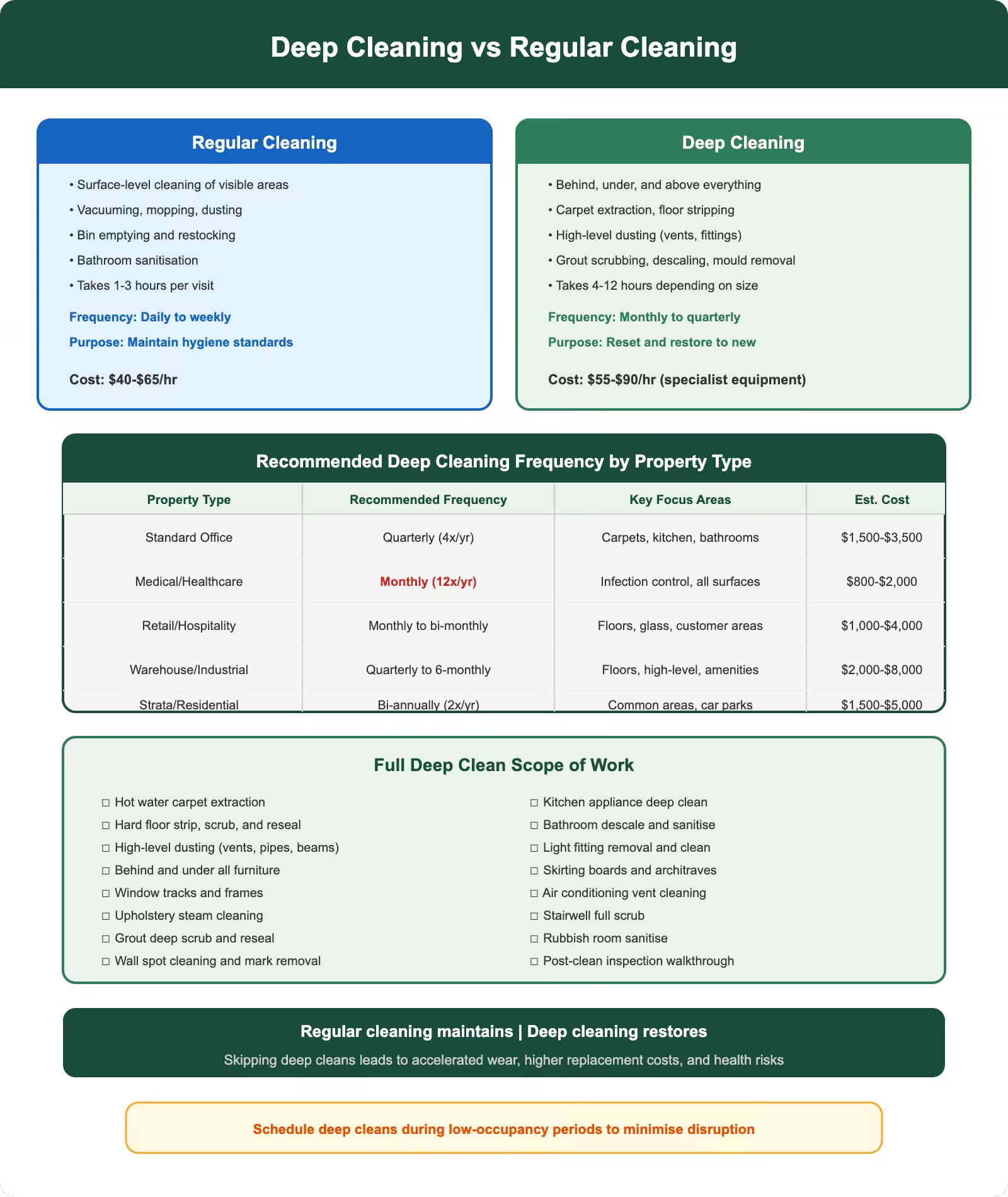
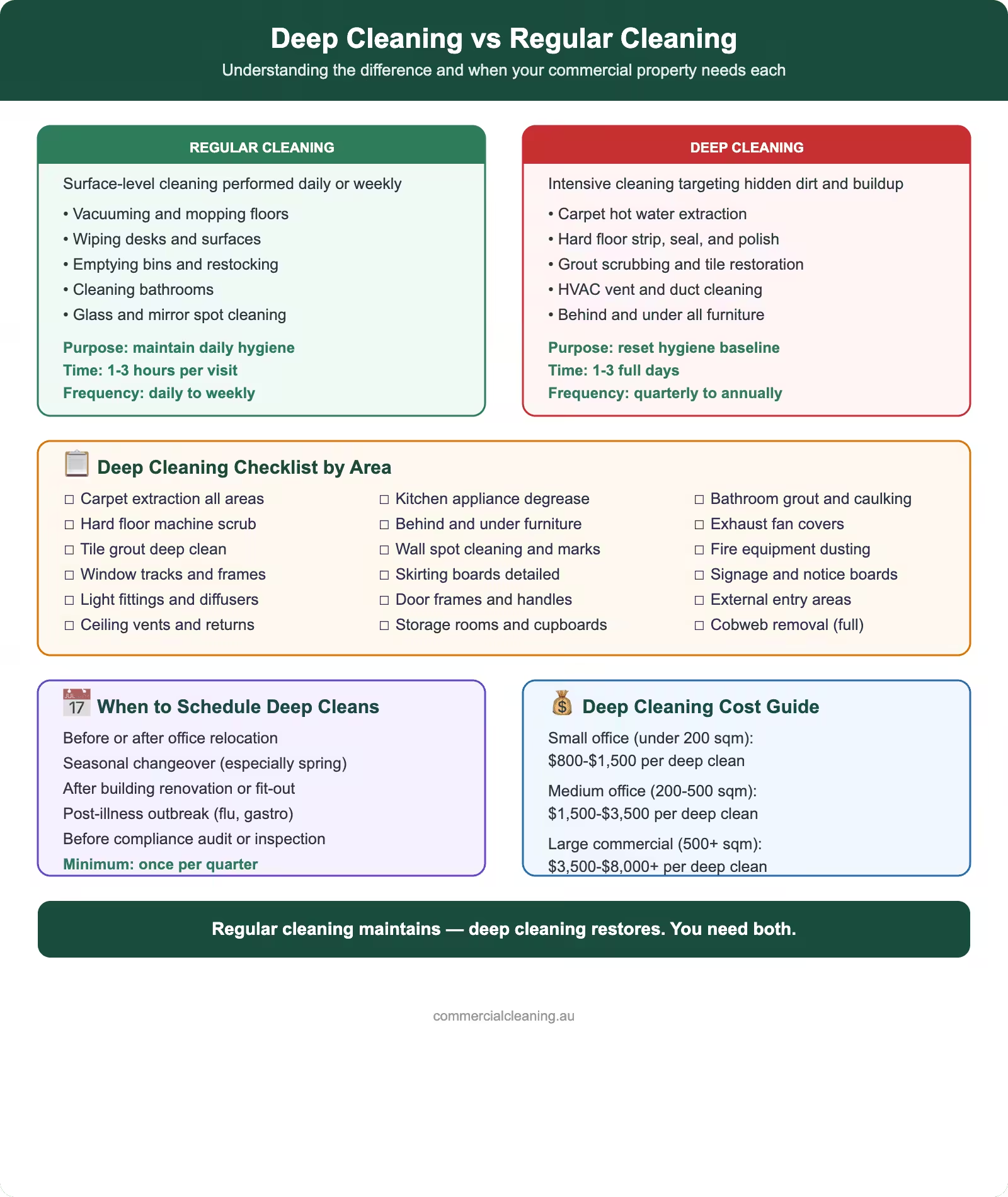
Deep cleaning vs regular cleaning comparison chart with frequency recommendations and scope of work checklistDeep cleaning vs regular cleaning comparison showing checklists, scheduling triggers, and commercial cost guide
What Is Deep Cleaning and How It Differs from Regular Cleaning
Regular cleaning maintains baseline cleanliness: daily vacuuming, desk wiping, bathroom sanitisation, and rubbish removal. Deep cleaning targets areas neglected by daily routines: behind and under furniture, inside appliances, carpet extraction, wall cleaning, and dust removal from fixtures. Regular cleaning is about appearance and hygiene; deep cleaning is about health, longevity of assets, and detecting problems before they become serious.
In our experience managing properties across Sydney, we’ve observed that organisations that combine regular daily cleaning with scheduled deep cleaning every 6-12 weeks maintain measurably better conditions than those relying on daily cleaning alone. Deep cleaning catches problems early (water damage, pest activity, structural issues) and extends the lifespan of building systems and furnishings.
Recommended Deep-Cleaning Frequency
Recommended Deep-Cleaning Frequency involves specific protocols that we tailor to each facility based on its layout, traffic, and compliance requirements. Frequency depends on facility type, usage intensity, and condition. Most commercial offices benefit from deep cleaning every 8-12 weeks. Medical facilities, schools, and high-traffic areas may need more frequent deep cleaning (4-6 weeks). Industrial facilities often require specialist deep cleaning tailored to their specific contamination profile.
We assess each facility’s needs and recommend an appropriate schedule. Quarterly (every 3 months) is a reasonable starting point for typical commercial offices. Some organisations schedule deep cleaning on a regular calendar cycle (first Sunday of each quarter), while others trigger deep cleaning when specific areas show visible need.
Full Deep-Cleaning Checklist
A thorough deep-cleaning programme addresses these areas and tasks:
Download Your Deep Cleaning Checklist (PDF) Use this printable checklist to plan and verify your commercial deep cleaning programme. Download PDF Checklist
Area
Deep-Cleaning Tasks
Frequency Guideline
Notes
Flooring
Carpet: hot-water extraction or professional shampooing. Hard floors: strip and seal or deep strip and recoat as needed. Baseboards: scrub and damp-wipe all surfaces
Quarterly (offices); monthly (high-traffic areas)
Carpet extraction requires specialised equipment. Hard-floor care depends on finish type
Walls and Ceilings
Wipe down all walls (remove scuffs, marks, stains). Dust ceiling surfaces, light fixtures, and air vents. Clean drop ceiling tiles if present
Every 6 months (offices); quarterly (high-traffic)
Wall marks often obscure dust accumulation. Ceilings are frequently overlooked despite collecting significant dust
Furniture Interiors
Furniture that isn’t regularly moved: clean underneath, behind, and inside drawers. Remove accumulated dust from upholstery crevices
Quarterly
Requires moving furniture, which is why it’s not part of daily cleaning
Window and Glass
Clean all windows (interior and exterior if accessible). Wipe window sills and frames. Clean glass partitions on both sides
Quarterly
Clean glass dramatically improves perceived cleanliness and light transmission
HVAC System
Inspect and clean air intake vents and grilles. Change or clean filters. Professional duct inspection and cleaning annually
Filter changes quarterly; duct cleaning annually
Critical for indoor air quality. Often neglected despite significant impact on health and dust control
Light Fixtures and Fittings
Clean inside light covers. Dust bulbs and fixtures. Replace bulbs as needed. Clean any fixtures with dead insects or dust accumulation
Quarterly
Dusty light fixtures reduce lighting effectiveness and look unprofessional
Kitchen Appliances
Deep clean microwave (inside and out). Clean inside oven. Sanitise refrigerator interior and exterior. Degrease stovetop. Clean dishwasher interior
Quarterly
Kitchen contamination is a health priority. Grease buildup can ignite and is a fire hazard
Bathrooms
Grout scrubbing in tile areas. Deep clean toilet interior and exterior. Sanitise tile walls. Clean exhaust vents. Descale faucets and shower heads
Quarterly
Moisture in bathrooms promotes mould growth if not properly managed
High-Touch Surfaces
Door frames (tops of doors accumulate dust). Switch plates (front and back). Handrails. Lift buttons. Shared equipment
Monthly (high-touch focus); quarterly (detailed)
High-touch areas are contamination vectors requiring special attention during illness outbreaks
Carpeted Areas
Spot cleaning of visible stains. Fabric protection treatment if needed. Odour neutralisation if present
As-needed between professional cleanings; quarterly deep clean
Hot-water extraction can extend carpet life significantly
Behind and Under Equipment
Move desks, filing cabinets, and equipment to access areas underneath. Clean accumulated dust and debris. Inspect for water damage or pest activity
Quarterly
These hidden areas accumulate significant dust and reveal structural problems
Waste Bins and Receptacles
Empty and sanitise all waste bins including liners. Wipe down exterior and interior surfaces. Replace damaged bins
Monthly
Waste bins are breeding grounds for bacteria and odour if not regularly sanitised
Preparation and Post-Cleaning Verification
Effective deep cleaning requires preparation. Staff should be notified in advance so they can clear personal items and files from desks. Heavy furniture should be moved (or designated staff should move it) to allow access to cleaned areas. The building should be secured to prevent disruption from unauthorised access during the cleaning process.
Post-cleaning verification is equally important. Our team completes deep cleaning with a quality checklist: walked inspection of all areas, ATP testing of high-touch surfaces, photographic documentation of key areas, and delivery of quality reports to building management. This verification ensures that the work met contracted standards and provides documented evidence suitable for insurance or regulatory purposes.
Specialty Services Included in Deep Cleaning
Thorough deep cleaning may include specialty services depending on facility needs:
Carpet extraction: professional hot-water extraction removes embedded soil and contaminants
Tile and grout cleaning: specialised equipment cleans grout lines and tile surfaces
Upholstery cleaning: extracts dust, stains, and contaminants from office chairs and soft furnishings
Hard-floor refinishing: strip, clean, and recoat waxed or sealed hard floors to restore shine and protection
HVAC duct cleaning: professional duct cleaning improves air quality significantly
Wall washing: removes scuffs, marks, and stains from painted or textured walls
We quote these services separately from standard deep cleaning and discuss with clients which are appropriate for their facilities.
Timing and Scheduling Deep Cleaning
Scheduling deep cleaning requires careful planning. For offices, evening or weekend deep cleaning minimises disruption to operations. We typically recommend scheduling deep cleaning on Friday evening, overnight, or early Saturday morning so the facility is fresh when staff arrive Monday. This timing works best for organisations with standard weekday operations.
For facilities with extended operations (shifts beyond 5:00 pm), scheduling requires coordination with building management. Some organisations conduct deep cleaning during quiet periods (overnight) or during scheduled facility closures (holidays, maintenance windows).
Cost Factors and Budgeting for Deep Cleaning
Deep cleaning costs vary based on facility size, condition, specialised services required, and frequency. A 1,000 square-metre office might cost $800-1,500 for quarterly deep cleaning, depending on condition and what’s included. Facilities in poor condition or those requiring specialty services (carpet extraction, duct cleaning) cost more.
We recommend budgeting for deep cleaning as a separate line item from regular daily cleaning. Monthly cost for quarterly deep cleaning is typically 15-25% of regular cleaning costs. Most organisations find this investment required because deep cleaning extends the lifespan of building systems and furnishings, reduces long-term maintenance costs, and maintains professional standards.
WHS Compliance and Documentation
Deep cleaning should be documented for WHS Act 2011 compliance. Records should include: date of service, areas cleaned, chemicals used, staff performing the work, and any issues identified (water damage, pest activity, maintenance problems). This documentation demonstrates that the facility is maintained to safe standards and provides evidence useful for insurance claims or regulatory inspections.
We provide detailed reports for every deep cleaning engagement showing what was completed, photographic documentation, and any recommendations for follow-up maintenance.
Seasonal Deep-Cleaning Considerations
Different seasons create different deep-cleaning challenges. Winter typically brings higher dust loads from heating systems and potential moisture issues. Spring is an ideal time for carpet extraction and HVAC cleaning before summer cooling season. Autumn often sees accumulated debris from exterior areas. We recommend reviewing deep-cleaning schedules seasonally and adjusting frequency if needed based on observed conditions.
Frequently Asked Questions
How often should commercial properties have deep cleaning?
Most commercial offices benefit from quarterly (every 3 months) deep cleaning. High-traffic facilities (schools, medical centres, industrial sites) may need monthly deep cleaning. Low-traffic professional offices might extend to every 6 months. Assess based on facility condition and usage, and adjust schedule as needed. We recommend starting with quarterly and modifying based on results.
What’s the difference between regular cleaning and deep cleaning?
Regular cleaning maintains baseline standards: daily vacuuming, desk wiping, bathroom sanitisation, and trash removal. Deep cleaning targets neglected areas: carpet extraction, window cleaning, areas behind and under furniture, HVAC maintenance, wall cleaning, and fixture cleaning. Regular cleaning addresses appearance; deep cleaning addresses health, longevity, and hidden problems.
How much does deep cleaning cost for commercial properties?
Costs vary based on facility size, condition, and services required. A 1,000 square-metre office might cost $800-1,500 per deep clean. Budget 15-25% of regular cleaning costs monthly to cover quarterly deep cleaning. Additional services (carpet extraction, duct cleaning, hard-floor refinishing) cost extra. We provide quotes based on your specific facility assessment.
What areas are most commonly missed in regular cleaning?
Behind and under furniture, ceiling surfaces, light fixtures, air vents and HVAC components, tops of door frames, inside kitchen appliances, bathroom grout and tile walls, window sills and frames, and areas under desks. These areas accumulate significant dust and contaminants but require moving furniture or accessing spaces that daily cleaning can’t easily reach.
Should deep cleaning be scheduled during business hours or outside them?
Deep cleaning is best scheduled outside business hours to minimise disruption. Evening (after 5:30 pm) or early morning (before 6:00 am) works for most offices. Overnight deep cleaning or weekend scheduling is ideal for busy facilities. Coordinate with building management to access areas requiring deep cleaning without interfering with normal operations.
Deep cleaning transforms workplace conditions, extends asset lifespan, and maintains professional standards that daily cleaning alone cannot achieve. If your Sydney commercial property hasn’t had deep cleaning in several months, or if you’re concerned about areas that regular cleaning never addresses, our team can conduct a facility assessment and recommend an appropriate deep-cleaning schedule. For more information about how high-touch surface cleaning integrates with complete facility maintenance, see our guide on high-touch surface cleaning frequency.
About Clean Group
Clean Group is a leading commercial cleaning company in Sydney, serving offices, strata properties, medical centres, schools, and industrial facilities across the greater Sydney region. With over 25 years of experience and a team of fully trained, insured cleaners, we deliver consistent results backed by a 100% satisfaction guarantee. Our services are tailored to your schedule, your budget, and your industry’s compliance requirements.
Hi, I'm Suji Siv, the founder, CEO, and Managing Director of Clean Group, bringing over 25 years of leadership and management experience to the company. As the driving force behind Clean Group’s growth, I oversee strategic planning, resource allocation, and operational excellence across all departments. I am deeply involved in team development and performance optimization through regular reviews and hands-on leadership.