Biohazard Cleanup Procedures for Workplaces
Biohazard contamination in workplaces represents one of the most severe health and safety challenges a facility can face. Whether from bloodborne pathogens, body fluid spills, chemical contamination, or other hazardous materials, improper cleanup exposes employees to serious infection risk and creates legal liability under the Work Health and Safety Act 2011. Our office cleaning company provides specialised biohazard cleanup aligned with Australian standards and regulatory requirements, ensuring your workplace is restored to safe operating condition with full compliance documentation.
For more insights, see our guide on flood damage restoration cleaning.
What Constitutes a Biohazard in the Workplace?
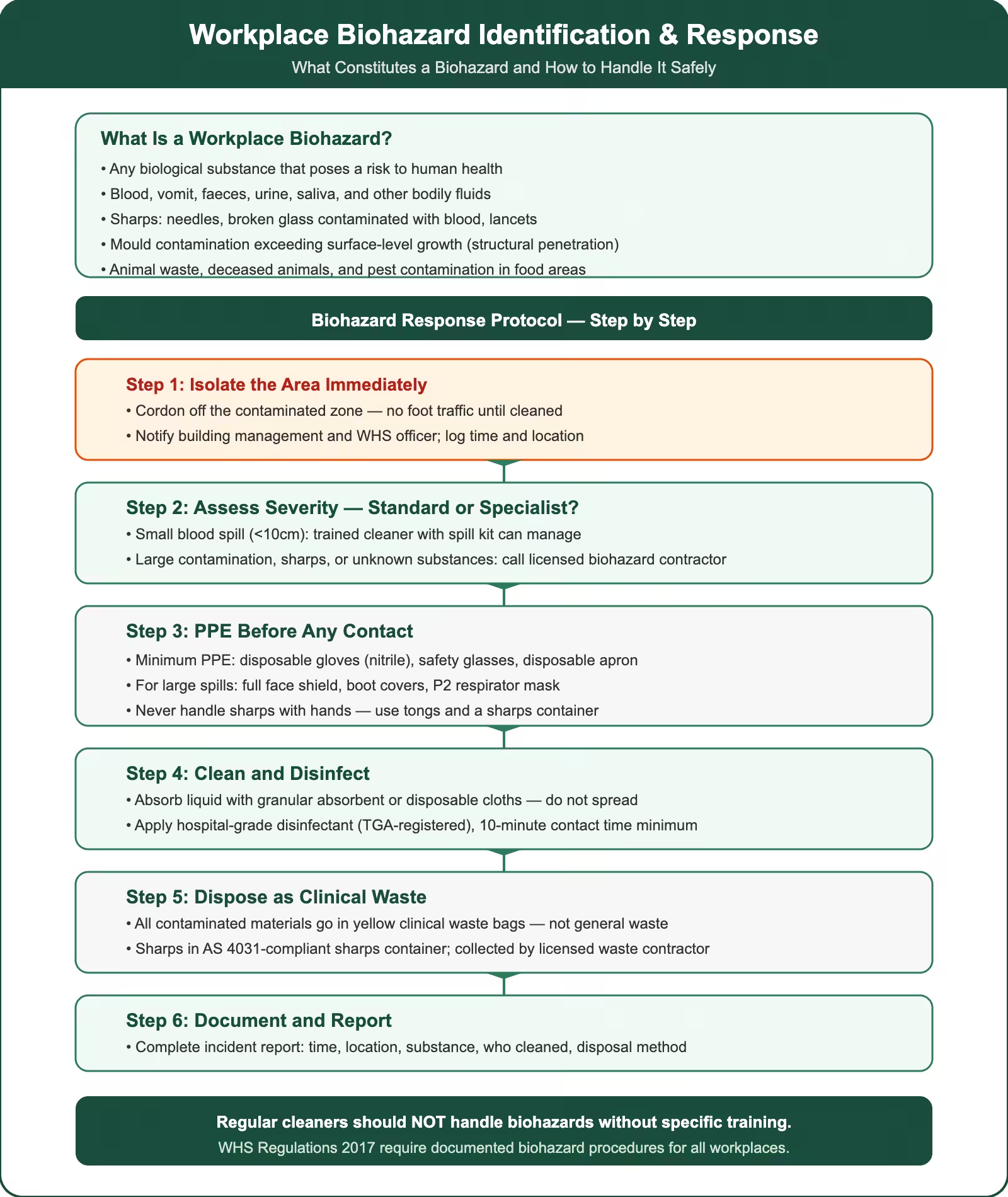
What Constitutes a Biohazard in the Workplace? covers specific protocols that we tailor to each facility based on its layout, traffic, and compliance requirements. Biohazards encompass any biological material or chemical substance posing infection or toxicity risk. In our experience managing incidents across Sydney workplaces, common biohazards include:
- Bloodborne pathogens: Blood and blood-containing body fluids that may carry pathogens such as hepatitis B, hepatitis C, and HIV
- Body fluids: Saliva, vomit, urine, faeces, and other human secretions
- Tissue and bodily remains: From accidents, medical emergencies, or deaths occurring on-site
- Chemical spills: Hazardous substances used in industrial or laboratory settings
- Microbial contamination: Mould, bacterial colonies, or fungal growth in enclosed spaces
- Sharps: Needles, broken glass, or contaminated surgical instruments
Any biohazard exposure requires immediate professional cleanup. Attempting DIY decontamination risks exposure to serious infections and violates WHS Act 2011 requirements.
Regulatory Requirements: AS/NZS 3816 and WHS Compliance
Biohazard cleanup in Australia is governed by AS/NZS 3816:2010 (Management of potential infection in the health-care environment and laboratory), a thorough standard outlining decontamination procedures, segregation of contaminated materials, personal protective equipment (PPE) requirements, and documentation protocols. Whilst this standard was originally developed for healthcare settings, its principles apply to any workplace where biohazard exposure occurs.
The Work Health and Safety Act 2011 (Commonwealth) and corresponding NSW legislation impose absolute duties on employers to prevent employee exposure to hazardous biological materials. SafeWork NSW explicitly requires that:
- Biohazard areas are promptly secured and access restricted
- Cleanup is performed by trained personnel using appropriate PPE
- Decontamination follows standardised protocols eliminating pathogenic organisms
- Contaminated materials are segregated and disposed of as biomedical waste
- Full documentation is maintained and made available for audit
Our team is certified in AS/NZS 3816 compliance and maintains detailed records demonstrating adherence to every requirement. We’ve managed incidents across Greater Sydney—from CBD offices to facilities in the Southern Highlands—and consistently provided documentation satisfying regulatory scrutiny.
Personal Protective Equipment (PPE) Requirements
Personal Protective Equipment (PPE) Requirements requires specific protocols that we tailor to each facility based on its layout, traffic, and compliance requirements. Correct PPE is non-negotiable during biohazard cleanup. Inadequate protection exposes technicians to serious bloodborne infections. Our personnel use:
- Respiratory protection: P2 or FFP2 masks (minimum), upgraded to full-face respirators for aerosolised hazards
- Eye protection: Sealed safety goggles or face shields preventing splashing to mucous membranes
- Hand protection: Double-gloving—inner nitrile gloves for dexterity, outer latex for barrier integrity
- Body protection: Fluid-resistant coveralls (Category 3) covering all skin surfaces
- Foot protection: Waterproof, slip-resistant boots with sealed legs
- Sharps handling: Cut-resistant gloves for environments with broken glass or needles
We maintain an inventory of PPE sizes and styles, ensuring all team members are properly equipped for every incident. PPE is disposed of as biomedical waste—never re-used or cross-contaminated across jobs.
Our Biohazard Cleanup Process: Step-by-Step
We follow a systematic, documented protocol for all biohazard cleanup:
- Assessment and hazard identification: Arriving immediately to assess contamination extent, identify secondary hazards (sharps, chemical residues), and establish containment zones
- Area isolation: Cordoning and securing affected zones to prevent employee access, using warning signage and, if necessary, physical barriers
- Initial removal of contaminated items: Carefully removing and segregating grossly contaminated materials (furniture, carpeting, soft furnishings) for biomedical waste processing
- Pre-cleaning: Removing organic material (clots, tissue, fluids) using appropriate methods before disinfection can be effective
- Disinfection: Applying TGA-registered disinfectants with appropriate contact times (typically 10+ minutes for virucidal activity) to all contaminated hard surfaces
- Deodorisation: Neutralising persistent odours using enzymatic treatments (not just masking with air fresheners)
- Final verification: Re-inspecting treated areas using cleaning standards and checking for completeness
- Biomedical waste disposal: Segregating all contaminated materials into appropriate waste streams (red bin for body fluids, yellow for infectious substances, sharps containers for needles/glass) and co-ordinating licensed disposal
- Documentation: Photographing before/after states, recording all materials removed, products applied, contact times, and disposal confirmations
The entire process typically requires 2-8 hours depending on contamination extent. We work efficiently without rushing, ensuring complete decontamination against all pathogens outlined in AS/NZS 3816.
Response Time and Availability
Response Time and Availability addresses specific protocols that we tailor to each facility based on its layout, traffic, and compliance requirements. Biohazard incidents require rapid response. Delayed cleanup risks pathogenic organisms spreading through ventilation systems, secondary contamination, and psychological trauma for employees. We maintain 24/7 emergency response availability across Greater Sydney, from the far North Shore to Cronulla and west to Penrith and the Nepean region. Our target response is 1-2 hours for confirmed biohazard incidents, with teams equipped and ready to commence cleanup immediately upon arrival.
Types of Biohazard Incidents We Handle
Types of Biohazard Incidents We Handle targets specific protocols that we tailor to each facility based on its layout, traffic, and compliance requirements. Our expertise spans diverse incident types:
| Incident Type | Hazard Category | Key Cleanup Considerations |
|---|---|---|
| Workplace accident (trauma) | Blood, tissue, body fluids | Rapid pathogen elimination, psychological support resources for witnesses |
| Unattended death | Bodily fluids, decomposition products, biogenic gases | Extended decontamination, odour remediation, biohazard waste protocols |
| Chemical spill (industrial/lab) | Toxic substances, corrosives, solvents | Hazmat assessment, ventilation protocols, material compatibility |
| Sharps exposure incident | Bloodborne pathogens via needles/glass | Containment of fragmented materials, exposure risk assessment |
| Bodily fluid spill (illness/incontinence) | Bacteria, viruses, parasites | Disinfection without material damage, expedited restoration |
| Mould/microbial contamination | Fungal spores, bacterial colonies | Moisture remediation, HVAC decontamination, preventive measures |
Each incident type demands tailored protocols. We assess the specific hazard, determine appropriate disinfection strategies, and coordinate any necessary follow-up (e.g., post-incident medical screening for exposed employees).
Chemical Spill Cleanup and Hazmat Protocols
Chemical spills in workplaces demand specialised expertise. We handle spills ranging from minor solvent leaks to major industrial releases. Our process includes:
- Hazardous substance identification: Reviewing safety data sheets and incident reports to understand chemical properties, toxicity, and appropriate neutralisation methods
- Containment: Isolating spills to prevent spreading and secondary environmental contamination
- Neutralisation and absorption: Using chemically appropriate absorbents and neutralising agents specific to the spilled substance
- Air monitoring: Testing for vapour hazards and ensuring adequate ventilation before and after cleanup
- Specialist waste disposal: Coordinating licensed hazardous waste contractors for contaminated materials
We maintain current certifications in hazardous substance handling and collaborate with specialist contractors when incidents exceed our in-house scope. Safety is top priority—we never compromise cleanup quality to save time or cost.
Biomedical Waste Disposal and Segregation
Proper segregation and disposal of contaminated materials is as critical as the decontamination itself. We segregate biomedical waste into categories aligned with NSW environmental protection legislation:
- Red bin (body substances): Items contaminated with blood or body fluids
- Yellow bin (pathological waste): Human tissues, organs, or other pathological specimens
- Sharps containers: Needles, broken glass, or other sharp contaminated items
- General waste: Materials not contaminated but associated with the cleanup
We hold contracted relationships with licensed biomedical waste disposal facilities across NSW. All contaminated materials are traced from pickup through final disposal, with documentation provided for audit compliance. This segregation prevents cross-contamination and ensures proper incineration or treatment of hazardous materials.
Employee Support and Trauma Informed Cleanup
Workplace biohazard incidents create psychological trauma for witnesses and affected employees. Beyond technical cleanup, we provide trauma-informed service that minimises additional distress:
- Discretion and professionalism—we work quietly without drawing attention
- Coordination with management to minimise disruption to unaffected areas
- Provision of employee assistance programme contacts and mental health resources
- Clear communication about restoration timelines and facility reopening
We understand that employees who witness incidents require compassionate handling. Our team is trained in trauma-informed service delivery—we’re not just cleaners, we’re part of your organisation’s broader support response.
Documentation and Compliance Evidence
Documentation and Compliance Evidence requires specific protocols that we tailor to each facility based on its layout, traffic, and compliance requirements. Complete documentation protects your organisation in regulatory audits and potential litigation. We provide:
- Incident response photograph sets: Before, during, and after images showing contamination and decontamination
- Detailed cleanup reports: Describing contamination location, extent, removal procedures, and products applied
- Material disposal confirmations: Tracking contaminated items from collection through licensed disposal facilities
- Disinfectant product certifications: Demonstrating TGA registration and AS/NZS 3816 compliance of products used
- Staff certification evidence: Proof that cleanup personnel hold current qualifications in biohazard handling
- Timeline documentation: Timestamped records from incident notification through cleanup completion
This documentation demonstrates your organisation’s due diligence under WHS Act 2011 requirements. SafeWork NSW and health authorities reviewing your incident response will find full evidence of appropriate handling.
Prevention and Risk Reduction Strategies
Prevention and Risk Reduction Strategies includes specific protocols that we tailor to each facility based on its layout, traffic, and compliance requirements. Whilst we provide expert cleanup response, our primary goal is helping workplaces prevent biohazard incidents. We recommend:
- Risk assessments: Identifying workplace locations and activities with elevated biohazard exposure risk
- First aid station setup: Equipping facilities with bloodborne pathogen kits enabling immediate containment
- Staff training: Educating employees on recognising biohazards, reporting procedures, and basic containment measures
- Incident response planning: Establishing documented procedures for notification, area isolation, and professional cleanup coordination
- Regular audits: Periodically reviewing workplace conditions for dormant contamination risks
A workplace that has planned for biohazard response will handle incidents far more effectively than unprepared facilities. We can assist with training and planning as part of detailed occupational health services.
Cost Considerations and Insurance
Cost Considerations and Insurance addresses specific protocols that we tailor to each facility based on its layout, traffic, and compliance requirements. Biohazard cleanup costs vary significantly based on contamination extent and incident type. Typical costs range from £1,500–£8,000+ for single-location incidents, rising substantially for major trauma or unattended death scenarios. Most commercial general liability and workers compensation policies provide coverage for professional biohazard cleanup—verify your coverage before an incident occurs so you know costs are covered.
We provide transparent quotations before commencing work and can facilitate direct billing to your insurance carrier, simplifying administration during already stressful circumstances.
Rapid Response and Emergency Coordination
Rapid Response and Emergency Coordination targets specific protocols that we tailor to each facility based on its layout, traffic, and compliance requirements. If a biohazard incident occurs at your workplace, immediate action is critical. Contact Clean Group’s emergency line. We’ll dispatch a trained assessment team within 1-2 hours to evaluate the situation, secure the area, and begin cleanup operations. Our team co-ordinates with emergency services, your management, occupational health providers, and waste disposal contractors—you focus on employee welfare whilst we handle decontamination.
We serve Greater Sydney 24/7 with zero delays. When you call, experienced professionals answer—not answering services or back-office staff. We mobilise immediately and arrive equipped for every potential scenario.
Complementary Services and Integrated Cleanup
Biohazard cleanup often requires complementary services—specialised disinfection, air duct decontamination, or ongoing facility monitoring. Once biohazard cleanup is complete, we can implement thorough air duct cleaning to confirm HVAC systems haven’t become contaminated pathways for persistent hazards. This integrated approach ensures complete facility restoration.
FAQ
Can my standard cleaning staff clean up a biohazard?
No. Biohazard cleanup requires specialised training, appropriate PPE, knowledge of pathogens and disinfection, and access to biomedical waste disposal. Standard cleaners lack these resources and exposing them to biohazards violates WHS Act 2011 duties. Professional cleanup is both legally required and ethically necessary.
How quickly do you respond to biohazard incidents?
We provide 24/7 emergency response with 1-2 hour availability across Greater Sydney. When you contact our emergency line, a trained assessment team is dispatched immediately. For confirmed biohazard incidents, cleanup typically commences within 2-3 hours of initial notification.
Will cleanup affect my workers compensation insurance?
Professional biohazard cleanup generally doesn’t trigger insurance complications. Instead, it demonstrates due diligence and proper incident response. Verify your policy coverage before an incident occurs. Most policies provide cleanup coverage. We can work directly with your insurance carrier if required.
What happens to contaminated materials after cleanup?
Contaminated materials are segregated into biomedical waste categories (red, yellow, sharps) and transported to licensed disposal facilities where they’re incinerated or treated according to NSW environmental regulations. We provide complete tracking documentation from collection through disposal confirmation.
Is biohazard cleanup covered by standard commercial cleaning contracts?
Typically no—biohazard cleanup requires specialised service separate from regular office cleaning. However, we can negotiate integrated contracts combining routine disinfection protocols with emergency biohazard response availability. This bundled approach provides both ongoing protection and rapid incident response capability.
About Clean Group
Clean Group is a leading commercial cleaning company in Sydney, serving offices, strata properties, medical centres, schools, and industrial facilities across the greater Sydney region. With over 25 years of experience and a team of fully trained, insured cleaners, we deliver consistent results backed by a 100% satisfaction guarantee. Our services are tailored to your schedule, your budget, and your industry’s compliance requirements.
About the Author

Suji Siv
/

Hi, I'm Suji Siv, the founder, CEO, and Managing Director of Clean Group, bringing over 25 years of leadership and management experience to the company. As the driving force behind Clean Group’s growth, I oversee strategic planning, resource allocation, and operational excellence across all departments. I am deeply involved in team development and performance optimization through regular reviews and hands-on leadership.
Read More About Suji 0291607469
 Get A Quote