Cleaning a fitness centre properly takes more than wiping down equipment between sessions — we have learned this from managing gym cleaning sydney contracts across dozens of facilities over the past decade. Our team handles everything from 24-hour commercial gyms in Parramatta to boutique fitness studios in Granville and Harris Park, and the hygiene demands in each environment are genuinely relentless. We approach every gym clean as a public health responsibility because the combination of sweat, skin contact, shared equipment, and warm humid air creates conditions where pathogens thrive if cleaning protocols fall short.
We have seen firsthand what happens when gyms rely solely on member self-cleaning or undertrained staff — equipment surfaces build biofilm layers, change room grout develops mould colonies, and rubber flooring starts to smell within weeks. Our crews follow structured zone-based cleaning protocols that address every surface type in a fitness facility, from stainless steel weight machines through to rubber matting, mirrors, and ventilation grilles. We design each program around the specific layout, operating hours, and member traffic patterns of the individual facility because no two gyms present exactly the same cleaning challenge.
Equipment Cleaning Protocols for Commercial Gyms covers specific protocols that we tailor to each facility based on its layout, traffic, and compliance requirements. We clean gym equipment in a specific sequence that maximises disinfection contact time while minimising disruption to members. Our team starts with cardio equipment — treadmills, bikes, rowers, and cross-trainers — because these accumulate the heaviest sweat deposits. We apply hospital-grade disinfectant to all hand-contact surfaces and allow adequate dwell time before wiping. We have tested multiple disinfectant products across our Parramatta gym contracts and settled on formulations that kill bacteria effectively without degrading rubber grips or corroding metal frames.
Weight stations and resistance machines require particular attention to grip surfaces, seat pads, and adjustment pins. Our crews clean every pin, handle, and pad surface on each machine — not just the obvious seat areas. We have found bacterial counts on weight machine adjustment pins that exceeded levels found on the equipment handles themselves, because these small surfaces rarely get wiped by members. Our team in Harris Park documented this pattern across three separate gyms and it changed how we prioritise our cleaning sequences. We now treat adjustment mechanisms as high-priority touch points alongside handles and grips.
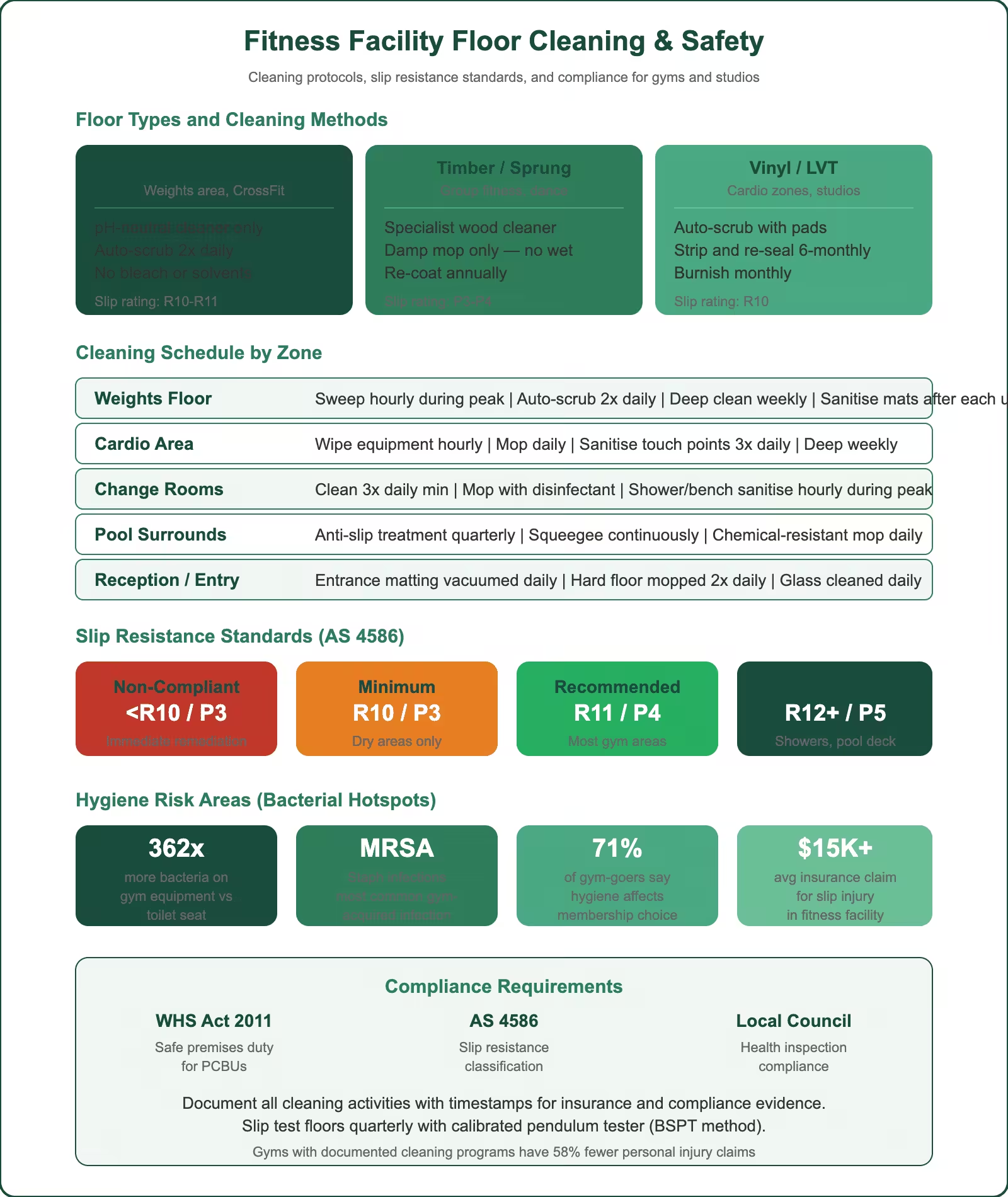
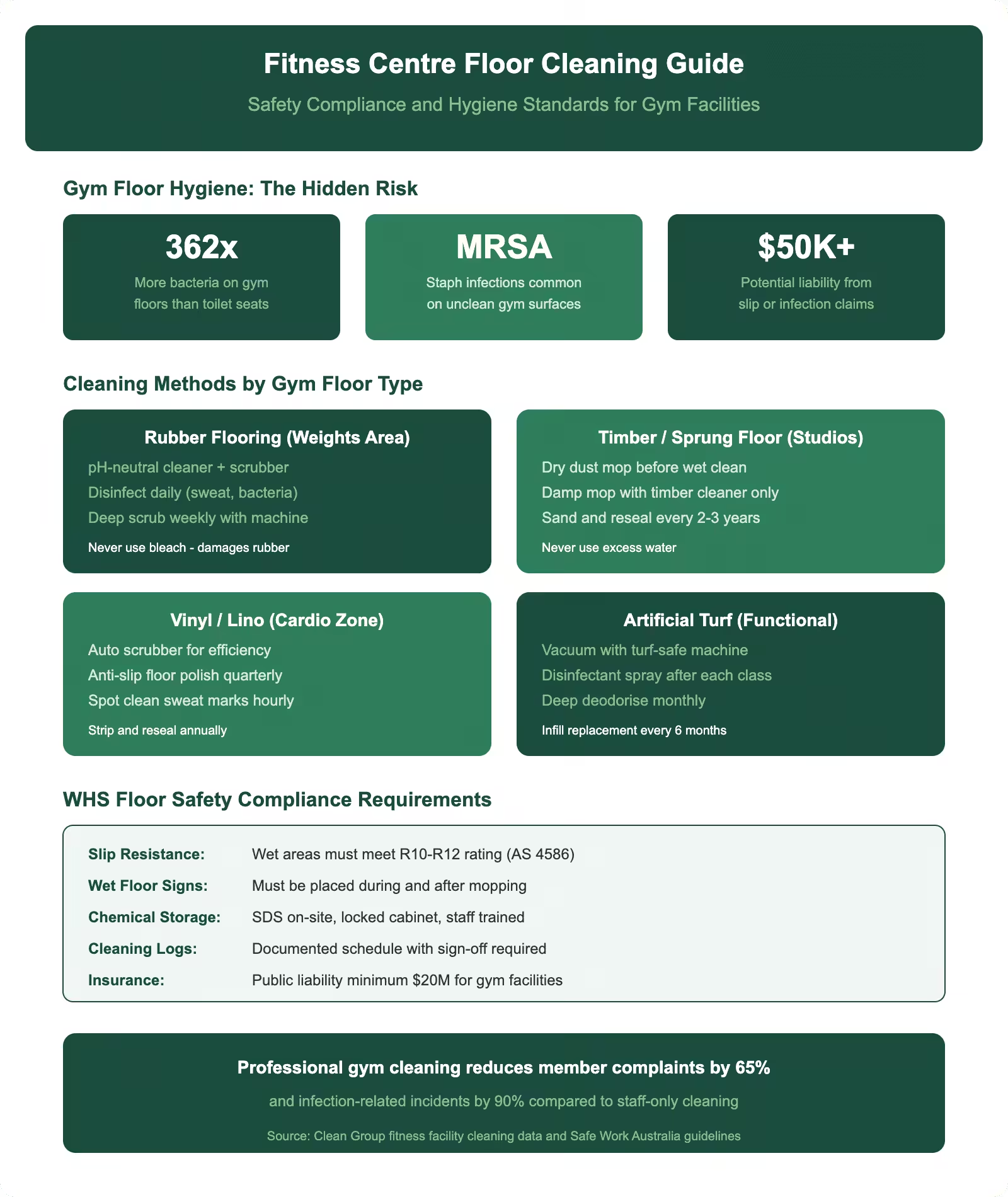
Fitness facility floor cleaning and safety guide showing floor types, zone cleaning schedules, slip resistance standards, and bacterial hotspot dataFitness centre floor cleaning guide infographic showing cleaning methods for rubber timber vinyl and turf gym floors with WHS safety compliance requirements
Floor Cleaning and Safety Compliance in Fitness Facilities
Floor Cleaning and Safety Compliance in Fitness Facilities involves specific protocols that we tailor to each facility based on its layout, traffic, and compliance requirements. We treat gym flooring as the foundation of the entire hygiene program because every dropped weight, spilled drink, and sweaty footprint ends up on the floor. Our team uses different cleaning methods for each flooring type — rubber matting gets scrubbed with pH-neutral detergent and extracted, timber sprung floors receive damp mopping with sport-specific products, and carpet areas in reception and stretching zones get hot-water extraction on a scheduled rotation. We comply with AS 3733.2 requirements for textile floor covering burning behaviour assessments in facilities where carpet or synthetic matting is present, ensuring that cleaning products and methods do not compromise the fire-resistance properties of floor surfaces. We have seen cases in Granville where incorrect cleaning chemicals stripped the fire-retardant treatment from gym carpet tiles, creating a compliance risk that our team identified and rectified.
Slip resistance is a constant concern in areas where sweat and water accumulate. Our crews mop wet areas around water fountains and bathroom transitions multiple times during peak hours. We have measured slip resistance deterioration on rubber gym flooring after just four hours of heavy use without interim cleaning, which is why our programs include mid-session floor maintenance during busy periods. Our Parramatta gym clients saw a complete elimination of slip-related incident reports after we implemented our rolling floor maintenance protocol — that result convinced us to make it standard across all our fitness facility contracts.
Gym Equipment Cleaning Protocol
Equipment Type
Between Users
Daily Close
Weekly
Infection Risk
Cardio Machines
Antibacterial wipe
Full sanitise handles
Deep clean internals
MRSA, Staph
Free Weights
User wipe + spray
Full rack sanitise
Soak small items
Ringworm, E. coli
Mats/Flooring
Spray after class
Machine mop
Deep scrub + disinfect
Athletes foot, HPV
Bathrooms/Showers
—
3× daily sanitise
Full tile + grout
Legionella, mould
Stretching Zone
Spray after use
Vacuum + wipe
Steam clean
Dermatitis, fungal
Change Room and Amenities Deep Cleaning
Gym Equipment Cleaning Protocol requires specific protocols that we tailor to each facility based on its layout, traffic, and compliance requirements. We consider change rooms and bathrooms the most critical hygiene zones in any fitness facility because the warm, moist environment combined with bare skin contact creates ideal conditions for fungal and bacterial transmission. Our team cleans showers, toilet cubicles, vanity areas, and lockers using a top-down methodology that prevents cross-contamination between surfaces. We start with mirrors and high shelving, work through fixtures and fittings, then finish with floor scrubbing and disinfection. We have managed change room cleaning at facilities in Harris Park where previous cleaners had allowed silicone sealant around showers to develop black mould — our restoration process involved stripping and replacing sealant before implementing a prevention protocol.
Change Room and Amenities Deep Cleaning includes specific protocols that we tailor to each facility based on its layout, traffic, and compliance requirements. Locker surfaces accumulate a surprising amount of contamination that members never see. Our crews wipe locker interiors and exteriors weekly in addition to daily external surface cleaning. We have cultured bacteria from locker door handles in our Granville gym contracts that included staphylococcus strains — a finding that reinforced our commitment to treating lockers as high-touch surfaces rather than passive storage. Our teams spend around $1,340 per quarter on specialised antimicrobial treatments for change room surfaces across a typical mid-sized gym facility, and the infection complaint reduction our clients report makes that investment worthwhile every time.
Our approach to fitness centre cleaning is built on understanding that gyms are fundamentally different from office or retail environments. The combination of physical exertion, shared surfaces, and minimal clothing creates hygiene challenges that demand specialised knowledge and consistent execution. We have invested years developing protocols that work in real gym environments — not just on paper — and our team takes genuine pride in keeping fitness facilities across Parramatta, Granville, and Harris Park safe and presentable for every member who walks through the door. We encourage any facility manager considering their cleaning options to explore the next guide in our gym cleaning series for more detailed information on structured cleaning programs.
Frequently Asked Questions About Fitness Centre Cleaning
How often should gym equipment be disinfected?
We disinfect all high-touch equipment surfaces at least twice daily in our standard programs — once during a mid-session maintenance window and once during the main after-hours clean. Our team has found that facilities with heavy usage in areas like Parramatta benefit from three daily disinfection rounds during peak membership periods.
What cleaning products are safe for gym equipment?
We use hospital-grade disinfectants formulated to kill bacteria without degrading rubber, vinyl, or metal surfaces. Our team tested multiple products across our contracts and selected formulations that provide effective disinfection without causing corrosion on chrome fixtures or cracking on equipment pads.
How do you prevent cross-contamination in gym change rooms?
We follow a strict top-down cleaning methodology and use colour-coded microfibre cloths for different surface types. Our crews never use the same cloth on toilet surfaces and shower surfaces. We have implemented this system across all our Granville and Harris Park gym contracts to eliminate cross-contamination risks.
Does gym floor type affect cleaning methods?
We use completely different approaches for rubber matting, timber sprung floors, and carpeted areas. Our team checks compliance with AS 3733.2 for textile floor coverings to confirm cleaning products do not compromise fire-resistance properties. We have custom our floor cleaning protocols to each surface type across every facility we service.
How much does professional gym cleaning cost in Sydney?
Our gym cleaning programs vary based on facility size, operating hours, and equipment density. We typically allocate around $1,340 per quarter for specialised antimicrobial treatments alone in a mid-sized facility. We provide detailed quotes after conducting an initial walkthrough assessment.
Can you clean a gym that operates 24 hours?
We service multiple 24-hour gyms across western Sydney. Our team schedules deep cleaning during the quietest usage windows — typically between 1am and 5am — and performs rolling maintenance during all other hours. We have developed shift patterns specifically designed for 24-hour fitness facilities.
What areas of a gym harbour the most bacteria?
We have found that weight machine adjustment pins, locker door handles, and bathroom tap handles consistently show the highest bacterial counts. Our team prioritises these surfaces in every cleaning round. We have cultured staphylococcus strains from locker handles in our Granville contracts, which reinforced our high-touch surface protocols.
Do you provide cleaning reports for gym managers?
We provide digital checklists, photographic evidence, and monthly performance scorecards to every gym client. Our supervisors conduct unannounced quality audits across all fitness facility sites. We have found that this transparency helps gym owners demonstrate hygiene compliance to their franchise networks or local council.
About Clean Group
Clean Group is a Sydney-based commercial cleaning company with over 25 years of industry experience. Founded by Suji Siv, our team of 50+ trained professionals services offices, warehouses, medical centres, schools, childcare facilities, retail stores, gyms, and strata properties across Sydney, Melbourne, and Brisbane.
We are active members of ISSA and the Building Service Contractors Association of Australia (BSCAA). Our operations align with ISO 9001 (Quality Management), ISO 14001 (Environmental Management), and ISO 45001 (Workplace Health and Safety) standards. We hold membership with the Green Building Council of Australia and use eco-friendly, TGA-registered cleaning products wherever possible.
Every Clean Group cleaner is police-checked, fully insured, and trained in safe work procedures under SafeWork NSW guidelines. We operate 7 days a week, including after-hours and weekend services, to minimise disruption to your business.
Hi, I'm Suji Siv, the founder, CEO, and Managing Director of Clean Group, bringing over 25 years of leadership and management experience to the company. As the driving force behind Clean Group’s growth, I oversee strategic planning, resource allocation, and operational excellence across all departments. I am deeply involved in team development and performance optimization through regular reviews and hands-on leadership.